
Fiddlehead fern
Young coiled fern fronds eaten as a seasonal vegetable. Overview of identification, culinary uses, preparation and safety, cultural importance, and sustainable harvesting.
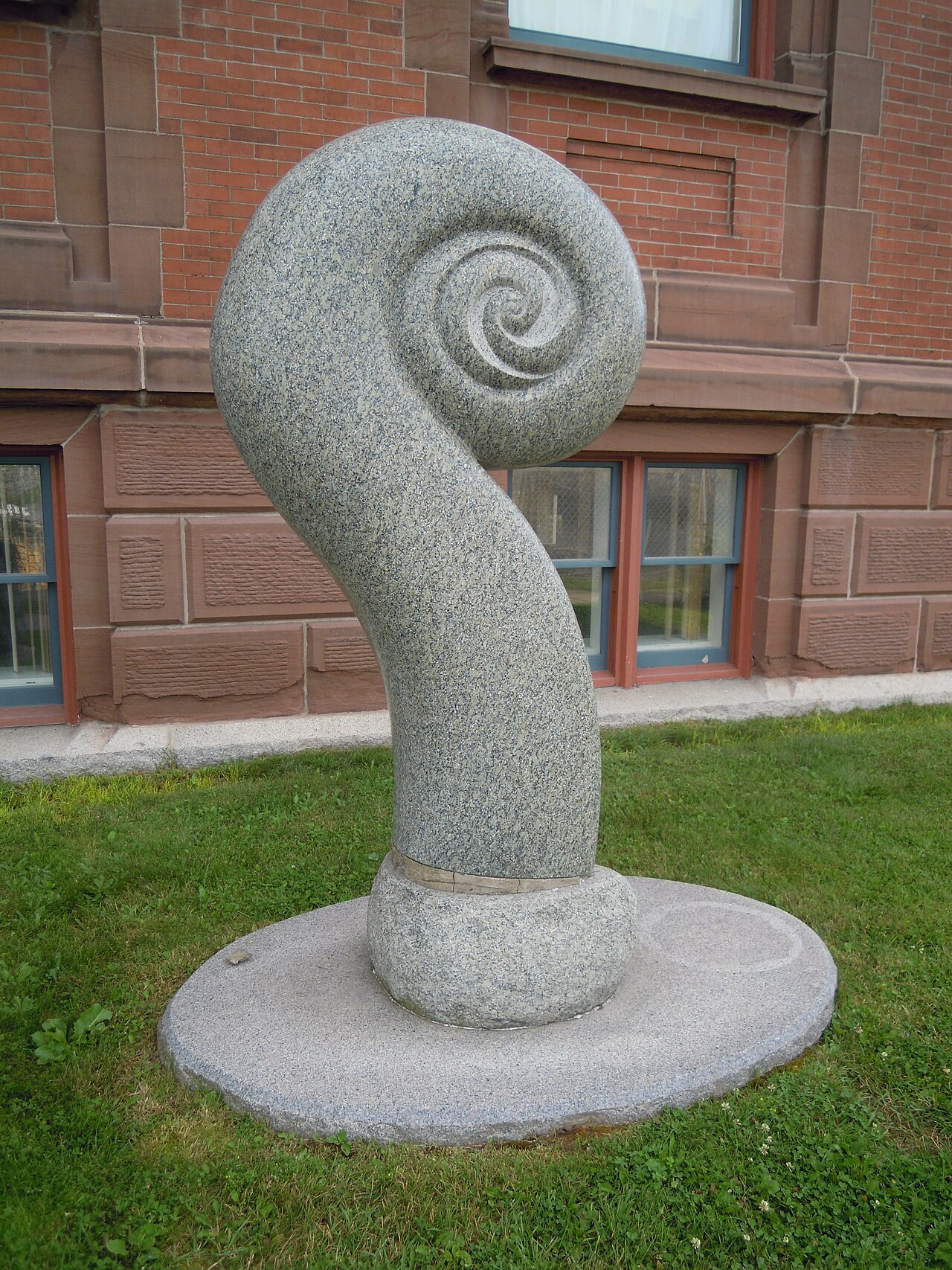
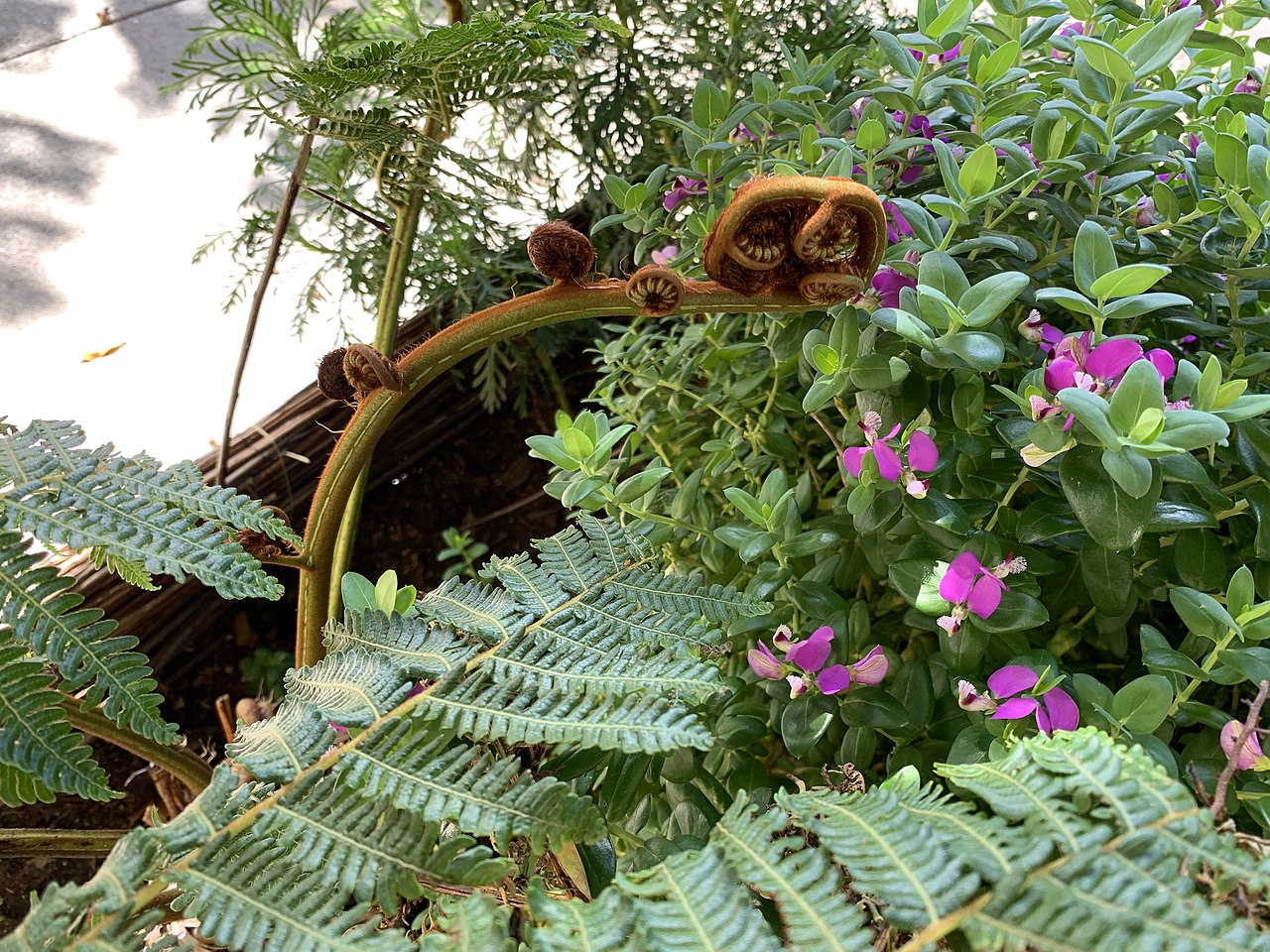
Fiddleheads are the curled, immature fronds of ferns harvested in spring for use as a seasonal vegetable. The name comes from their resemblance to the scroll at the end of a fiddle or violin. When unfurled they become the familiar feathered fern leaves; while tightly coiled they are firm, compact and valued for a delicate, grassy flavor and a slightly nutty or vegetal texture.
Image gallery
8 Images




Identification and common species
- Appearance: a tight spiral, often glossy green, sometimes with brown papery scales or fine hairs on the stalk.
- Common edible type: the ostrich fern (Matteuccia struthiopteris) is widely regarded as the safest and most palatable commercial species in North America.
- Distinctions: other ferns produce fiddleheads too, but some can be bitter or contain toxins; correct identification matters for safety.
Culinary uses and preparation
Fiddleheads are harvested in early spring, when fronds are still coiled and before they open. They are prepared like other spring greens: commonly boiled, steamed or blanched and then sautéed with butter, garlic, lemon, or olive oil. Typical dishes include simple sautés, use in salads after cooling, soups, omelets and pickles. Because raw fiddleheads have been linked to foodborne illness, most culinary guidance recommends boiling or steaming until tender before eating; many cooks boil 10–15 minutes or steam until soft, then finish by sautéing.
History, culture and seasonality
Fiddleheads have a long history as a wild-harvested food. Indigenous peoples across temperate regions harvested them in spring, and they became regional specialties—known by names such as "têtes de violon" in French Canada and incorporated into East Asian and other cuisines. The harvest window is short, typically a few weeks in spring, which contributes to their seasonal popularity and market value.
Nutrition, safety and sustainability
Fiddleheads are low in calories and provide dietary fiber and vitamins such as A and C, plus minerals like iron. To reduce health risks, avoid eating them raw and discard any specimens that appear moldy or excessively wilted. Foragers should harvest sustainably: take only a portion of the fronds from a plant, avoid overharvesting in the same patch, and follow local regulations or advisories. Proper identification and cooking make fiddleheads a distinctive and safe spring ingredient.
Related articles
Author
AlegsaOnline.com Fiddlehead fern Leandro Alegsa
URL: https://en.alegsaonline.com/art/34189