
Fatsia (genus of evergreen ornamental shrubs)
Fatsia is a small genus of evergreen shrubs in the Araliaceae family, native to southern Japan and Taiwan. Known for large palmately lobed leaves, it is grown as an ornamental and has naturalised in some regions.
Fatsia is a compact genus comprising three species of broad-leaved, evergreen shrubs placed in the Araliaceae family. Native to parts of East Asia, the plants are most familiar in cultivation for their sculptural, palmately lobed foliage and for tolerating shady sites.
Image gallery
7 Images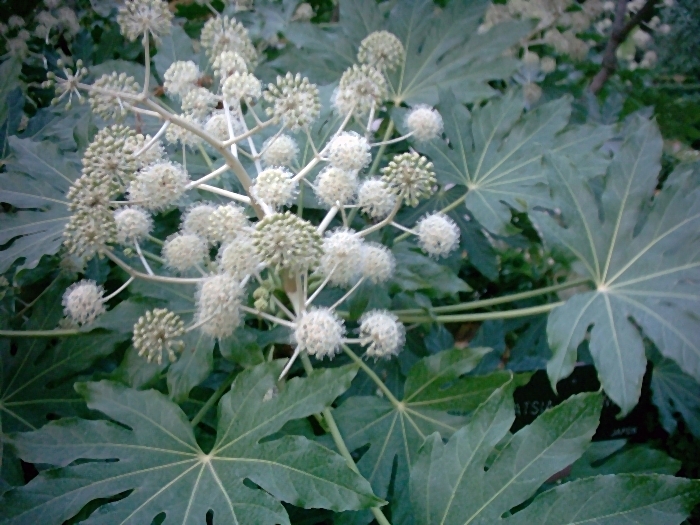


Distinctive characteristics
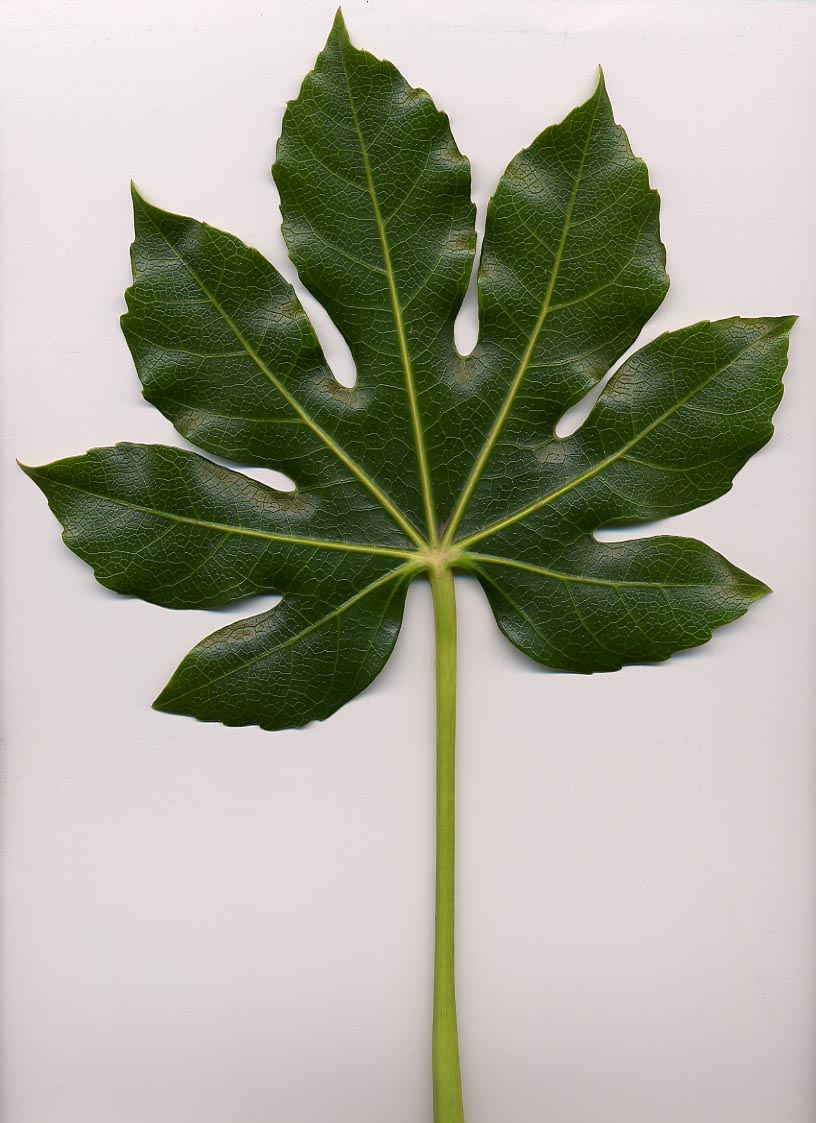
Fatsia species typically produce large, glossy leaves divided into several lobes that give a palm-like appearance despite the plants not being palms. Small, creamy-white flowers are borne in dense terminal umbels and are followed by rounded, dark fruits. Growth habit is shrubby and clumping; individual plants form a substantial architectural presence in a garden or container.
Distribution and naturalisation
While native to southern Japan and Taiwan, some Fatsia populations have been established beyond their original range. The genus has become naturalised in parts of temperate regions, and in New Zealand it is noted to colonise waste ground and abandoned gardens, spreading in some locations by means of suckers.
Cultivation and uses
Fatsia is widely planted for ornamental use: in shade gardens, as specimen plants, and as houseplants where space allows. They are valued for low-light tolerance, bold foliage contrast, and a range of cultivars including variegated forms. Propagation is commonly by division or semi-ripe cuttings, and maintenance needs are modest—regular watering, well-drained soil and protection from prolonged frost where climates are colder.
History, taxonomy and notable facts
The plants entered western horticulture during the era of increased botanical exchange from East Asia and have been taxonomically placed with other araliads. The best-known member of the group is frequently grown under common names that emphasize its Japanese origin. Although similar in leaf form to some palms or aralias, Fatsia should be recognised as a distinct shrub genus often used to add tropical texture to temperate gardens.
Practical considerations
- Landscape use: excellent for shaded borders and understorey planting.
- Indoor culture: adapts to containers but benefits from occasional outdoor siting.
- Management: remove dead wood, control root suckers where spread is undesirable.
For general plant care, identification resources and distribution details, see related entries and horticultural guides indicated by the genus and species links above.
Questions and answers
Q: What is Fatsia?
A: Fatsia is a small genus of evergreen shrubs in the Araliaceae family.
Q: How many species of Fatsia are there?
A: There are three species of Fatsia.
Q: Where are Fatsia plants native to?
A: Fatsia plants are native to southern Japan and Taiwan.
Q: Has Fatsia become naturalized in any areas outside its native range?
A: Yes, Fatsia has become naturalized in some areas.
Q: Where has Fatsia become established in New Zealand?
A: Fatsia has become established in waste areas and abandoned gardens in New Zealand.
Q: How does Fatsia spread in New Zealand?
A: Fatsia spreads in New Zealand by suckers.
Q: Is Fatsia an evergreen shrub?
A: Yes, Fatsia is an evergreen shrub.
Related articles
Author
AlegsaOnline.com Fatsia (genus of evergreen ornamental shrubs) Leandro Alegsa
URL: https://en.alegsaonline.com/art/33656