
Extrusion: Geological Eruptions and Industrial Shaping Processes
Extrusion refers to material forced outward: in geology, magma expelled as lava or pyroclasts; in industry, material shaped by pushing through a die to form continuous profiles and parts.
Overview
Extrusion describes processes in which material is forced out from a confined space to form a new surface or shape. In Earth science the term applies to molten material that reaches the exterior and solidifies rapidly. In manufacturing it refers to solids or semi-solid materials pushed through a shaped opening to produce continuous sections or discrete parts.
Image gallery
10 Images




Geological extrusion
In geology, extrusion is the emergence of igneous material during volcanic activity. Hot magma that reaches the Earth's surface becomes lava or is fragmented into airborne particles that later settle as pyroclastic deposits and tuff. Extrusive rocks are typically fine-grained or glassy because rapid cooling at the surface limits crystal growth. Common extrusive rock types include basalt, andesite, and rhyolite, which differ mainly by composition and eruption style. Their counterparts, formed when magma cools below ground, are described as intrusive rocks.
Industrial extrusion
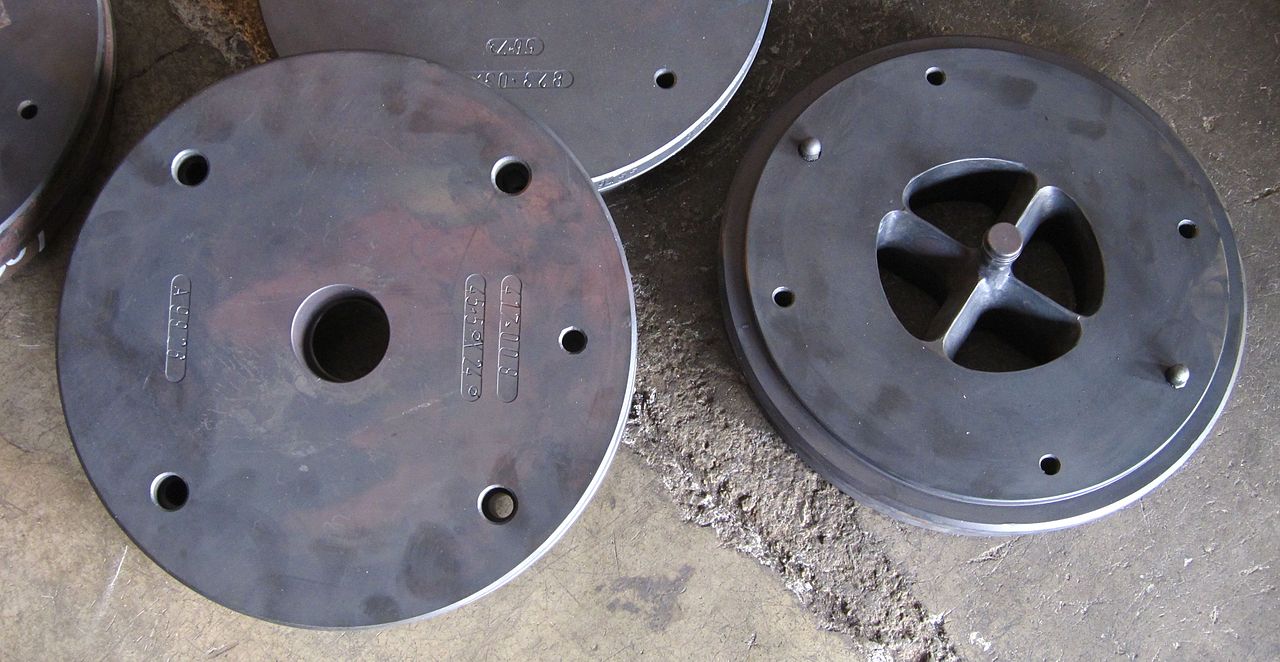
In manufacturing, extrusion is a continuous shaping method where material in a softened state is forced through a die to produce a fixed cross-section. The process is used with metals (such as aluminum), polymers (thermoplastics), glass, and even foodstuffs. Equipment ranges from simple hand-operated dies to large screw extruders and ram presses. The die profile determines the part geometry, and process variables—temperature, pressure, and material feed—control surface finish and internal structure.
Characteristics and common products
Extrusion yields uniform, continuous parts and is especially efficient for long lengths or high-volume profiles. Typical extruded items include:
- Structural aluminum profiles and window frames
- Plastic tubing, pipes, and cable insulation
- Glass rods and hollow glass sections
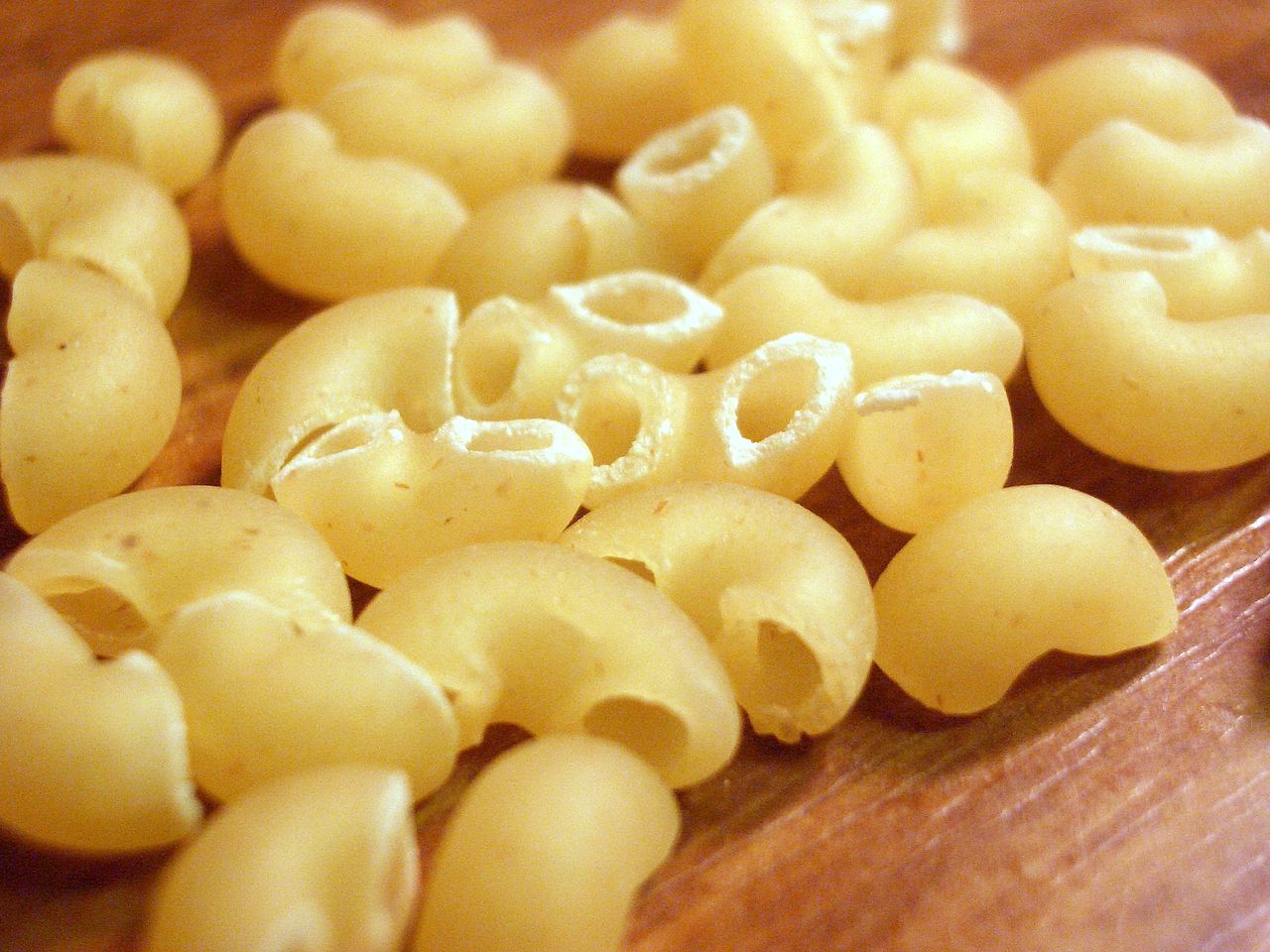
- Food products such as pasta and snack cereals
- Filaments for additive manufacturing and ceramic extruded shapes
History, advantages and distinctions
The roots of extrusion as a craft extend back to simple metal and clay shaping, while modern screw and ram extruders were refined with industrial advances. Advantages include material efficiency, repeatability, and the ability to make complex cross-sections without secondary machining. Extrusion differs from molding and casting in that it typically produces continuous profiles rather than discrete molded volumes, and it can be better suited to anisotropic or reinforced materials.
Applications and notable facts
Because extrusion is adaptable to many materials and scales, it is central to construction, packaging, transportation, electronics, and food industries. In volcanology, recognition of extrusive textures and deposits helps reconstruct eruption histories and assess hazards. In manufacturing, innovations such as co-extrusion (multiple materials through a single die) and advances in die design continue to broaden the technique's utility.
For further reading, see resources on igneous processes, volcanic behavior, and industrial rock and material studies; technical overviews of magma chemistry and dynamics; surveys of Earth's structure at global scale; descriptions of lava types; classification of tuff and pyroclastic deposits; and contrasts with intrusive formations.
Related articles
Author
AlegsaOnline.com Extrusion: Geological Eruptions and Industrial Shaping Processes Leandro Alegsa
URL: https://en.alegsaonline.com/art/33055