
Tuff: consolidated volcanic ash — formation, varieties, and uses
Tuff is a rock formed from volcanic ash that has been compacted and cemented. This article explains how tuff forms, its main types and properties, historic and modern uses, and how it differs from similar materials.
Tuff is a type of rock formed when volcanic ash and small fragments ejected during an eruption are buried, compacted, and cemented into a solid mass. The English name comes via Italian tufo. Tuff records the fine‑grained products of explosive volcanic activity and its composition depends on the original eruptive material: ash derived from silica‑rich to silica‑poor melts, and shards of crystals and glass produced during the explosive fragmentation of magma.
Image gallery
10 Images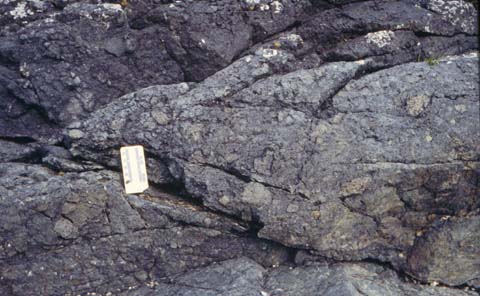




Formation and characteristic features
Tuff forms in several ways: from fall deposits of airborne ash that settle from eruption plumes, from ash flows (pyroclastic density currents) that travel across the landscape, and from reworked volcanic fragments in sedimentary environments. Common characteristics include a generally fine texture, visible volcanic glass and mineral fragments under magnification, and layers that reflect changes in eruption style. When ash was hot enough to weld together on deposition the resulting rock is called welded tuff; less hot deposits remain nonwelded and more friable.
- Composition: ranges from rhyolitic (silica‑rich) to basaltic (silica‑poor); mineralogy reflects the parent melt.
- Texture: can be compact, porous, pumiceous, or brecciated, depending on the eruption and post‑depositional history.
- Terminology: rock with more than about half its volume composed of tuffaceous material is often termed tuffaceous rock.
Occurrence and geological significance
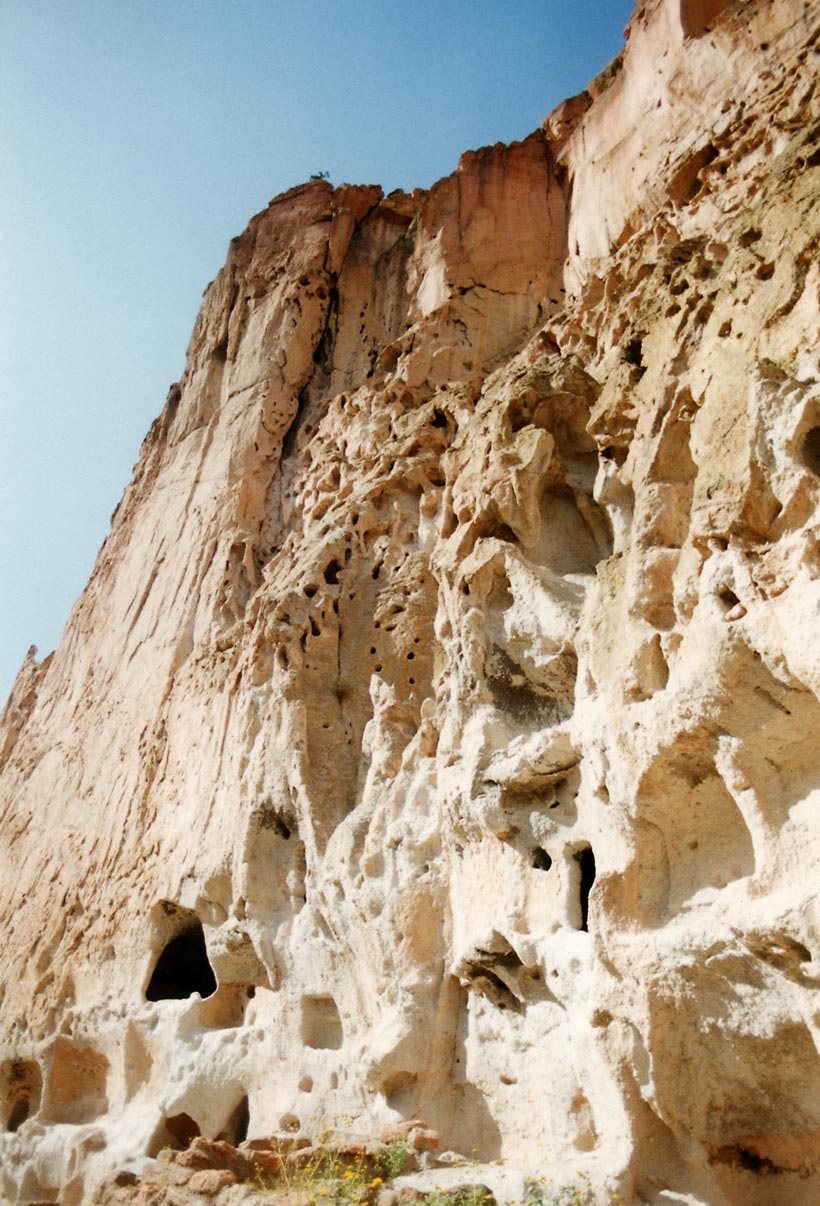
Tuff is widespread in volcanic provinces worldwide and commonly forms distinctive landforms where it is resistant to erosion or, conversely, where soft tuff erodes into dramatic valleys and hoodoos. Famous landscapes carved into tuff include cave dwellings and pinnacles in regions with thick ash deposits. Because tuff preserves details of eruptions—grain size, composition, and layering—it is an important archive for reconstructing volcanic histories and correlating units across distances.
Uses, preservation, and hazards
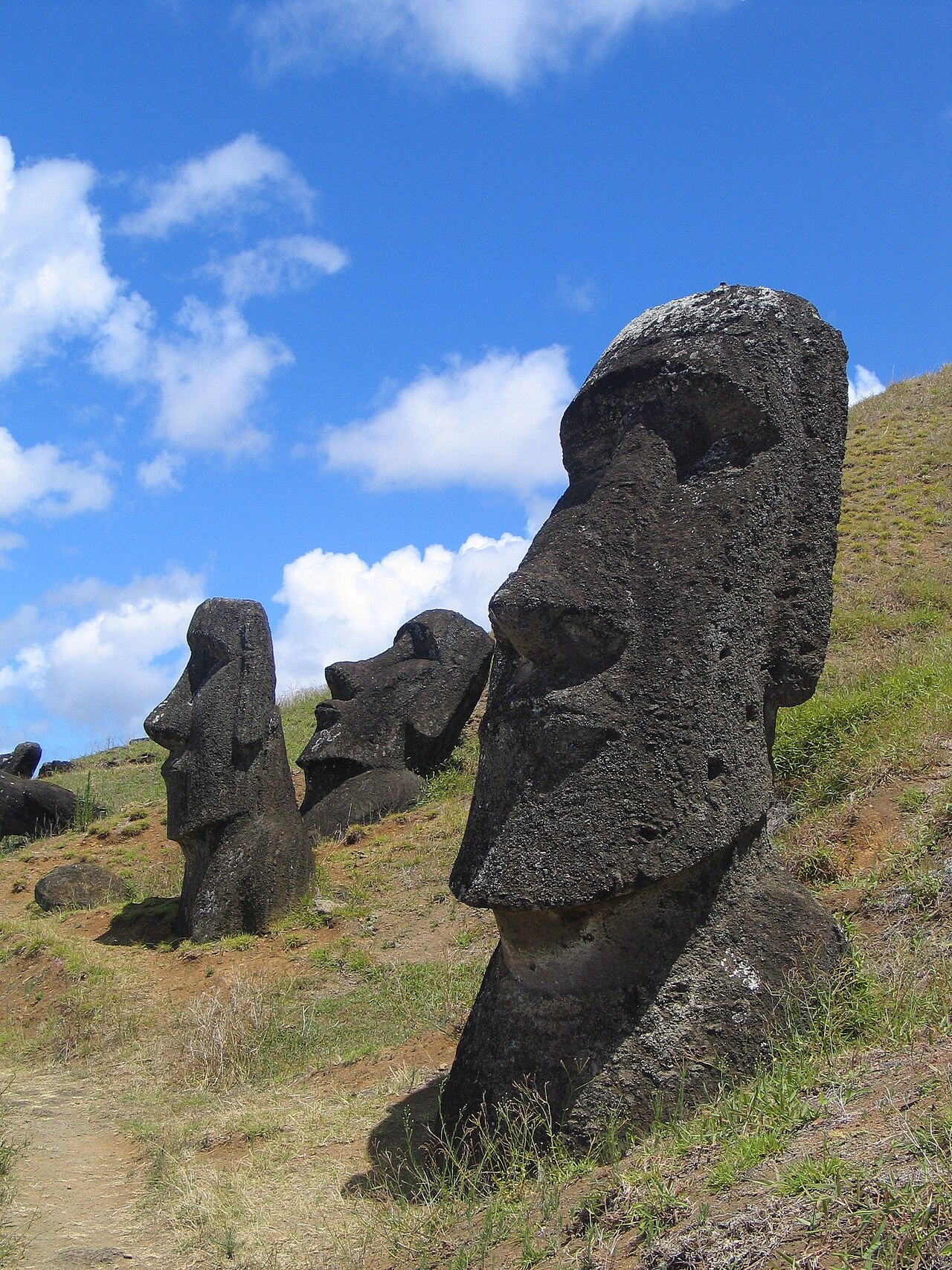
Human societies have long used tuff as a building and sculptural stone because many varieties are relatively easy to cut yet durable when exposed. Architects and masons in several regions historically quarried local tuff for walls, monuments, and fortified structures. Tuff also affects soil development, slope stability, and groundwater flow: some tuffs weather to fertile soils, while other layers can form impermeable caps that influence landslide behavior. In volcanic hazard assessment, understanding tuff deposits helps identify past explosive eruptions and potential future risks associated with ash production from active volcanoes.
Distinctions and notable facts
Tuff is distinct from similarly named or appearing materials. It should not be confused with tufa, a porous calcium carbonate deposit formed by spring or lake processes. Tuff differs from volcanic breccia and lapilli tuff by particle size and degree of welding. Some welded tuffs grade into ignimbrites—dense deposits of hot ash and pumice—so field identification often relies on texture, welding, and the presence of flattened pumice fragments. For introductory references and further reading see texts and resources on igneous and pyroclastic rocks (tufo, rock, volcanoes, magma).
Questions and answers
Q: What is Tuff?
A: Tuff is a type of rock that is produced by volcanic eruptions.
Q: What is the origin of the term Tuff?
A: Tuff originated from the Italian word "tufo".
Q: What is the composition of tuff?
A: The composition of tuff varies based on the content of molten magma.
Q: How is tuff formed?
A: Tuff is formed by the consolidation of volcanic ash ejected through volcanic vents.
Q: What percentage of tuff is required for it to be called tuffaceous rock?
A: Rock with more than 50% tuff is called tuffaceous.
Q: What can we determine from the chemical and mineral composition of tuff?
A: The chemical and mineral composition of tuff is indicative of what was present in the molten magma.
Q: What are some common uses of tuff?
A: Tuff is commonly used as a building material and in road construction.
Related articles
Author
AlegsaOnline.com Tuff: consolidated volcanic ash — formation, varieties, and uses Leandro Alegsa
URL: https://en.alegsaonline.com/art/101954