
Felsic: light, silica-rich igneous minerals and rocks
Felsic describes silica-rich, light-coloured igneous minerals and rocks (like granite and quartz). Covers composition, common minerals, formation, tectonic settings, uses and distinctions from mafic rocks.
Overview
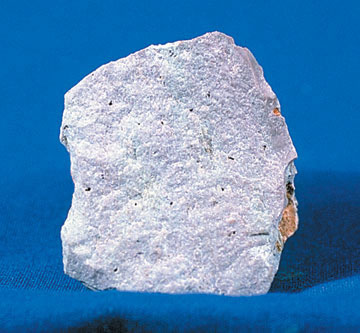
The adjective felsic is used in geology to characterize silicate-rich minerals, melts and rocks that are abundant in silica and the lighter rock-forming elements. The word itself reflects a focus on feldspar and silica components. Felsic materials are typically light in colour, have relatively low densities and represent the dominant rock types of much continental crust.
Image gallery
3 Images

Composition and characteristics
Felsic rocks and minerals are enriched in silicon and oxygen and commonly contain significant amounts of aluminium, sodium and potassium. Typical chemical constituents are silicon, oxygen, aluminium, sodium and potassium. They originate from silica-rich magmas (magma) or from the crystallization of such melts to form igneous rocks. Felsic rocks tend to have specific gravities below about 3, and their higher silica content generally makes associated magmas more viscous than mafic magmas.
Common felsic minerals and rocks
- Quartz — a pure silica mineral common in felsic rocks.
- Micas such as muscovite — light-coloured sheet silicates.
- Alkali feldspars like orthoclase and other potassium-rich phases.
- Sodium-rich plagioclase feldspars — frequent in many felsic assemblages.
- Granite — the classic coarse-grained felsic intrusive rock; volcanic equivalents include rhyolite and dacite.
Formation and tectonic settings
Felsic magmas commonly form through partial melting of pre-existing continental crust, by extensive fractional crystallization of more mafic magmas, or by crustal anatexis during orogeny. Because felsic melts are richer in silica and volatiles, they are often more viscous and can produce explosive volcanic eruptions where they reach the surface. These rock types are most characteristic of continental crust and active continental margins.
Uses, importance and distinguishing features
Felsic rocks and minerals have many practical uses: granites are widely used in construction and as dimension stone, quartz is important in glass and electronics, and feldspars are raw materials in ceramics and glassmaking. In classification, felsic compositions are commonly contrasted with mafic compositions, which are richer in iron and magnesium and generally darker and denser. Recognizing felsic versus mafic character helps geologists infer magma history, crustal composition and tectonic environment.
Notable facts and further reading
In hand specimen, felsic rocks are often identified by light-coloured minerals and abundant quartz or feldspar. Textural differences (intrusive vs volcanic) produce granite, rhyolite and related rocks from similar compositions. For introductory material on these topics see general textbooks and online resources on silicate mineralogy and igneous rocks, or sources that cover magma evolution, geology of continental crust, and physical properties such as specific gravity. Additional technical discussions address mineral chemistry of plagioclase feldspars, the role of aluminium and alkali elements like sodium and potassium in determining rock classification.
Questions and answers
Q: What does the term "felsic" refer to in geology?
A: The term "felsic" refers to silicate minerals, magma, and igneous rocks which are enriched in the lighter elements such as silicon, oxygen, aluminium, sodium, and potassium.
Q: What are the characteristics of felsic rocks?
A: Felsic rocks are usually light in colour and have specific gravities less than 3.
Q: What is the most common felsic rock?
A: The most common felsic rock is granite.
Q: Apart from granite, what are some other types of felsic rocks?
A: Other types of felsic rocks include quartz, muscovite, orthoclase, and the sodium-rich plagioclase feldspars.
Q: How do felsic rocks compare to mafic rocks when it comes to chemistry?
A: In terms of chemistry, felsic rocks are on the other side of the rock spectrum from the mafic rocks.
Q: What kind of minerals and elements are typically found in felsic rocks?
A: Felsic rocks are enriched in the lighter elements such as silicon, oxygen, aluminium, sodium, and potassium, and contain silicate minerals.
Q: How does the specific gravity of felsic rocks compare to other types of rocks?
A: Felsic rocks have specific gravities less than 3, which is lower than some other types of rocks.
Related articles
Author
AlegsaOnline.com Felsic: light, silica-rich igneous minerals and rocks Leandro Alegsa
URL: https://en.alegsaonline.com/art/33946