
Ewok — small forest-dwelling species from the Star Wars universe
Ewoks are a diminutive, tribal species introduced in Return of the Jedi, native to the forest moon of Endor. Known for primitive technology, courage in the Battle of Endor, and mixed cultural reception.
Overview
Ewoks are a fictional, sentient species created for the Star Wars setting. They are best remembered as small, fur-covered, bear-like inhabitants of the forest moon of Endor. Introduced in the film Return of the Jedi, Ewoks were portrayed as tribal people with simple tools and a strong communal life. Their appearance and behavior emphasize living close to nature rather than using advanced technology.
Image gallery
2 Images
Physical traits and culture
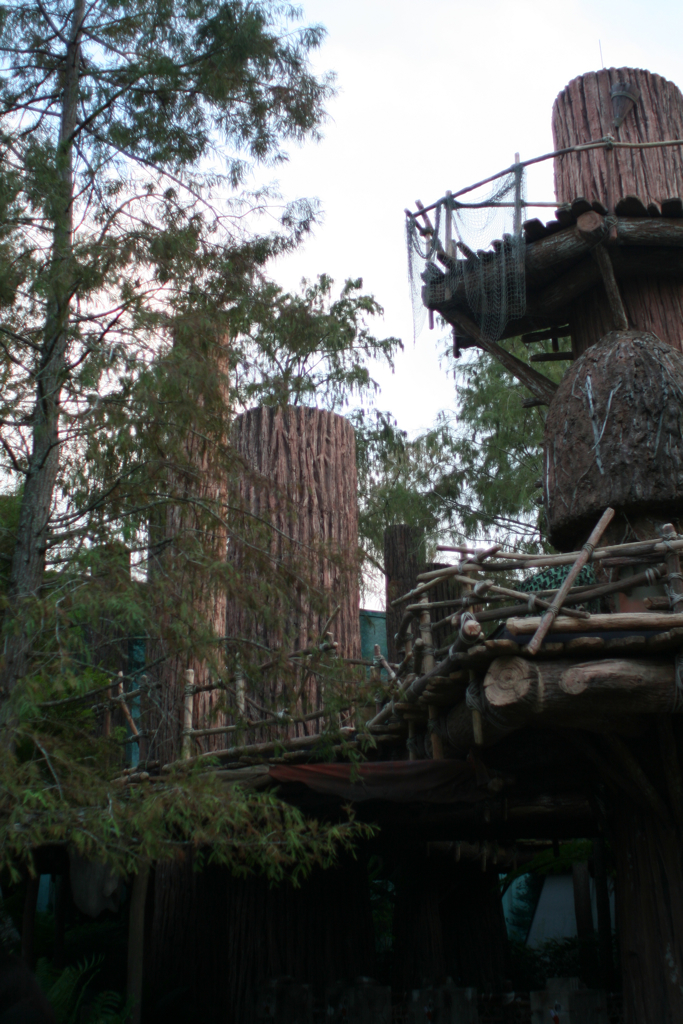
Ewoks are short—roughly the size of a child or small adult—and covered with dense fur, leading to a common description as "teddy-bear-like" or bear-like. They dress in hides and occasionally wear bones or skulls of animals as adornment or protective coverings. Social organization is tribal: groups live in tree villages, practice hunting and gathering, and construct traps, sleds, and rope bridges. Their language, often called Ewokese, was created for the films by sound designers and uses altered human vocalizations to give a distinct, non‑human sound.
Technology and tactics
Although Ewoks lack large-scale industrial technology, they are resourceful engineers of simple machines and battlefield devices. Typical equipment and tactics include:
- Handcrafted spears, slings, and clubs
- Canvas, woven ropes, ladders and nets for arboreal mobility
- Mechanical traps, log rolls and pitfalls used in ambushes
- Use of fires, noise, and coordinated small-unit maneuvers to confuse larger foes
Origin in fiction and media appearances
George Lucas introduced Ewoks to expand the universe of Lucasfilm storytelling and to populate the forest moon setting with a native culture. In the narrative, Ewoks played a pivotal role in the Battle of Endor by aiding the Rebel Alliance and contributing to the disabling of an Imperial shield generator that protected a larger enemy installation. The most widely recognized individual Ewok is Wicket (Wicket W. Warrick), who interacts with central characters and helped lead to the rebels' success.
Cultural impact and reception
Ewoks generated significant popular attention and merchandising. Some critics argued they were introduced to appeal to younger audiences and to sell toys, while defenders noted their portrayal as an example of guerrilla tactics overcoming technologically superior forces. Beyond the film, Ewoks appeared in made-for-television movies and an animated series, expanding their culture and characters in family-oriented stories. Their depiction continues to be a topic of discussion among fans for tone, narrative purpose, and legacy within the franchise.
Notable facts and distinctions
- Ewok villages are typically built in the canopies of large trees and connected by ropes and platforms.
- Their language and sounds were engineered by sound designers rather than derived from a single natural tongue.
- They are distinct from other small species in the franchise by their specifically arboreal lifestyle and tribal social structure.
For more on related topics and media, see entries on creatures, the Endor ecosystem, and the Ewoks' appearances beyond the original film such as television specials and an animated series.
Related articles
Author
AlegsaOnline.com Ewok — small forest-dwelling species from the Star Wars universe Leandro Alegsa
URL: https://en.alegsaonline.com/art/32862