
Fairy (folklore creature)
A fairy is a mythical, often small supernatural being from folk traditions; associated with nature, magic, varied roles, and wide cultural adaptations from oral lore to modern media.
Overview
A fairy is a supernatural being from folklore and popular culture, typically imagined as a small, humanoid creature connected to nature and magic. Traditions vary: some describe fairies as tiny winged figures who fly, others as human-sized or invisible entities. Stories about fairies appear in many regions, with especially rich bodies of lore in Irish, Scottish, English and continental European sources.
Image gallery
7 Images




Appearance and abilities
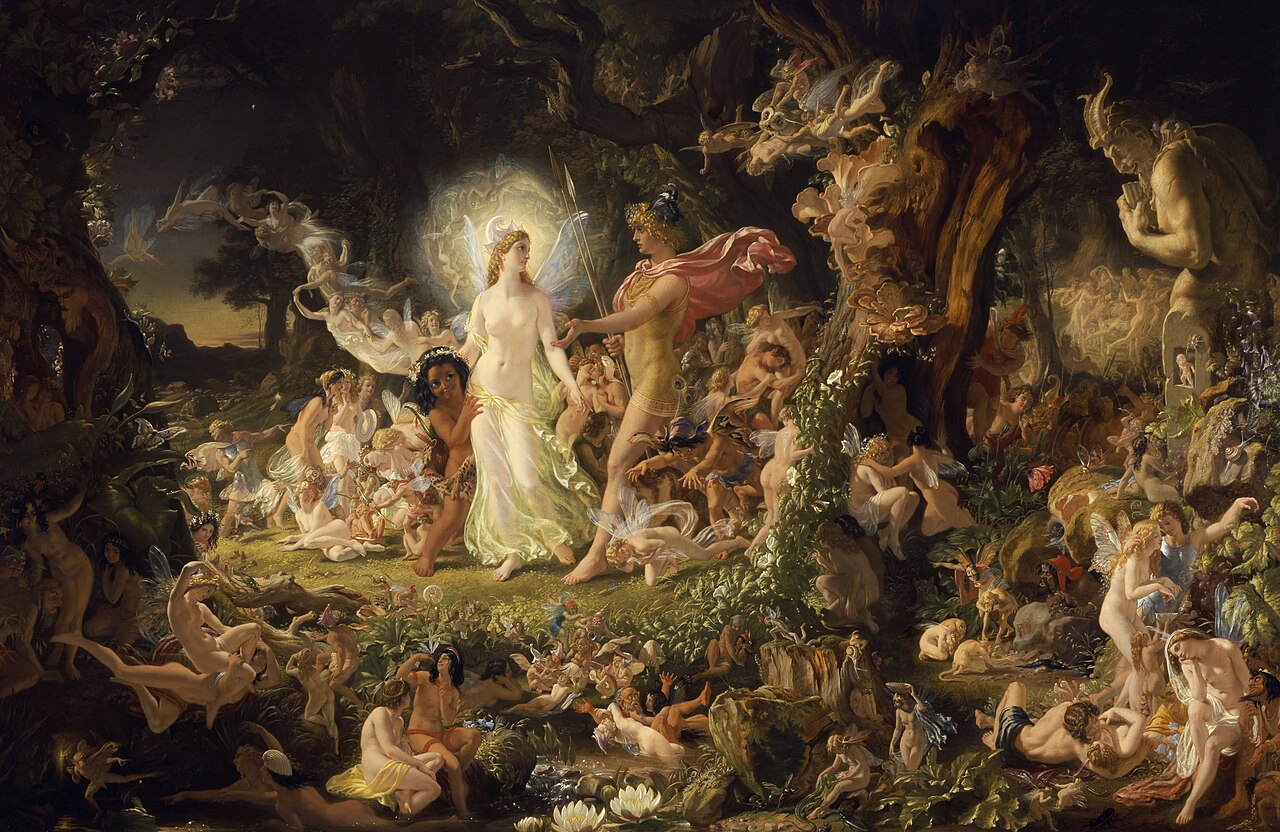
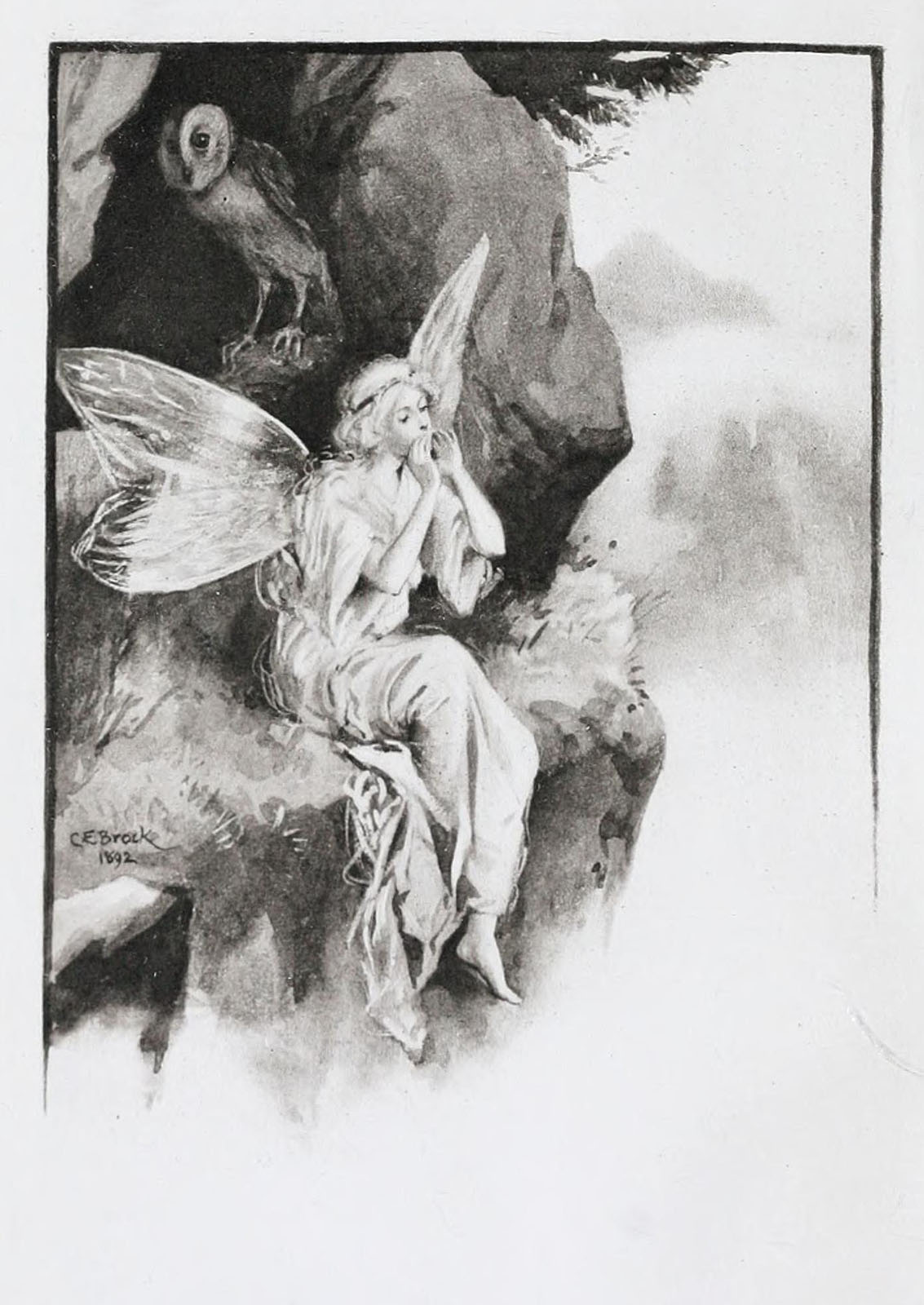
Representations of fairies range from diminutive, winged women to ambiguous, shape‑changing spirits. Common attributes include longevity, enchanted skills, and a capricious temperament. Folklore often credits them with the power to bless or curse, to influence crops and livestock, and to lead travelers astray. In later art and children’s books they are frequently portrayed as benevolent and playful.
Types, roles and examples
Folk narratives identify many specialized fairies and roles. Some are household helpers or protective spirits; others are tricksters or guardians of particular places. A widely known example in modern popular culture is the Tooth Fairy, a figure who exchanges a child’s lost tooth for a small reward, mentioned in countless childhood traditions and stories. In folklore lists, you may also encounter brownies, pixies, sprites, and fae—terms with overlapping but regionally distinct meanings.
- Brownies and house spirits: domestic helpers in some traditions.
- Pixies and sprites: often linked to moorlands or streams.
- Fae and sidhe: larger fairy kinds in Celtic tales.
History and cultural development
Beliefs about fairies evolved over centuries. Medieval and early modern writings sometimes blended ancestral spirit belief with Christian ideas, producing tales of otherworldly peoples with rules and hierarchies. From the 18th century onward, romantic and Victorian literature reshaped fairies into picturesque, child-friendly figures; the 19th and 20th centuries further popularized them through theater, illustration and later film.
Uses, symbolism and modern adaptations
Fairies serve symbolic roles in literature and art: they personify nature’s mystery, childhood wonder, social boundaries, or the unseen forces affecting daily life. Contemporary media reuse fairy motifs in fantasy novels, movies and games, ranging from mischievous sidekicks to complex cultural metaphors. The Tooth Fairy persists as a cross-cultural ritual in many families, representing a gentle transition in childhood and occasionally serving as a subject of regional variation and commercial adaptation.
Distinctions and notable facts
Scholars distinguish between folkloric fairies—embedded in rural beliefs and customs—and modern commercialized images found in mass media. Terminology varies by language and region: words like fae, faerie, fairy, and sidhe carry different connotations. For brief further reading on common motifs and historical sources see related summaries and collections of folklore. For children's customs and specific cultural practices, common reference pages discuss the Tooth Fairy and similar figures in greater detail: Tooth Fairy, customary rewards, pillow rituals, lost tooth traditions.
Related articles
Author
AlegsaOnline.com Fairy (folklore creature) Leandro Alegsa
URL: https://en.alegsaonline.com/art/33300