
Evangelicalism: beliefs, history, and global presence
Overview of evangelicalism: core beliefs, historical development, global distribution, denominational forms, social influence, and notable figures in conservative Protestant Christianity.
Evangelicalism is a broad movement within Christian faith that emphasizes the authority of the Bible, the necessity of personal conversion, active sharing of the faith, and a commitment to moral living. In many contexts it appears within Protestant strands of Christianity, though some Catholics also identify with evangelical emphases. The label can describe both doctrinal positions and styles of worship and public engagement.
Image gallery
10 Images




Core beliefs and emphases
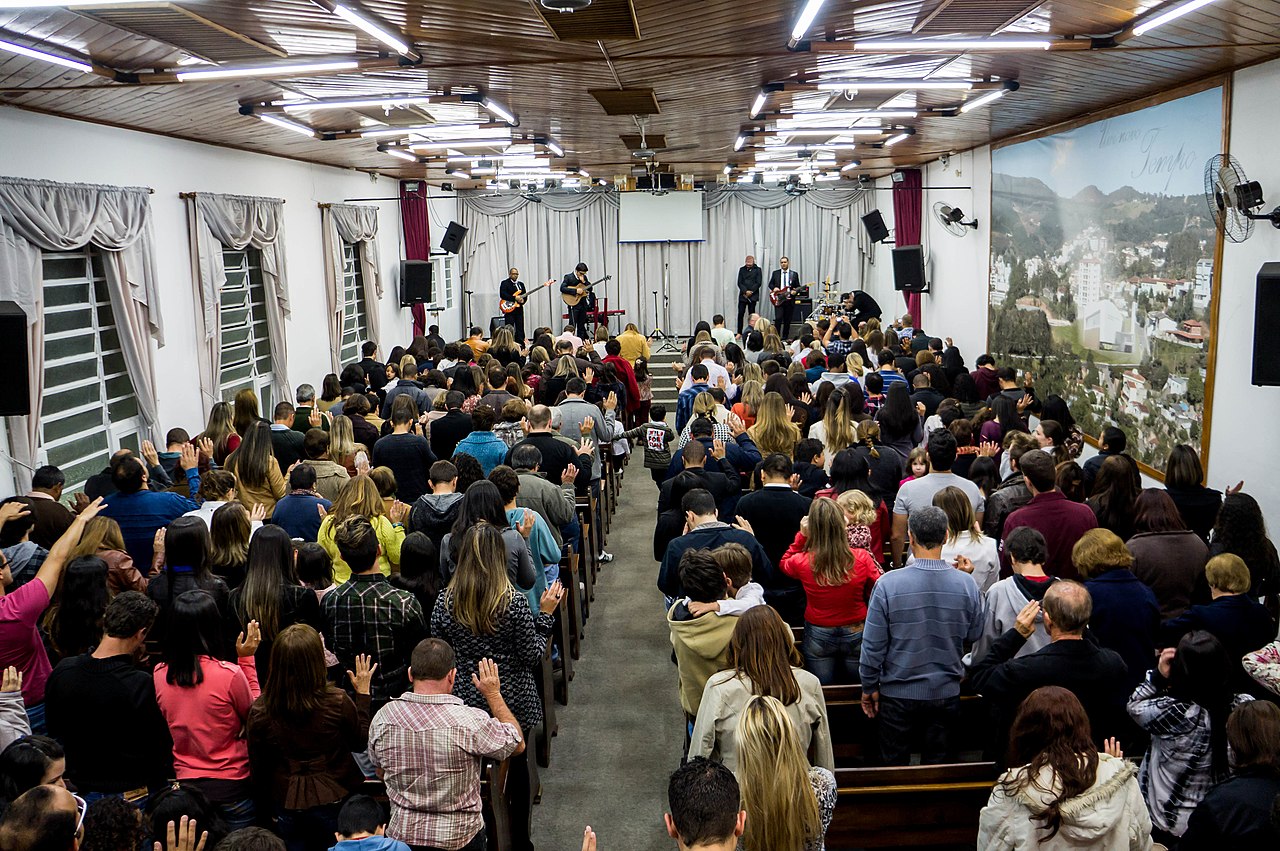
While there is theological variety among those called evangelicals, several themes recur: personal conversion or being "born again" (conversion), the importance of Scripture as the primary guide for faith and practice, and an active concern for evangelism — deliberate efforts to communicate Christian claims to others. Many evangelicals also stress the lordship of Jesus, the need for repentant faith, and the role of prayer and communal worship.
History and development
Evangelicalism arose from Protestant revival movements beginning in the 18th and 19th centuries, including the Great Awakenings and Methodist and Baptist revivals in Britain and North America. These movements prioritized renewed personal faith and missionary activity. Over time evangelicalism has diversified, distinguishing itself from mainline Protestant liberalism (Protestant liberalism) while sometimes sharing concerns such as social reform.
Global distribution and denominational forms
Estimates published in the 21st century place the number of self-identified evangelicals in the hundreds of millions, reflecting rapid growth especially in the Global South. In some regions the term simply denotes Protestant identity — for example in parts of Europe and Latin America — while elsewhere it marks a conservative theological stance. Evangelicals are prominent among Baptist churches and Pentecostals, present within many Methodist and Presbyterian congregations, and numerous independent or non-denominational groups; denominational variety is wide (denominations).
Practices, social role, and notable figures
Practically, evangelical churches range from liturgical to low‑church styles; common activities include preaching, Bible study, missionary work, and outreach ministries. Evangelicals have played leading roles in education, missions, and social campaigns, and in some countries they are influential in public life and politics. The movement has also sparked internal debate over topics such as cultural engagement and interpretation of Scripture. Among well-known twentieth‑century evangelicals was Billy Graham, whose crusades and media presence made him an international figure.
Distinctions and continuing debates
Evangelicalism resists a single definition because it is simultaneously theological, cultural, and institutional. Distinctions are often drawn between revivalist, pietistic, conservative, and charismatic strands; between denominational and independent churches; and between activists who prioritize social reform and those who emphasize doctrinal purity. Scholars, religious leaders, and adherents continue to debate boundaries, public roles, and the movement’s future direction.
For further reading, consult introductory surveys, denominational histories, and demographic studies that explore evangelical beliefs, worship practices, institutions, and global patterns in greater depth. Online resources and academic works can provide deeper context on how this multifaceted movement has shaped modern religious life both regionally and worldwide.
Related articles
Author
AlegsaOnline.com Evangelicalism: beliefs, history, and global presence Leandro Alegsa
URL: https://en.alegsaonline.com/art/32716
Sources
- books.google.com : The Cambridge Companion to Evangelical Theology
- pewresearch.org : "5 facts about U.S. evangelical Protestants"
- pewforum.org : "Religion in America: US Religious groups"