
Presbyterianism
A Protestant Christian tradition emphasizing representative church government by elders, Reformed theology, and a worship life centered on Scripture and the sermon.
Presbyterianism is a branch of Protestant Christianity shaped by Reformed (Calvinist) theology and a distinctive system of church government. It emerged during the Protestant Reformation and developed institutional forms that emphasize shared leadership, orderly worship, and theological commitments to the authority of Scripture. Modern Presbyterian bodies vary widely in practice and belief but retain common structural and theological features.
Image gallery
10 Images


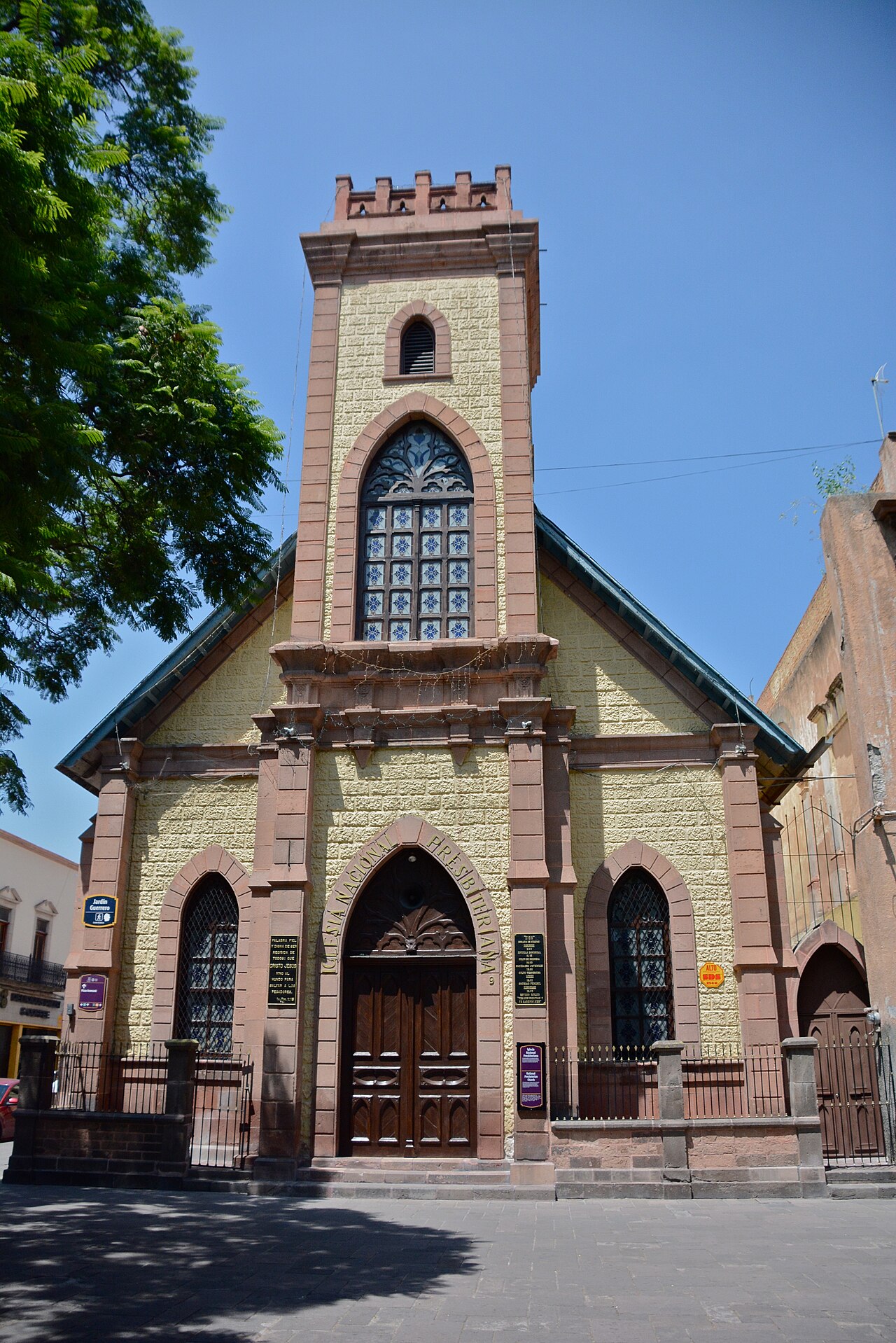


Origins and historical development
The movement traces much of its early identity to 16th-century reformers in continental Europe and to Scottish reformer John Knox, who adapted Reformed teachings after spending time among Protestant communities on the continent during the 16th century. Presbyterian structures became especially prominent in Scotland and later spread to Ireland, England, North America and other regions. The tradition also played a role in the religious politics of the British Isles, including during the English Civil War, and later influenced missionary movements overseas.
Theology and beliefs
Presbyterian churches are broadly rooted in Reformed theology, which emphasizes God's sovereignty, the centrality of Christ, and the authority of the Bible. Many Presbyterians affirm historic creeds and confessions such as the Apostles' Creed and the Westminster Confession. Views on topics like biblical interpretation vary: some congregations hold to a doctrine of biblical inerrancy, while others adopt more nuanced positions about inspiration and interpretation. The tradition is often associated with doctrines sometimes labeled Calvinism, including the emphasis on God's saving work.
Polity and leadership
Presbyterian polity is representative rather than episcopal. The word "presbyter" comes from a Greek term meaning "elder," and leadership is exercised by ordained elders who govern congregations together. Local elders form a session; several congregations send representatives to a regional presbytery; presbyteries may be grouped into synods; and national or international assemblies provide wider coordination. There is no single bishop or pope in most Presbyterian systems, and the balance of ordained ministers and lay elders varies by denomination and region.
Worship, sacraments and practice
Sunday worship in Presbyterian churches commonly centers on the reading and public preaching of the Bible, communal prayer, and singing. The two primary sacraments celebrated are baptism and the Lord's Supper (communion). Worship styles range from traditional, liturgically ordered services to contemporary forms; in many congregations the sermon by the minister is the focal element of the service and invites reflection on Scripture and doctrine. Worship is understood as a communal encounter with God mediated by Word and sacrament.
Organization, social role, and diversity
Presbyterian bodies differ on questions such as the ordination of women to eldership or ministry, approaches to social and political engagement, and theological emphasis. Some denominations ordain women; others do not. Presbyterians have been active historically in founding schools, seminaries and hospitals, and many have engaged in social justice and ecumenical work. The tradition places a strong value on education, doctrinal teaching and collective responsibility to the wider community.
Distinctive features and contemporary significance
Key characteristics that distinguish Presbyterianism include representative government by elders, a theology shaped by the Reformation, and worship centered on Scripture and preaching. Its members look to figures such as Jesus as central to faith, and the denomination continues to adapt practices in response to cultural change while maintaining historic links to Reformed confessions. For congregations and students seeking further information, denominational websites and historical resources provide detailed accounts of governance, doctrine and local practice (worship practices, Protestant, Reformation history, Scripture, Calvinist theology).
- Typical offices: ministers (teaching elders), ruling elders, deacons.
- Common sacraments: baptism and the Lord's Supper.
- Sources of authority: Scripture, creeds, and confessions.
Presbyterianism remains a significant expression of Protestant Christianity worldwide, notable for its historic commitment to ordered, collegial leadership and to the public exposition of Scripture. For more introductory materials and denominational histories see resources linked above and denominational publications and seminaries associated with the tradition (Scotland, Knox, British Isles history, theology of God, Christology).
Related articles
Author
AlegsaOnline.com Presbyterianism Leandro Alegsa
URL: https://en.alegsaonline.com/art/78774