
Ezra: priest, scribe, and leader of the post‑exilic community
Ezra was a Jewish priest and scribe active in the 5th century BCE who led religious reforms after the Babylonian exile and is associated with the biblical Book of Ezra and the restoration of Torah observance.
Ezra is a central figure in the Hebrew Bible and in Jewish tradition, described as a priest and scribe who played a leading role among Jewish returnees from Babylon. The Hebrew name is often cited as עזרא. He is widely regarded as an influential religious reformer and teacher within Judaism.
Image gallery
4 Images

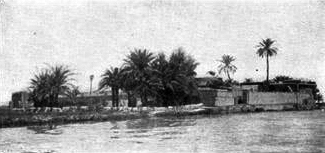

Overview and historical setting
Tradition places Ezra in the period after the Babylonian exile, during the 5th century BCE, when Persian rule allowed Jewish communities to return to Judah and rebuild religious life in Jerusalem. Biblical accounts describe him arriving in Jerusalem with a group of exiles, bringing copies of the Torah and restoring public worship, legal order, and covenant observance.
Roles and reforms
Ezra is characterized in the biblical narrative as both a priestly descendant and a skilled scribe. He is credited with public reading and teaching of the Torah to the people, prompting religious renewal. The texts associate him with measures to enforce the community's adherence to legal and ritual norms, including actions taken regarding intermarriage with non‑Israelite women.
Textual tradition and authorship
The Book of Ezra (often combined with Nehemiah in Jewish tradition) recounts his activities and those of other leaders in the return period. Scholars debate the precise authorship, dating, and historical details of the accounts, but agree that Ezra represents an important focal point for understanding the development of post‑exilic Judaism and the authoritative role of scripture and law.
Legacy and significance
Ezra's influence is seen in the emergence of synagogue study, the emphasis on Torah as the center of communal life, and the consolidation of Jewish identity after exile. He is remembered as a foundational teacher whose work helped shape religious and legal practices that endured in later Jewish and Christian traditions.
- Key roles: priest, scribe, teacher.
- Main contributions: public reading of scripture, legal and ritual reforms, community restoration.
- Sources: biblical Book of Ezra and related post‑exilic literature.
Questions and answers
Q: Who is Ezra in Judaism?
A: Ezra is a highly respected figure in Judaism.
Q: What is the pronunciation of the name Ezra?
A: The pronunciation of the name Ezra is /ˈɛzrə/.
Q: When did Ezra live?
A: Ezra lived between 480 and 440 BC.
Q: Is Ezra an important figure in Judaism?
A: Yes, Ezra is a highly respected figure in Judaism.
Q: What is the meaning of the name Ezra?
A: The meaning of the name Ezra is "help" or "helper".
Q: Is Ezra a common name in the Jewish community?
A: Yes, Ezra is a popular name among Jewish families.
Q: Was Ezra a prophet?
A: There is no conclusive evidence that Ezra was a prophet, but he was a scribe and a leader of the Jewish community during the Persian period.
Related articles
Author
AlegsaOnline.com Ezra: priest, scribe, and leader of the post‑exilic community Leandro Alegsa
URL: https://en.alegsaonline.com/art/33107
Sources
- jewishencyclopedia.com : Ezra the Scribe
- memrieconomicblog.org : Environmental and Cultural Terrorism --The Destruction of Iraqi Marshes and Their Revival: Some Personal Reflections
- jameswbell.com : Ezra's Tomb