
Eve (Bible)
Eve is the first woman in the Book of Genesis, described as created by God to be Adam’s companion. Her story explains origins, disobedience, and human mortality and has influenced religious, cultural, and literary traditions.
Overview
In the Hebrew and Christian scriptures, Eve is introduced as the first woman and, according to the narrative, the mother of the human world. The Genesis account presents her as made by God to serve as a wife and companion to Adam. That introduction establishes a foundational role: Eve is called the mother of all living in a text that addresses origins, kinship, and human responsibility.
Image gallery
10 Images


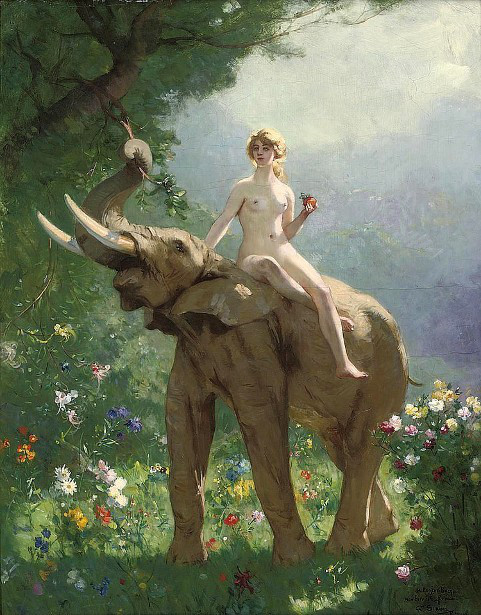


Genesis narrative
The biblical story places Eve in the Garden of Eden, a specially prepared setting where the first humans may eat freely of the plants there except for one prohibition. They are told not to eat the fruit from the Tree of the Knowledge of Good and Evil; the fruit from that tree becomes the focus of temptation. In the narrative a crafty serpent persuades Eve to eat the forbidden fruit. After she partakes, she gives the same fruit to her husband, often identified as Adam, who also eats. When both realize their nakedness the story records a change in their condition and relationship with the divine.
As a consequence of the disobedience, an angel is sent and the pair are banished from the garden so they cannot access the Tree of Life and remain immortal. The narrative also says that God clothes them and pronounces consequences that affect labor, pain in childbirth, and social relations between man and woman.
Children and descendants
The Genesis account continues with Eve’s role as a mother. She gives birth to sons and daughters who become the earliest figures in biblical genealogy. The text names her firstborn son as son Cain, whom she calls Cain, followed by a second son, Abel. The tragic episode in which Cain kills Abel leads to Cain’s exile. Later Eve bears another son, Seth, and is said to have other daughters, who together populate the emerging human community in the biblical genealogy.
Interpretations and theological significance
Eve’s story has been interpreted in multiple religious and cultural traditions. In many Christian readings her act of eating the forbidden fruit is linked with the doctrine of original sin and with themes of disobedience and redemption. Jewish interpretations often emphasize different aspects, such as the limits of human freedom and the complexity of moral knowledge. Islamic traditions name Eve but place different emphasis on the couple’s responsibility and repentance. Early extra-biblical writings and later apocryphal works expand the narrative into various moral and devotional reflections.
Notable themes and cultural legacy
- Symbolism: Eve frequently symbolizes human curiosity, the origin of moral awareness, and the source of life.
- Gender and authority: The story has been discussed for its statements about marriage, authority, and social order.
- Art and literature: Artists and writers have reworked Eve’s figure to explore fall and redemption, feminine agency, and the human condition.
- Alternative readings: Modern scholarship and feminist critique often reassess traditional charges of blame, offering readings that highlight Eve’s agency or invite broader moral conclusions.
Eve therefore remains a central and enduring figure in Western religious history: a character whose brief narrative has generated extensive theological debate, artistic representation, and cultural reflection. For a concise traditional account, see the Genesis narrative, and for historical and interpretive studies consult religious commentaries and scholarly surveys that trace how the figure of Eve was adapted across communities and eras.
Questions and answers
Q: Who is Eve?
A: Eve is the world's first woman, created by God to be a wife to Adam in the Book of Genesis.
Q: Where was Eve placed?
A: Eve was placed in the Garden of Eden.
Q: What fruit was Eve not allowed to eat?
A: Eve was not allowed to eat the fruit of The Tree of Knowledge of Good and Evil.
Q: What happens when Eve eats the forbidden fruit?
A: When Eve eats the forbidden fruit, she realizes she and her husband are naked and are banished from the garden.
Q: Who banished Adam and Eve from the garden?
A: An angel was sent to banish Adam and Eve from the garden.
Q: Who does Eve give birth to?
A: Eve gives birth to Cain, Abel, Seth, and daughters.
Q: What happens to Cain?
A: Cain kills Abel and is exiled.
Related articles
Author
AlegsaOnline.com Eve (Bible) Leandro Alegsa
URL: https://en.alegsaonline.com/art/32736