
Eutrophication: nutrient enrichment and ecological impacts
Eutrophication is nutrient enrichment of water bodies—mainly from nitrogen and phosphorus—that fuels algal blooms, depletes oxygen, harms aquatic life and human uses, and can be managed by reducing nutrient inputs.
Overview
Eutrophication describes the process by which a water body becomes enriched with chemical nutrients, triggering elevated plant and algal growth. It can occur naturally over geological time, but human activities have greatly accelerated the process—often called cultural eutrophication—changing water chemistry, food webs and habitat quality for aquatic organisms.
Image gallery
10 Images





How eutrophication develops
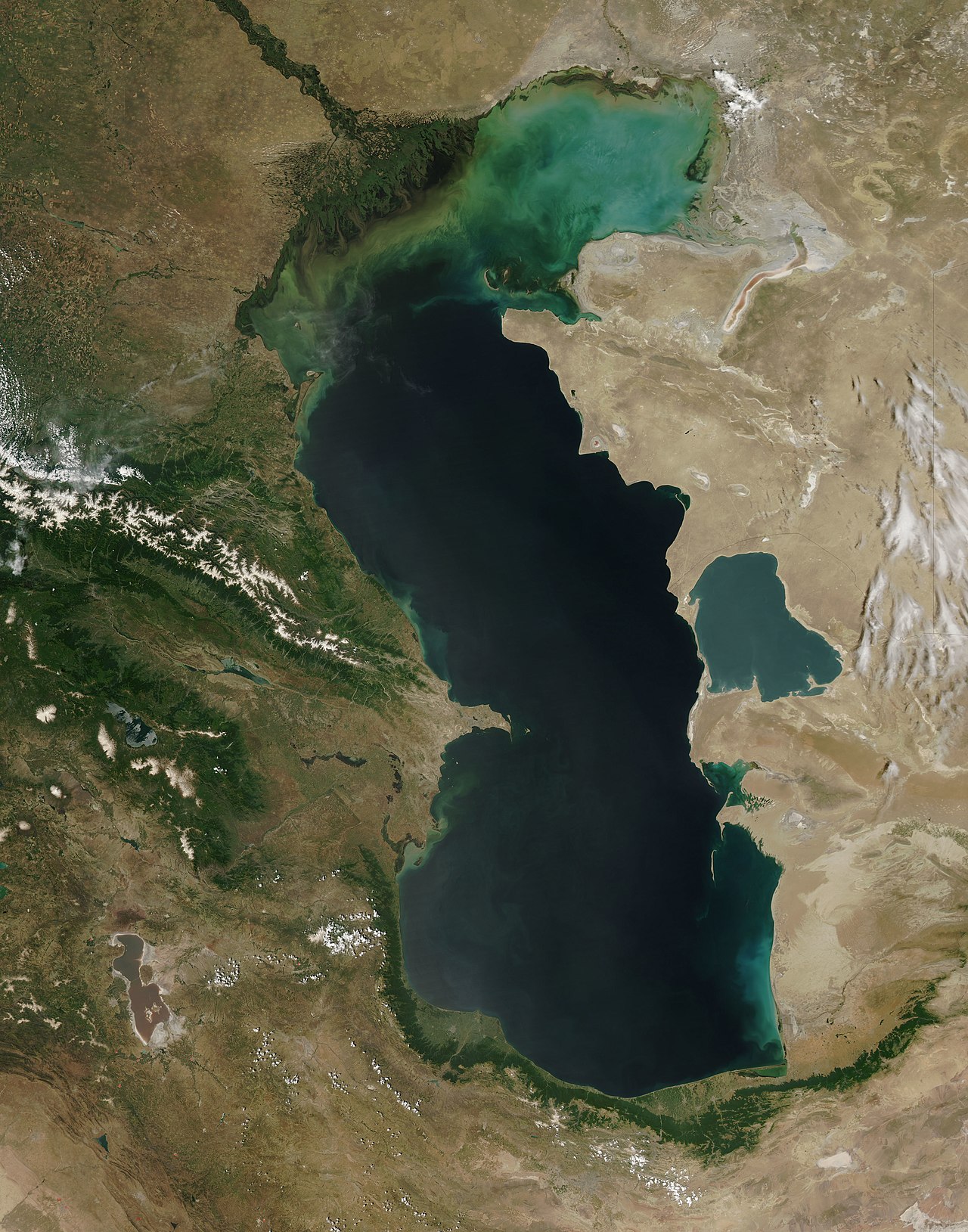
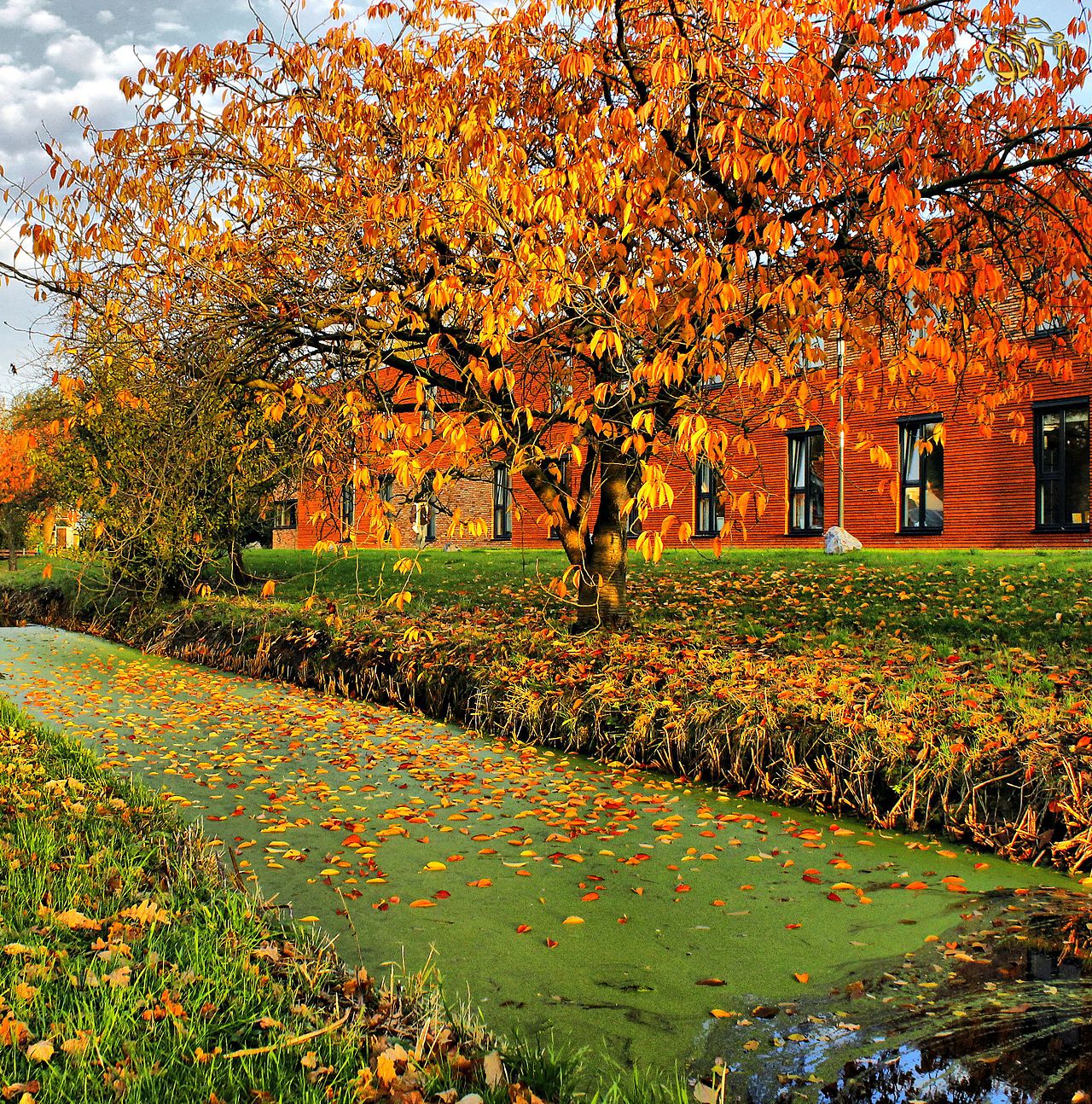
The phenomenon begins when extra nutrients, particularly phosphorus and nitrogen, enter an aquatic ecosystem. Elevated nutrient levels boost primary production and lead to dense growths of algae or cyanobacteria. When these organisms die and decompose, microbes consume dissolved oxygen, sometimes causing hypoxic or anoxic conditions that are lethal to fish and invertebrates. The visible symptom that often attracts attention is recurring algal blooms, which can discolor water and produce surface scum.
Typical sources
Excess nutrients commonly reach waterways as runoff from fertilized fields and lawns, direct discharge of sewage, and from soil loss through erosion. Land clearance, urban stormwater, leaking septic systems and atmospheric deposition from fossil fuel combustion also contribute. Point sources like wastewater treatment plants can be significant, but diffuse agricultural sources are often the largest contributors on a catchment scale.
Ecological and social impacts
Eutrophication reduces water clarity, smothers submerged plants, alters species composition and can create seasonal or persistent "dead zones" where oxygen levels are too low to support most animal life. Economically, it affects fisheries, recreational use, tourism and water treatment costs. Certain algal blooms produce toxins that threaten human and animal health and complicate drinking water supplies.
Management and mitigation
Addressing eutrophication focuses on reducing nutrient inputs and restoring natural processes. Common actions include:
- Improving fertilizer application and timing to reduce agricultural runoff.
- Upgrading wastewater treatment to remove nitrogen and phosphorus.
- Planting riparian buffer strips and restoring wetlands that retain nutrients.
- Controlling soil erosion and managing stormwater in urban areas.
History and notable occurrences
The problem has been recognized since the 20th century as industrial agriculture and urbanization expanded. Large coastal and estuarine "dead zones" and recurrent blooms in inland lakes have led to regional management programs. Examples of long-studied affected waters include many temperate lakes and shelf seas, where international and local efforts aim to reduce loads and rehabilitate habitats.
Distinctions and key facts
Natural eutrophication occurs slowly as waters accumulate nutrients from their watershed, but cultural eutrophication is rapid and driven by human land use. Not all algal blooms are toxic, yet even non-toxic blooms can be ecologically damaging by shading submerged plants and altering food webs. Effective responses combine scientific monitoring, regulatory controls and landscape practices to limit nutrient delivery to aquatic systems.
For more technical background and case studies, see linked resources: water body, ecosystem, nutrients, phosphorus, nitrogen, erosion, sewage and algal blooms.
Related articles
Author
AlegsaOnline.com Eutrophication: nutrient enrichment and ecological impacts Leandro Alegsa
URL: https://en.alegsaonline.com/art/32689