
Footprint: physical impressions, tracking, and digital traces
A footprint is an impression or trace left by a foot or a metaphorical trail of activity. Covers physical, biological and digital footprints, their uses, preservation, and distinctions.
Overview
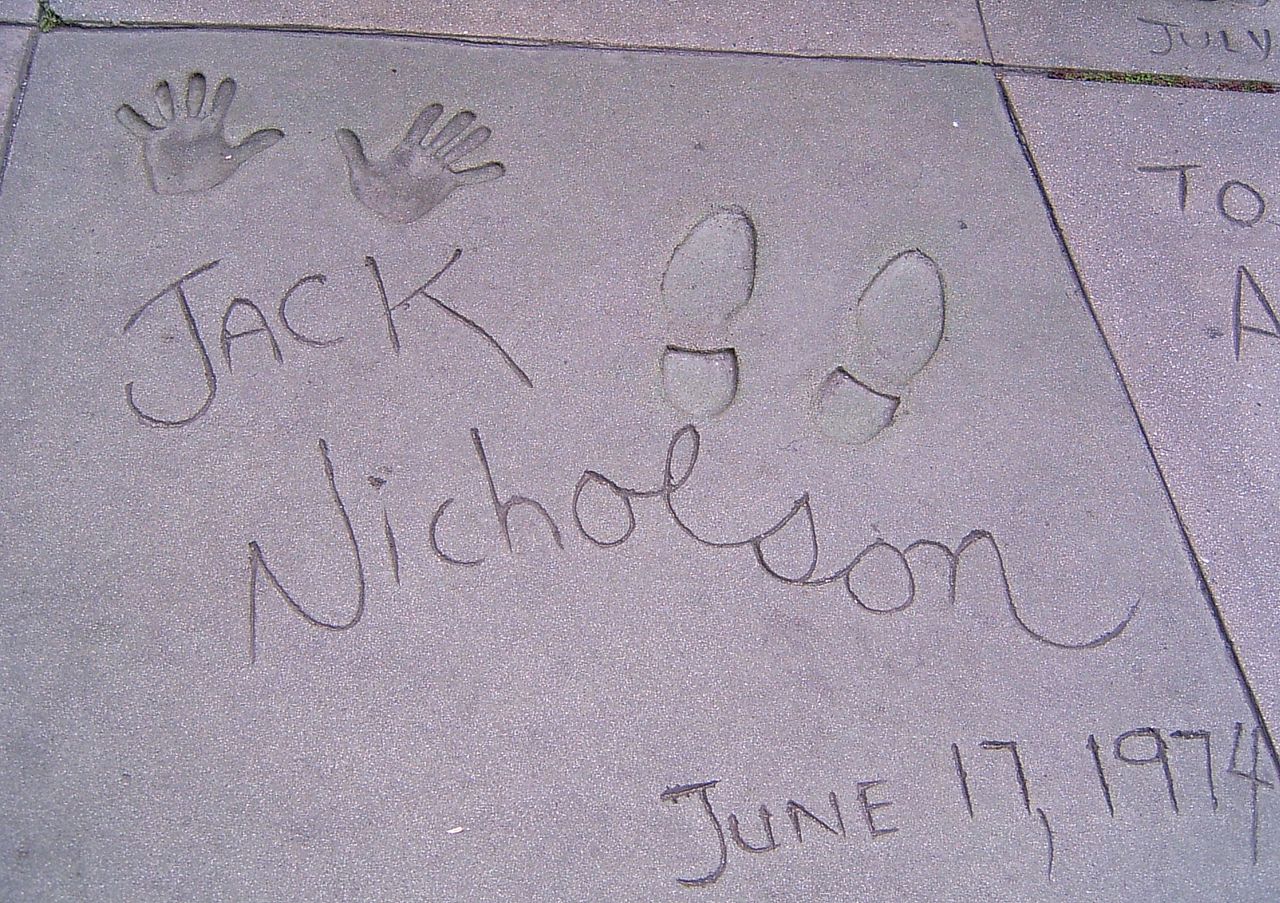
A footprint is a mark or impression left where a foot has contacted a surface. The term applies both to literal impressions made by human or animal feet and to metaphorical traces such as digital or ecological footprints. Physical footprints form when soft or receptive ground—mud, sand, snow or snowmelt—yields to pressure, or when a contaminated sole transfers material onto a surface. The pattern and context of footprints can convey information about size, gait, direction and activity.
Image gallery
10 Images




Physical and biological characteristics
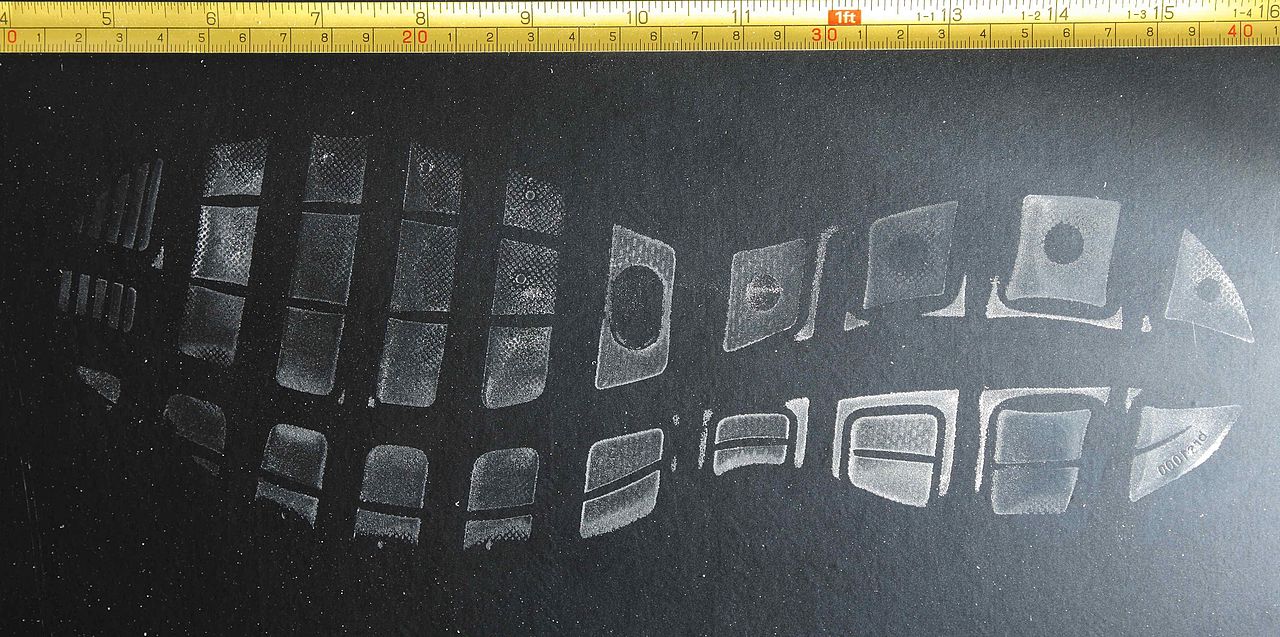
Physical footprints vary with substrate, weather and footwear. Natural prints show anatomical features such as toe or pad impressions, while shoe prints display tread patterns. A sequence of prints is called a trackway; individual marks in a trackway are tracks. Track morphology depends on weight distribution, speed, slipping and interaction with vegetation or debris. In wildlife biology, tracks enable species identification, estimation of speed and behavior, and study of habitat use without direct observation.
Uses, preservation and methods
Footprints are used in multiple fields. Hunters and trackers follow animal tracks; biologists use them to monitor populations; artists and cultural traditions sometimes incorporate footprints symbolically. In forensics, footprints and shoeprints can link a person to a scene. Preservation methods include photography, measuring, plaster casting, and three-dimensional scanning. Casts and digital records allow later analysis while minimizing disturbance of the original impression.
Forensics, archaeology and notable finds
Archaeologists study ancient footprints to infer behavior of past peoples—for example, group movement, barefooted activity, or interaction with environments. Well-preserved prehistoric trackways have provided rare snapshots of daily life and locomotion. Forensic investigators compare tread patterns, wear marks and dimensions to databases and suspects. Because footprints can be altered over time, careful documentation of context and substrate is essential.
Digital footprints
The expression "digital footprint" describes traces of a person's activity on the internet. These traces include information deliberately posted (social media updates, comments) and passive data created by background processes (server logs, cookies, device identifiers). Employers, marketers and investigators may use such data. An example of a passive trace is an IP address, which can indicate the network origin of a connection. For guides and resources about online privacy and behavior see the internet resources and privacy tools.
Distinctions and notable facts
- Types: physical (foot impressions), biological (animal tracks), digital (data traces), and metaphorical uses (ecological footprint describes resource use).
- Terminology: "track" for single mark; "trackway" for a series; "shoeprint" for footwear impressions.
- Limitations: footprints can be ambiguous—substrate deformation, overlapping prints and erosion complicate interpretation—so conclusions are often probabilistic.
Footprints, whether left in the soil or recorded as data, are valuable sources of information that must be interpreted with care and preserved where possible to support research, tracking and legal investigation.
Related articles
Author
AlegsaOnline.com Footprint: physical impressions, tracking, and digital traces Leandro Alegsa
URL: https://en.alegsaonline.com/art/35511
Sources
- dictionary.reference.com : Definition
- mydigitalfootprint.com : Definition digital footprint