
Fen (minerotrophic wetland)
A fen is a minerotrophic wetland with neutral to alkaline water, high plant diversity, peat accumulation, and distinct management and conservation needs.
A fen is a type of wetland that is supplied primarily by groundwater or surface waters enriched with dissolved minerals. Unlike acidic bogs, fens typically have neutral to alkaline pH and relatively high concentrations of dissolved minerals but low levels of readily available nutrients. These conditions support a distinctive community of grasses, sedges and so-called brown mosses (for example Scorpidium and Drepanocladus), and in many regions a diverse flora that can include carnivorous plants such as butterworts (Pinguicula).
Image gallery
10 Images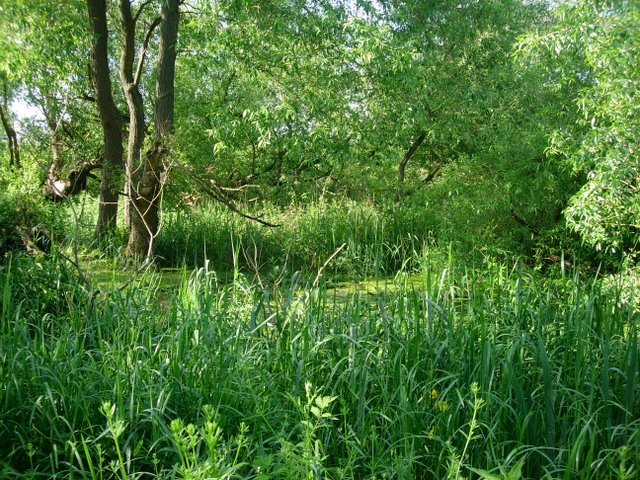


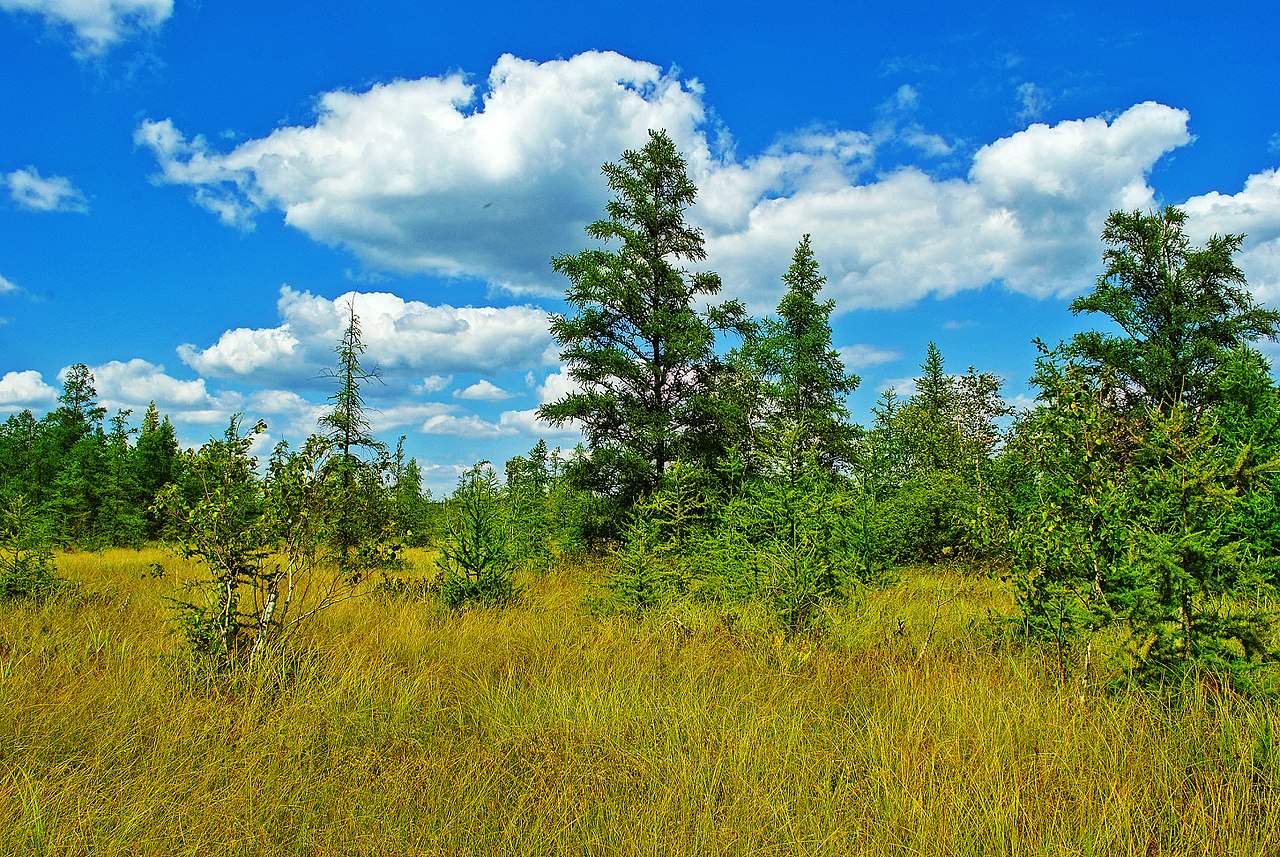
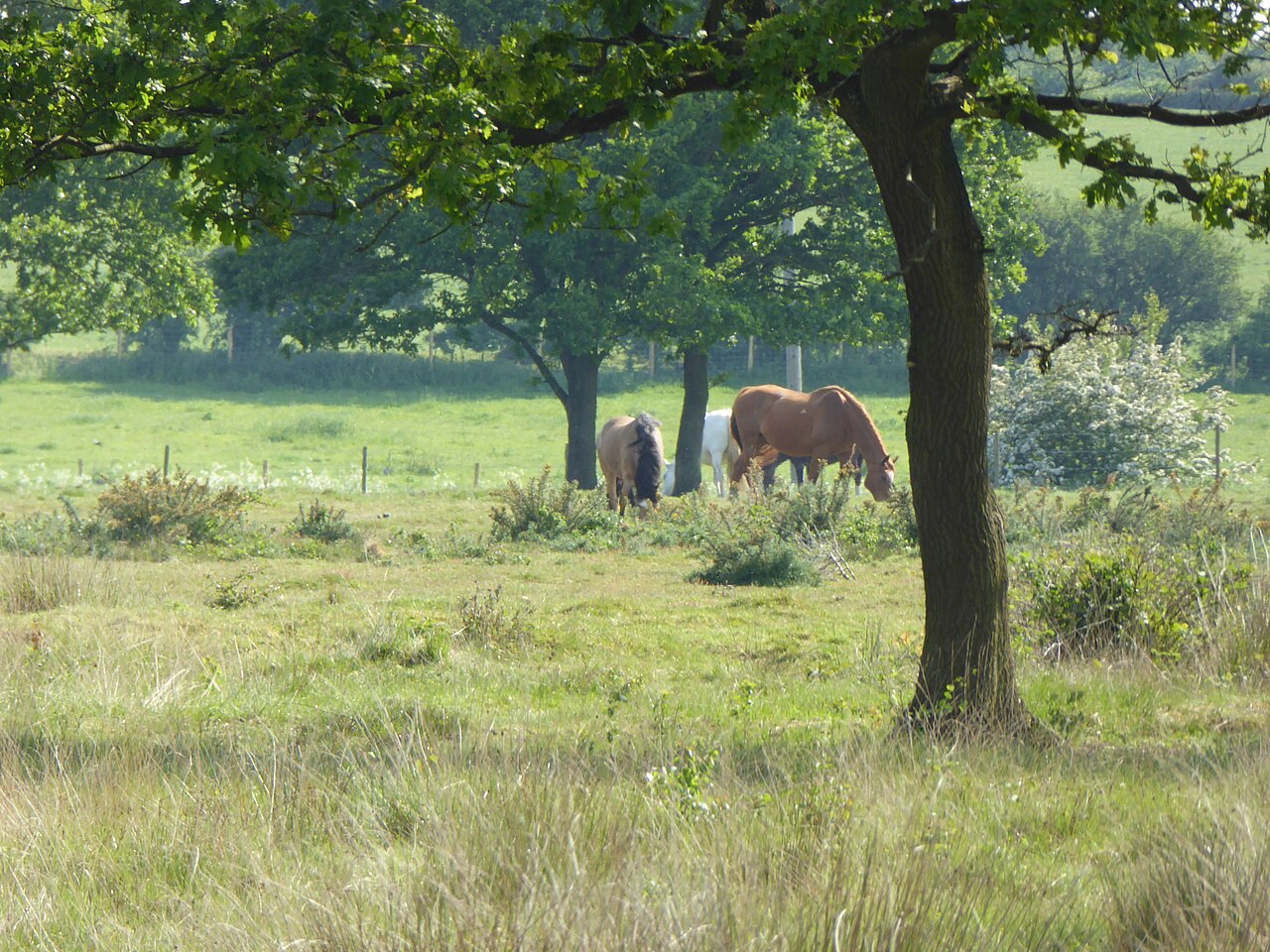

Characteristics and typical species
Fens are classed as minerotrophic wetlands because their chemistry is strongly influenced by mineral-rich groundwater or surface flow. Common physical and biological traits include:
- Neutral to alkaline water chemistry with higher dissolved calcium and magnesium than bogs.
- Peat formation, though peat in fens is often thinner or less acidic than in bogs.
- Vegetation dominated by sedges (Carex species), reed grasses, and a mosaic of mosses — especially brown moss genera — with shrubs or trees present only where water levels drop.
- High local plant species richness and the presence of certain "fen indicator" species that reveal water regime and nutrient status.
Formation, distribution and variation
Fens form where mineral-rich groundwater reaches the surface or where surface waters flow slowly over mineral soils, such as in valley bottoms, along lake margins and river floodplains, and around springs. Regional climate, geology and hydrology shape their character: some fens are permanently saturated, others experience seasonal fluctuations that create a shifting mosaic of wetter and drier zones. They occur in temperate and boreal regions worldwide and present a broad range of subtypes, from calcareous fens fed by alkaline springs to minerotrophic marshes influenced by river flooding.
Ecological importance and uses
Fens provide many ecosystem services. They offer habitat for rare and specialized plants and animals, support pollinators and birds, store organic carbon in peat soils, and help moderate water flows by absorbing and slowly releasing water. Because fen plant assemblages are sensitive to changes in water chemistry and hydrology, they also act as indicators of groundwater quality and landscape-scale environmental change.
Threats, management and restoration
Historically, fens have been degraded by drainage for agriculture, peat extraction, channelization, and nutrient enrichment from surrounding land. These impacts lower water tables, alter chemistry and promote invasion by woody plants. Modern conservation focuses on restoring natural hydrology and protecting water quality: common measures include blocking drains, reinstating groundwater flows, controlling nutrient inputs, and using grazing or mowing to prevent scrub encroachment. Successful restoration usually requires long-term monitoring of water levels and vegetation.
Further information and resources
- Overview of wetland types
- Mineral-rich water and hydrology
- Water pH and fen chemistry
- Alkalinity in wetland ecosystems
- Sedges, grasses and fen vegetation
- Brown mosses and fen bryophytes
- Differences between fens and bogs
- Sphagnum and peatland types
- Peat extraction and its effects
Because fens are defined by their hydrology and chemistry rather than by a single list of species, local surveys and hydrological studies are often needed to identify and manage specific fen sites. Conservation success depends on protecting groundwater sources and maintaining the subtle balance of water, minerals and vegetation that gives each fen its character.
Questions and answers
Q: What is a fen?
A: A fen is one of the four main types of wetland, usually fed by mineral-rich surface water or groundwater. It has neutral or alkaline water, with relatively high dissolved mineral levels but few other plant nutrients.
Q: What type of plants are typically found in a fen?
A: Fens are usually dominated by grasses and sedges, and typically have brown mosses such as Scorpidium or Drepanocladus. They may also contain carnivorous plants such as Pinguicula.
Q: How do individual species of fen plants vary?
A: The distribution of individual species of fen plants is often closely connected to water regimes and nutrient concentrations.
Q: How does a fen differ from a bog?
A: Fens are distinguished from bogs, which are acidic, low in minerals, and usually dominated by sedges and shrubs, with abundant Sphagnum mosses.
Q: What damage has been done to some fens in the past?
A: Some fens have been damaged in the past by land drainage and peat cutting.
Q: How can these damaged areas be restored?
A: Damaged areas can be restored with modern management methods that focus on restoring natural water flow regimes, maintaining the quality of water, and preventing invasion by woody plants.
Q: What are "fen indicator species"? A: Fen indicator species are certain plant species that provide the best indicators of environmental conditions within a given area.
Related articles
Author
AlegsaOnline.com Fen (minerotrophic wetland) Leandro Alegsa
URL: https://en.alegsaonline.com/art/33964