
European badger (Meles meles)
A medium-sized, social mustelid native to most of Europe; a burrowing omnivore known for setts, latrines, broad diet, and complex interactions with ecosystems and people.
Overview
The European badger (Meles meles) is a stocky, nocturnal mustelid native to almost all of Europe and parts of adjacent regions. It is the best-known member of its genus, Meles, and is commonly referred to simply as the badger in many parts of its range. The species is assessed as Least Concern by the IUCN because of its wide distribution and generally stable populations, though local trends vary.
Image gallery
10 Images




Appearance and social behaviour
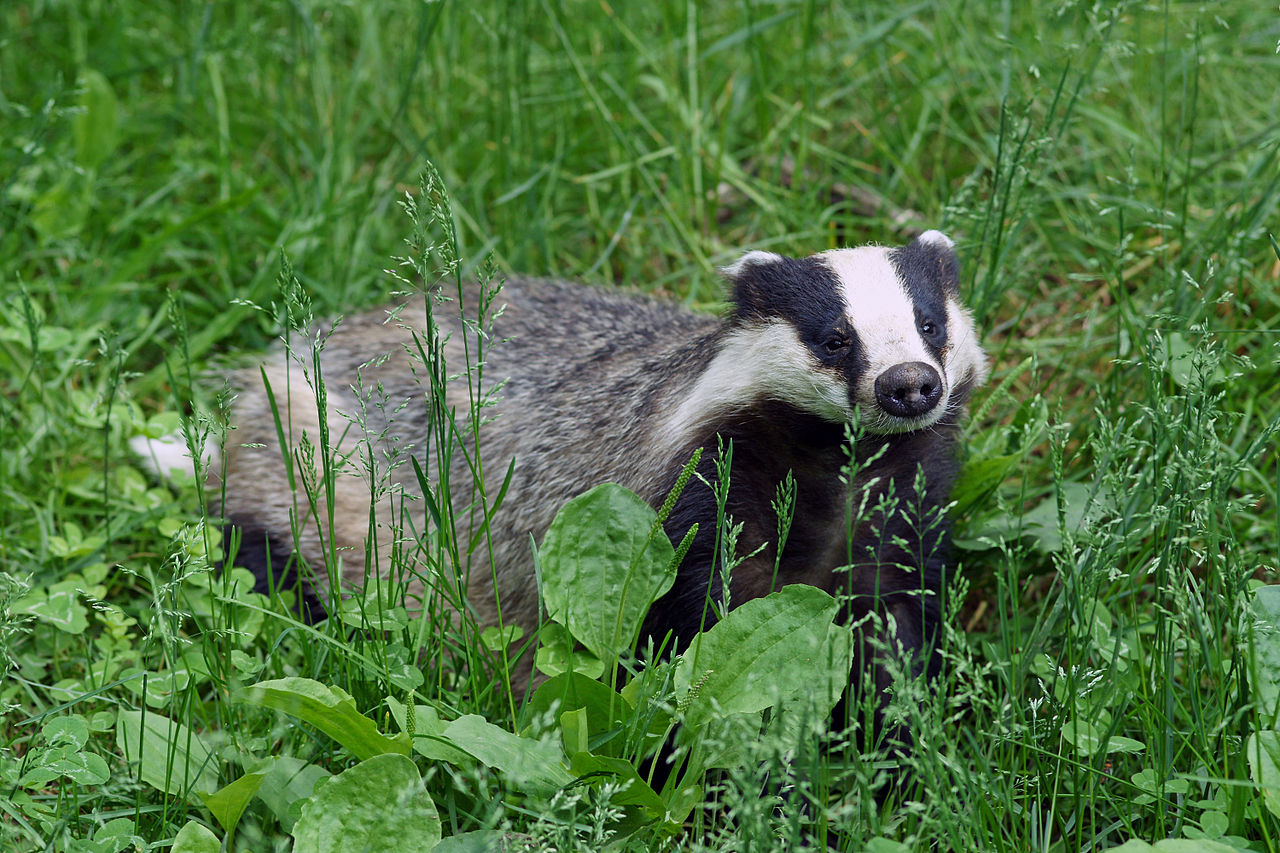
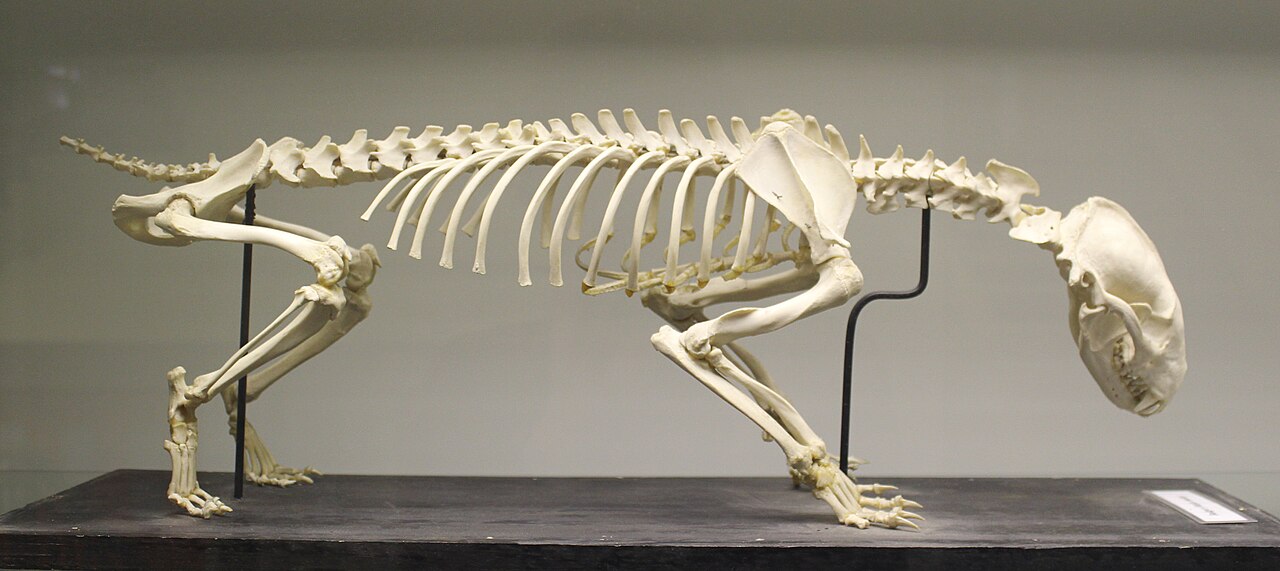
European badgers have a distinctive black-and-white facial pattern and a compact, low-slung body with short, powerful limbs adapted for digging. They are social animals that often live in extended family groups sharing complex burrow systems called setts. Group size and social structure differ by habitat and food availability; some setts are occupied continuously for many generations.
Habitat, burrows and sanitation
Badgers prefer mixed woodland, pasture and hedgerow landscapes where they can dig and forage. Their setts may have numerous entrances and chambers excavated into earth or under tree roots. Badgers are fastidious about these homes: they keep them clean, remove soiled bedding, and usually deposit feces in specific communal sites called latrines located near sett entrances or along territorial boundaries.
Diet and ecological role
The species is omnivorous and opportunistic. Earthworms and other invertebrates form an important part of their diet in many regions, complemented by fruits, roots, small mammals, insects, and carrion. By digging for food they influence soil aeration and nutrient mixing, and their latrines and foraging behaviour affect seed dispersal and invertebrate communities.
Interactions with other species
- Badgers sometimes share or cohabit parts of their setts with other animals such as rabbits: rabbits.
- They may tolerate transient presence of other carnivores like the red fox: red foxes, though direct competition can occur.
- While not major predators of pets, badgers are occasionally implicated in conflicts involving domestic animals or livestock, mostly through indirect effects such as disease transmission.
Conservation, cultural notes and notable facts
Conservation status is generally favorable, but badgers face threats from habitat change, persecution, road mortality and disease issues such as bovine tuberculosis in some regions. They figure prominently in European folklore and rural culture and have been both protected and controlled under different national laws. Naturalists have documented several noteworthy behaviours: communal use of latrines, lifelong maintenance of ancestral setts, and, in some accounts, ritualized burial or covering of dead group members—reports that are intriguing but variable across studies. For general species information see resources on the badger species page.
Related articles
Author
AlegsaOnline.com European badger (Meles meles) Leandro Alegsa
URL: https://en.alegsaonline.com/art/32598