
European honey bee (Apis mellifera): biology, behavior and importance
Comprehensive overview of the European or western honey bee (Apis mellifera): taxonomy, anatomy, social structure, communication, pollination role, beekeeping, threats and conservation considerations.
The European honey bee, commonly called the western honey bee (Apis mellifera), is the most widely managed species of honey-producing bee and an important pollinator in many agricultural and natural ecosystems. Native to Europe, parts of Africa and western Asia, it has been transported by humans to most regions of the world where it is kept for honey, beeswax and pollination services. The scientific name reflects classical language roots: Apis is Latin for "bee," while mellifera links to words for honey and bearing; historical discussion of the name and its early alternatives appears in older taxonomic literature (scientific accounts).
Image gallery
10 Images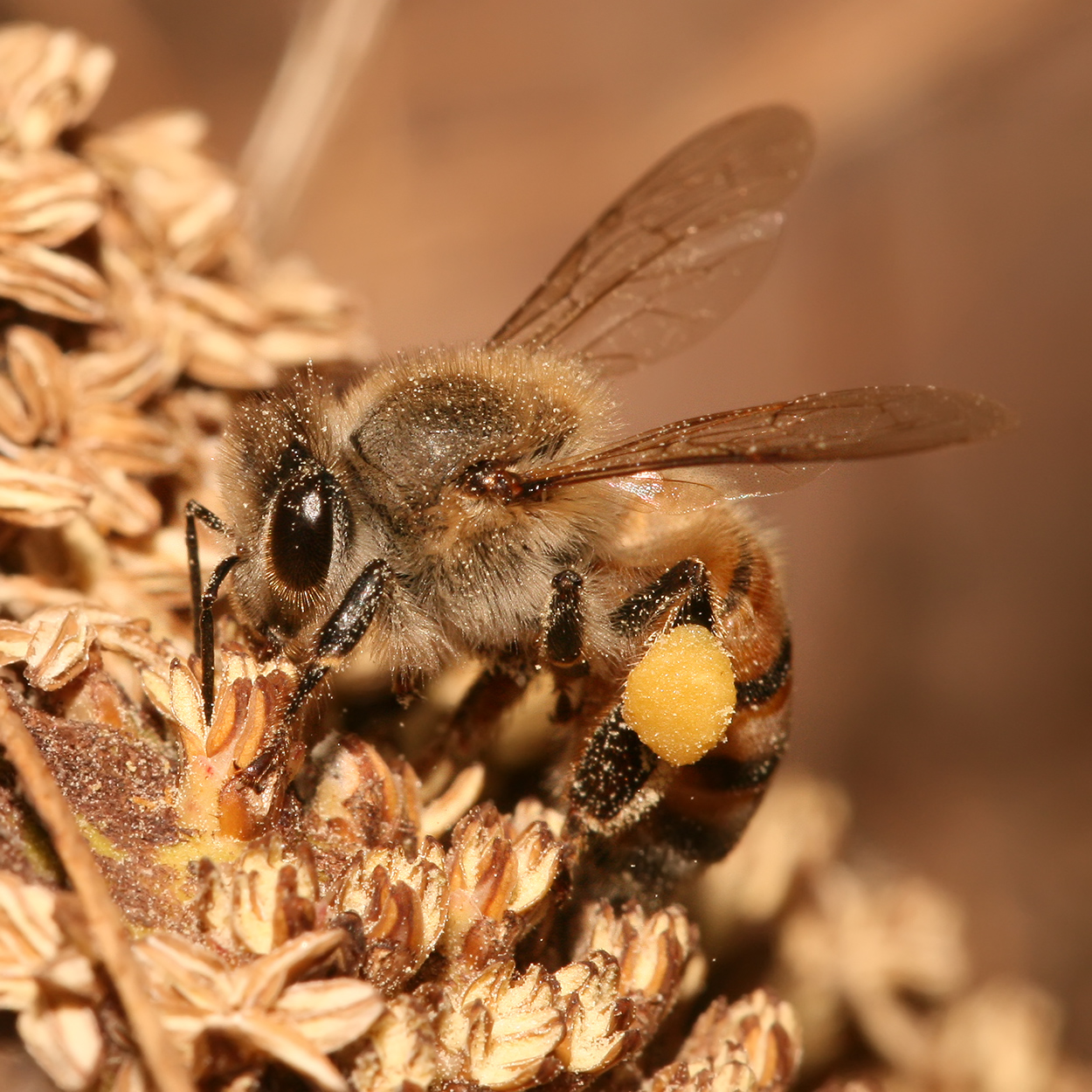


Taxonomy and distribution
Apis mellifera belongs to the genus Apis, which includes several closely related species of honey bees. Within A. mellifera there are many regional subspecies and locally adapted strains selected by nature and by beekeepers for traits such as climate tolerance, temperament and productivity. The species is a broadly generalist pollinator and has been introduced outside its native range to support agriculture and beekeeping activities (honey bee).
Anatomy and life cycle
Honey bees have a body plan typical of many bees: head, thorax and abdomen with specialized mouthparts, antennae and compound eyes. Workers, queens and drones differ in size, lifespan and reproductive capacity. Workers perform sequential tasks through their adult life, from in-hive duties such as brood care and comb construction to foraging outside the nest. Queens are the principal egg layers, and drones primarily exist to mate with virgin queens. Colony life cycles include growth phases, seasonal cycles and the reproductive event known as swarming, when a new colony is formed.
Social behaviour and communication
Honey bees are eusocial, relying on cooperative brood care, overlapping generations and reproductive division of labour. Communication within the colony uses pheromones, tactile signals and the famous waggle dance: foragers returning from a profitable food source convey direction and distance information through a patterned movement that other workers can interpret (waggle dance). The discovery and interpretation of this dance were milestones in the study of animal behaviour and attracted attention from several early researchers (historical researchers).
Foraging, honey production and storage
Foragers gather nectar, pollen, water and resins for different colony needs. Nectar is processed into honey by repeated regurgitation, enzymatic action and evaporation, then stored in wax comb cells as a stable carbohydrate reserve. Pollen supplies protein and other nutrients for brood rearing. Foraging patterns influence pollination of crops and wild plants; understanding bee foraging ecology helps manage pollination services and conserve floral resources (foraging ecology).
Beekeeping and human uses
Humans have practised beekeeping for thousands of years, using managed colonies for honey, wax, royal jelly and increasingly for crop pollination. Modern movable-frame hives allow inspection, disease management and selective breeding for desirable characteristics such as gentle temperament and resistance to pests. Practical guidance for hive design, seasonal management and disease control is widely available to hobbyists and commercial apiarists (beehive management).
Threats, health and conservation
Bee health can be affected by parasites (notably the Varroa mite), pathogens, poor nutrition, pesticide exposure, habitat loss and stress from long-distance transport for pollination services. Complex issues such as colony declines have led to research into integrated pest management, improved husbandry, habitat restoration and policies to reduce pesticide risks. Conservation efforts emphasize sustaining diverse pollinator communities and floral resources alongside managed honey bee populations to support resilient ecosystems.
Research, culture and notable facts
A. mellifera remains a central model for studies of social behaviour, communication, genetics and ecology. Its global importance for agriculture has cultural and economic dimensions, and continued study seeks to balance productive beekeeping with conservation of native pollinators and habitats. For readers seeking more detailed technical or practical information, entomological guides, extension services and specialist literature provide in-depth resources on identification, breeding, disease management and ecological interactions (Apis overview, honey bee, language roots).
- Key roles: A. mellifera is the principal managed honey bee and a major pollinator in many agroecosystems.
- Communication: Complex dances and pheromonal signalling coordinate colony activity (waggle dance).
- Management: Beekeeping practices and research aim to sustain colony health and pollination services (beehive management).
For historical context and foundational studies on bee behaviour and communication, consult summaries of classical research and modern reviews that trace discoveries made by early ethologists and later investigators (historical researchers).
Related articles
Author
AlegsaOnline.com European honey bee (Apis mellifera): biology, behavior and importance Leandro Alegsa
URL: https://en.alegsaonline.com/art/32614