
Eumetazoa — animals with true tissues and gastrulating embryos
Eumetazoa are animals that form true tissues and undergo gastrulation, including cnidarians, ctenophores and bilaterians. They develop organised germ layers and often possess nerves and muscles, making most animal diversity.
Eumetazoa is the clade of animals defined by the presence of organised, functional tissues and an embryo that typically undergoes gastrulation. In broad terms this group contains most familiar animal phyla, while excluding the main sponge lineages and some other simple forms. The distinction rests on developmental features such as germ-layer formation rather than on size or complexity alone; many eumetazoans have coordinated epithelia, muscles and nervous systems.
Image gallery
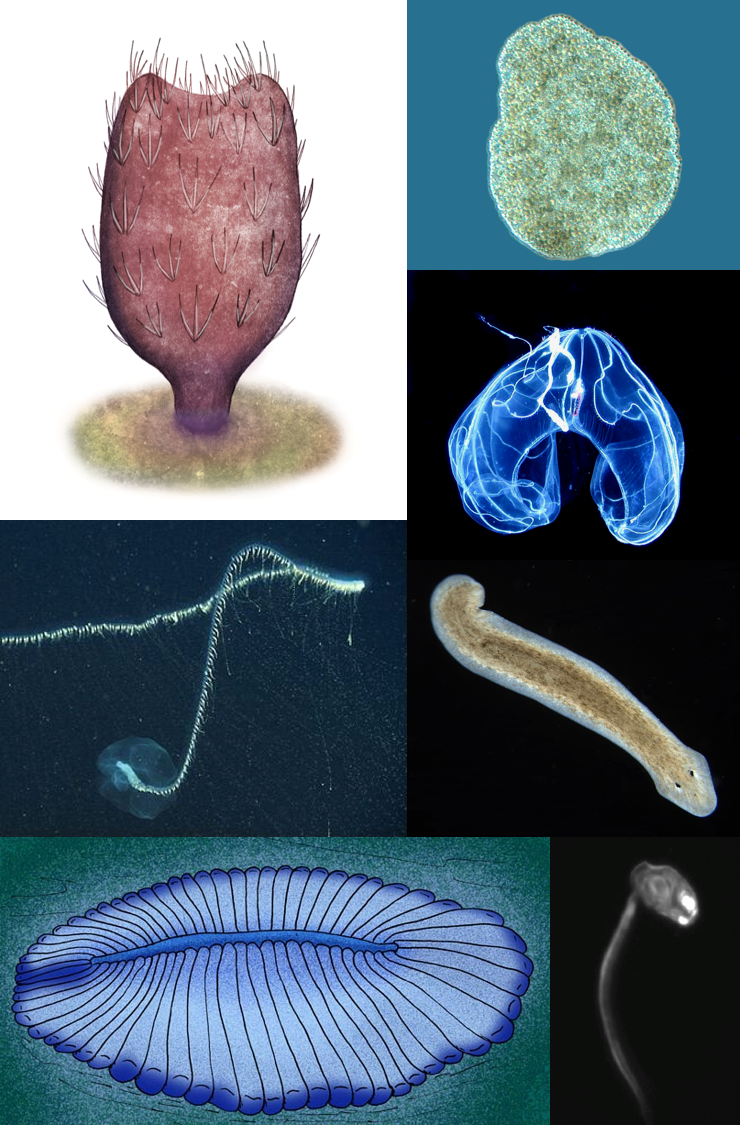
2 Images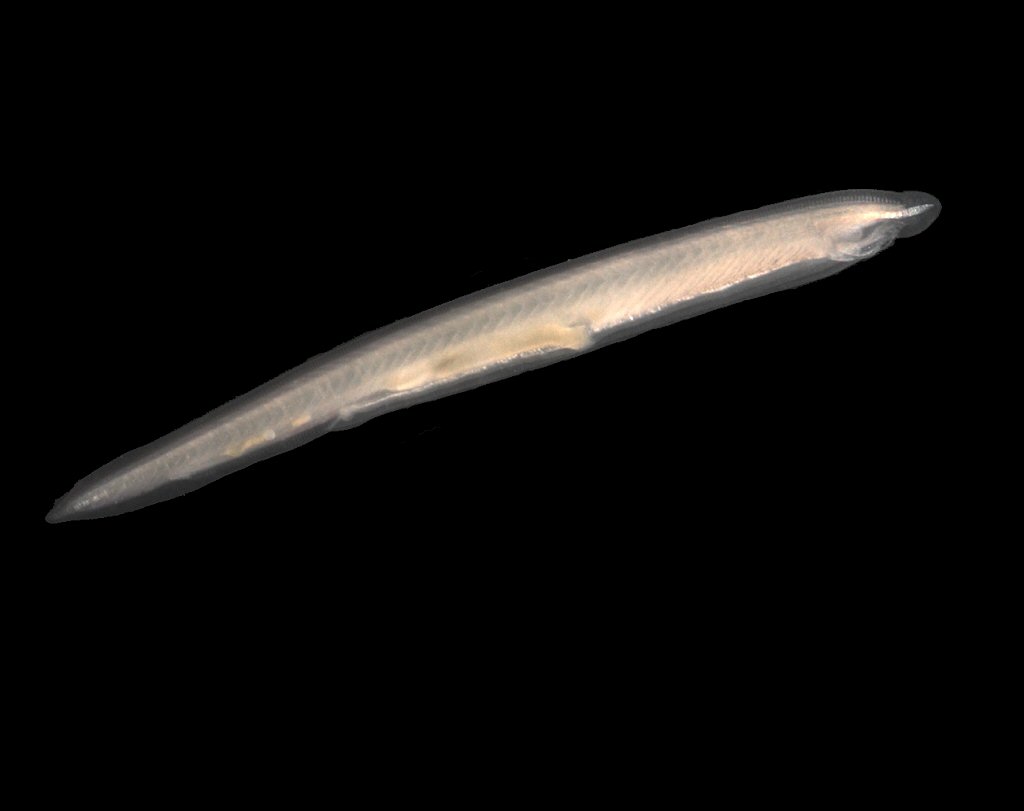
Key characteristics
Eumetazoans form at least two primary germ layers during embryogenesis (ectoderm and endoderm) and many are triploblastic, adding a mesoderm that permits more complex organs. Gastrulation, the process that produces those layers, is a central diagnostic feature. Most eumetazoans possess true neurons and synapses, and many show organised body cavities, digestive tracts and muscle tissue that enable directed movement and behaviour. Symmetry varies: radial symmetry is common in some groups, while bilateral symmetry with cephalization predominates in the Bilateria.
Major groups and diversity
The clade includes radially or biradially symmetrical animals such as cnidarians (sea anemones, corals, jellyfish) and ctenophores (comb jellies), and the vast and diverse Bilateria, which contains arthropods, mollusks, annelids and chordates. Eumetazoans occupy marine, freshwater and terrestrial habitats and account for the majority of described animal species.
Evolutionary background
Fossil and molecular evidence indicate that eumetazoans arose early in animal evolution and underwent major diversification by the time of the Cambrian radiation. The emergence of gastrulation and organised germ layers was a pivotal innovation that enabled more elaborate organs and body plans to evolve from simpler, tissue-poor ancestors such as many sponges.
Ecological and practical importance
- Eumetazoans are central to most ecosystems: they include primary consumers, predators, reef builders and soil invertebrates.
- They provide resources and services important to humans, from fisheries and pollination to laboratory model organisms and sources of pharmaceuticals.
- Some early-branching or simple lineages, for example the Placozoa, have uncertain placement in the animal tree and are the subject of active research into the origins of tissues and nervous systems.
Modern systematics combines morphology, embryology and molecular data to refine relationships within Eumetazoa. Several questions remain open—such as the precise branching order of the earliest eumetazoan lineages—but the core concept, that these animals form true tissues and undergo organised embryogenesis, remains a useful and widely recognised grouping.
Related articles
Author
AlegsaOnline.com Eumetazoa — animals with true tissues and gastrulating embryos Leandro Alegsa
URL: https://en.alegsaonline.com/art/32524
Sources
- species.wikimedia.org : Eumetazoa