
Eupleridae: the carnivores of Madagascar
Eupleridae are a family of carnivorous mammals endemic to Madagascar. The group includes eight species in seven genera, from the fossa to smaller civets and mongoose-like forms, adapted to diverse habitats.
The Eupleridae are a family of carnivorous mammals found only on the island of Madagascar. This group comprises eight recognized species distributed among seven genera and two subfamilies. Members of this family range from the cat-like fossa to smaller civet- and mongoose-like forms. They are an important component of Madagascar's unique fauna and illustrate how isolation can reshape the diversity of a mammal lineage.
Image gallery
10 Images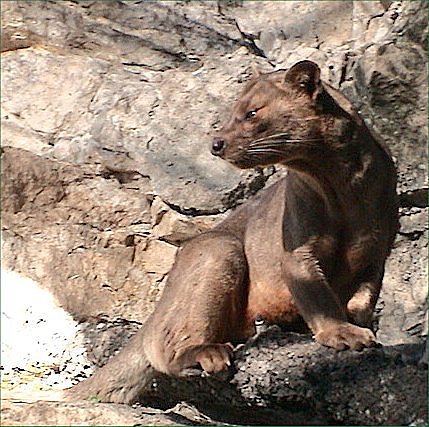


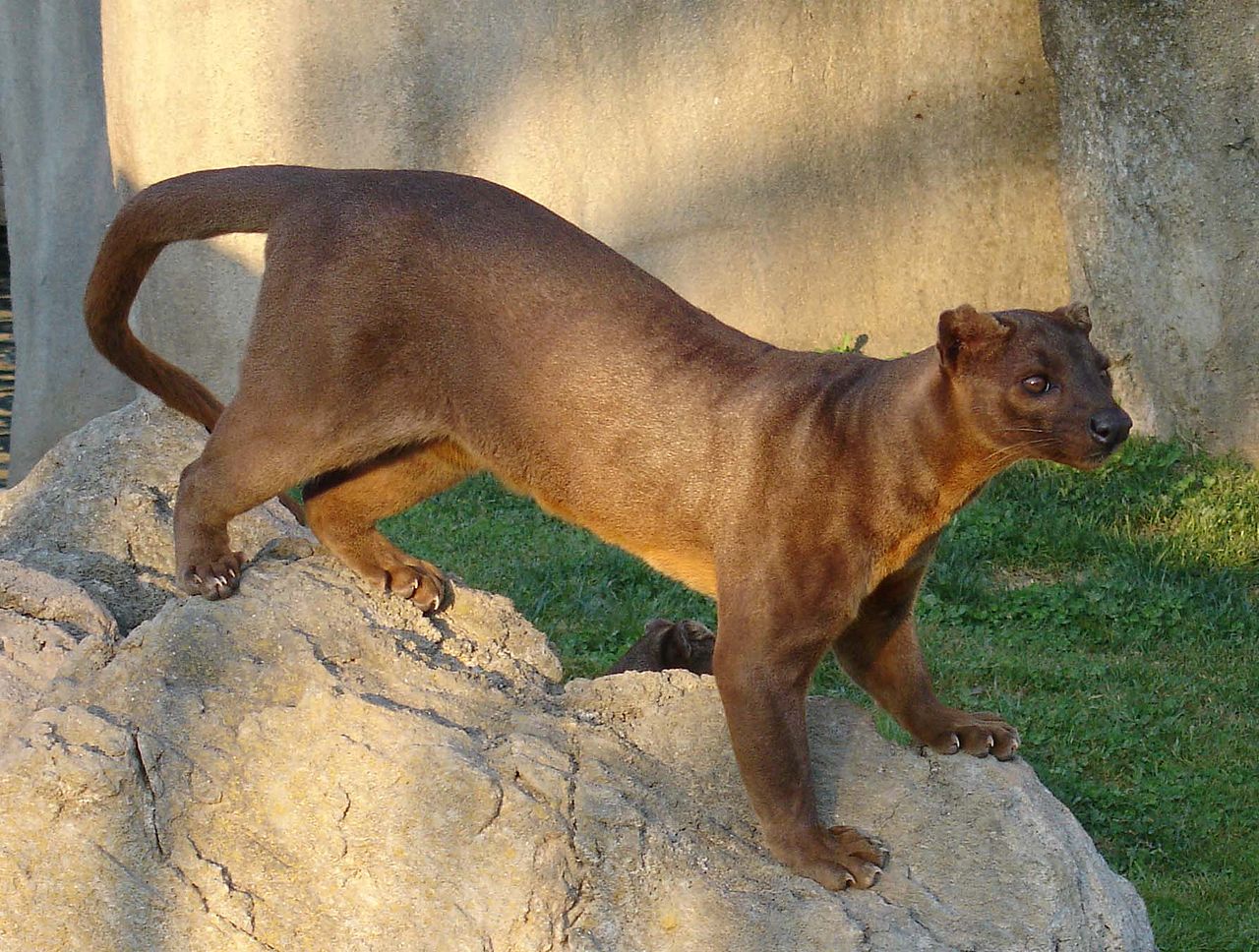

Characteristics and appearance
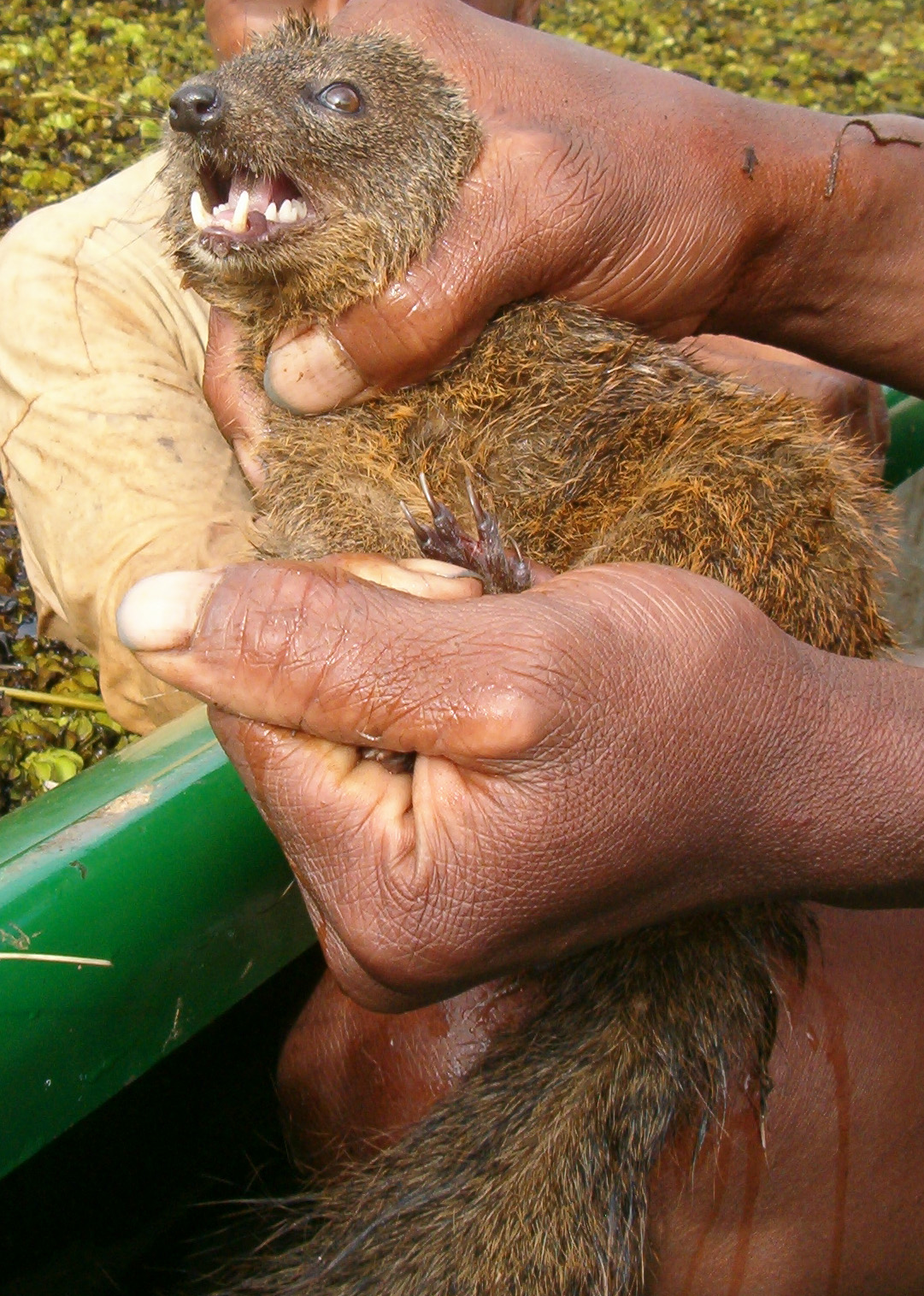
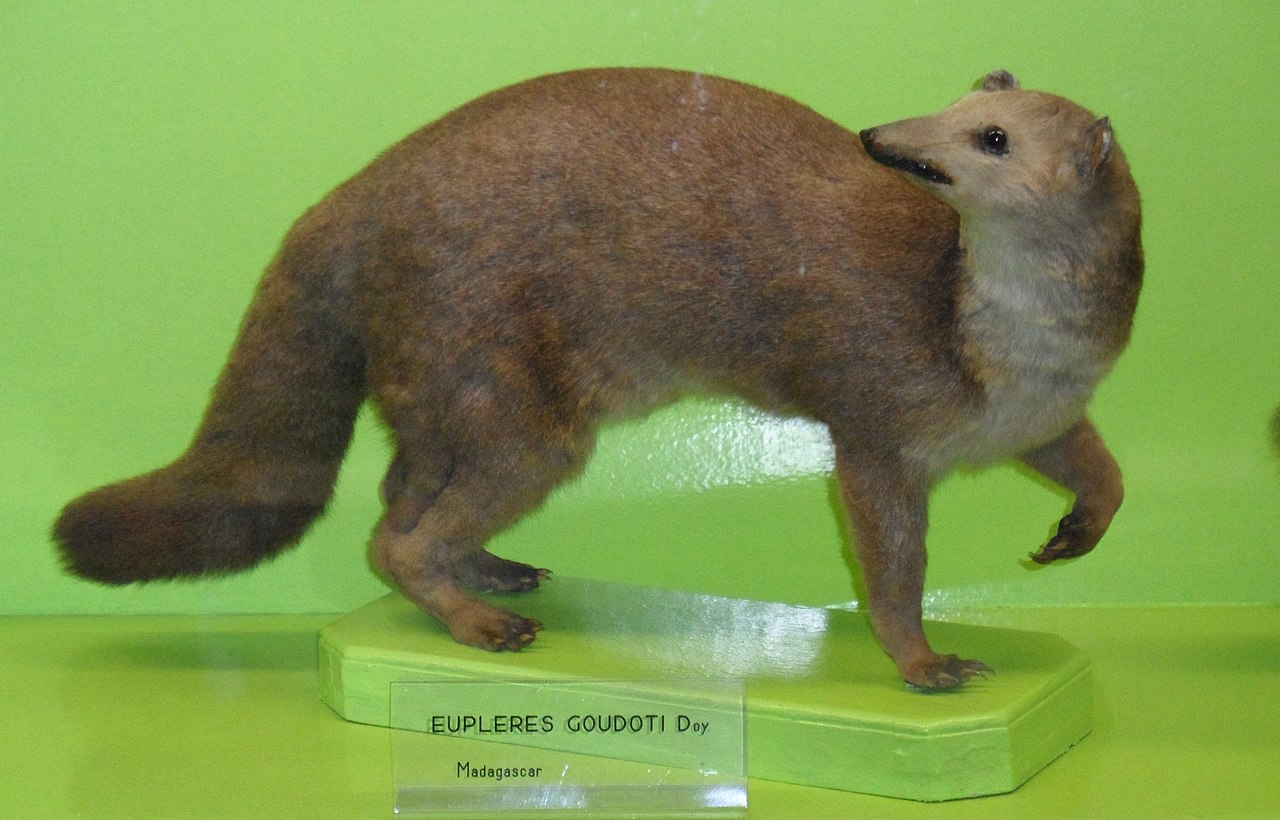
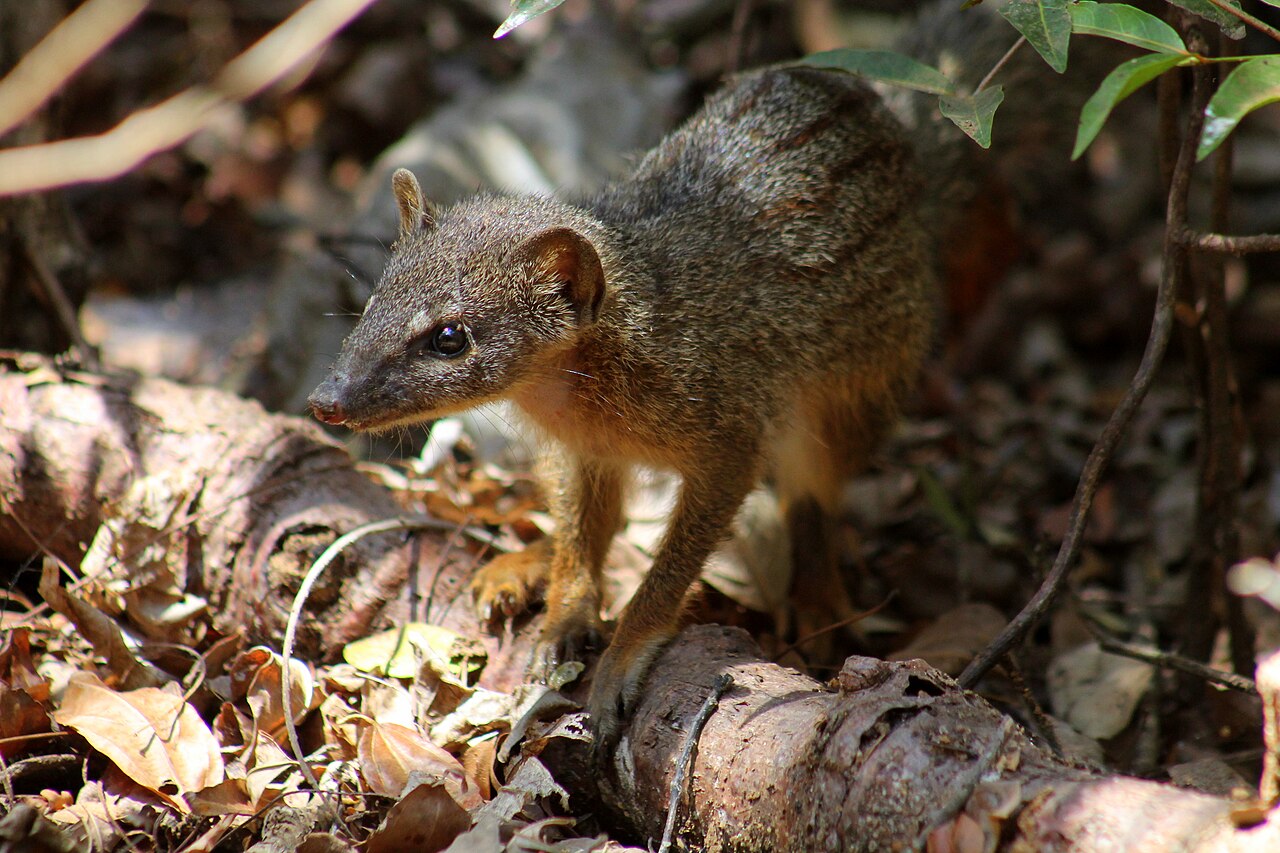
Euplerids are generally slender, with relatively small heads and elongated bodies. Adult head-and-body lengths vary roughly from 250 mm to 800 mm, reflecting the differences between the smallest civet-like species and the larger fossa. Fur texture, coloration, dentition, and limb proportions differ among genera, reflecting a range of ecological specializations from arboreal hunting to ground-based foraging.
Distribution, habitats and ecology
All euplerids are endemic to Madagascar and occupy a wide array of habitats. Some species are associated with dense humid forests, while others are found in open landscapes such as savannas or more arid zones. They can also be encountered in wetland environments such as marshes and swamps, and certain species tolerate drier, scrubby areas and deserts of the island.
Diet and behavior
Euplerids are primarily carnivorous, feeding on small mammals, birds, reptiles, amphibians, large insects, crustaceans and other invertebrates. Some species also take fruit opportunistically. Foraging strategies include arboreal pursuit, ground stalking and nocturnal hunting; however, particular habits vary by species and local conditions. The family displays a mix of solitary and more social tendencies depending on the species and ecological niche.
Origins and relationships
Genetic and morphological evidence indicates that euplerids form a distinct clade that colonized Madagascar from mainland Africa, likely via overwater dispersal several million years ago. They are closely related to the mainland mongooses (Herpestidae, commonly called mongooses), but they evolved in isolation into the unique assemblage seen today. The fossa and the Malagasy civet are among the more distinctive and ancient-looking members of the group.
Conservation and importance
Many euplerid species face threats from habitat loss, fragmentation, hunting, and competition or predation by introduced species such as dogs and cats. Conservation status varies by species and locality, but preserving Madagascar's forests and other natural habitats is central to their long-term survival. Euplerids are ecologically important as predators and, in some cases, seed dispersers when they consume fruit.
Notable distinctions and facts
- Taxonomy: eight species, seven genera, two subfamilies within Eupleridae.
- Size range: small civet-like forms to the larger, catlike fossa.
- Endemism: all members are restricted to Madagascar, reflecting a single colonization event and subsequent diversification.
- Research interest: euplerids are studied for insights into island evolution, predator ecology, and conservation biology (carnivore studies).
For further general reading on Madagascar's mammals and the euplerid group consult overview resources and species accounts at reputable organizations and databases (wetland and habitat guides, desert ecology, and field studies linked to savanna and forest research). Specialist literature and conservation assessments provide detailed, species-level information for those seeking in-depth data.
Questions and answers
Q: What is the family Eupleridae?
A: The family Eupleridae is a group of carnivores found in Madagascar.
Q: How many species and genera does the family Eupleridae have?
A: The family Eupleridae has eight species and seven genera in two subfamilies.
Q: What habitats do Euplerids live in?
A: Euplerids live in a variety of habitats, from humid forests, marshes, bogs, and swamps, to deserts and savannas.
Q: How did Euplerids end up in Madagascar?
A: Euplerids are descendents of ancestors which rafted over from Africa about 20 million years ago (mya).
Q: What are Euplerids closely related to?
A: Euplerids are closely related to mongooses.
Q: What are the most ancient surviving species in the group of Euplerids?
A: The fossa and the Malagasy civet (Fossa fossana) are believed to be the most ancient surviving species in the group of Euplerids.
Q: What do Euplerids eat?
A: Euplerids are primarily carnivorous, eating small mammals, birds, reptiles, frogs, insects, crustaceans, and other invertebrates. Fossa fossana and Galidia elegans may also eat some fruit.
Related articles
Author
AlegsaOnline.com Eupleridae: the carnivores of Madagascar Leandro Alegsa
URL: https://en.alegsaonline.com/art/32544
Sources
- ncbi.nlm.nih.gov : Molecular phylogeny of Carnivora