
Euphlyctis cyanophlyctis — Indian skipper or skittering frog
Semi-aquatic frog of South Asia, the Indian skipper (Euphlyctis cyanophlyctis) frequents ponds and rice fields. Known for skittering escape behaviour, insectivorous diet, and use as a freshwater bioindicator.
Overview
Euphlyctis cyanophlyctis, commonly called the Indian skipper or skittering frog, is a widespread semi-aquatic frog in parts of South Asia. It is most often associated with shallow freshwater habitats such as ponds, marshes, slow-flowing streams, irrigation channels and rice paddies. Individuals are frequently seen at the water’s edge, with eyes and nostrils held at or above the surface; when disturbed they make sudden, repeated leaps into water, producing a characteristic skittering movement and audible splash.
Image gallery
5 Images


Taxonomy and names
The species belongs to the family Dicroglossidae. Common names such as Indian skipper or skittering frog refer to its behaviour; scientific names reflect its placement in the genus Euphlyctis. Taxonomic treatments and subspecies concepts have varied in the literature, and related species in the region can be similar in appearance.
Distribution and habitat
E. cyanophlyctis is adapted to a range of lowland freshwater habitats and is often tolerant of moderate habitat disturbance. It occurs in natural wetlands as well as man-made waterbodies in agricultural and peri-urban landscapes. The species is typically restricted by the availability of standing or slow-moving water needed for breeding and larval development.
Appearance and identification
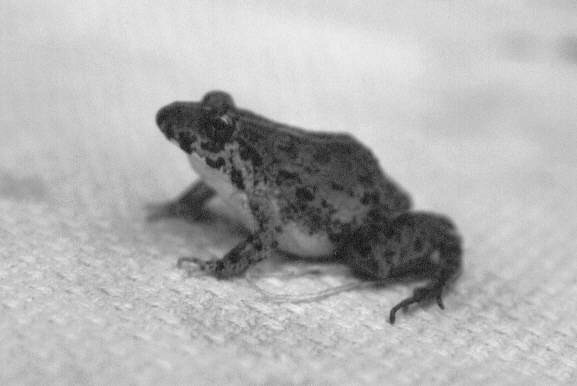
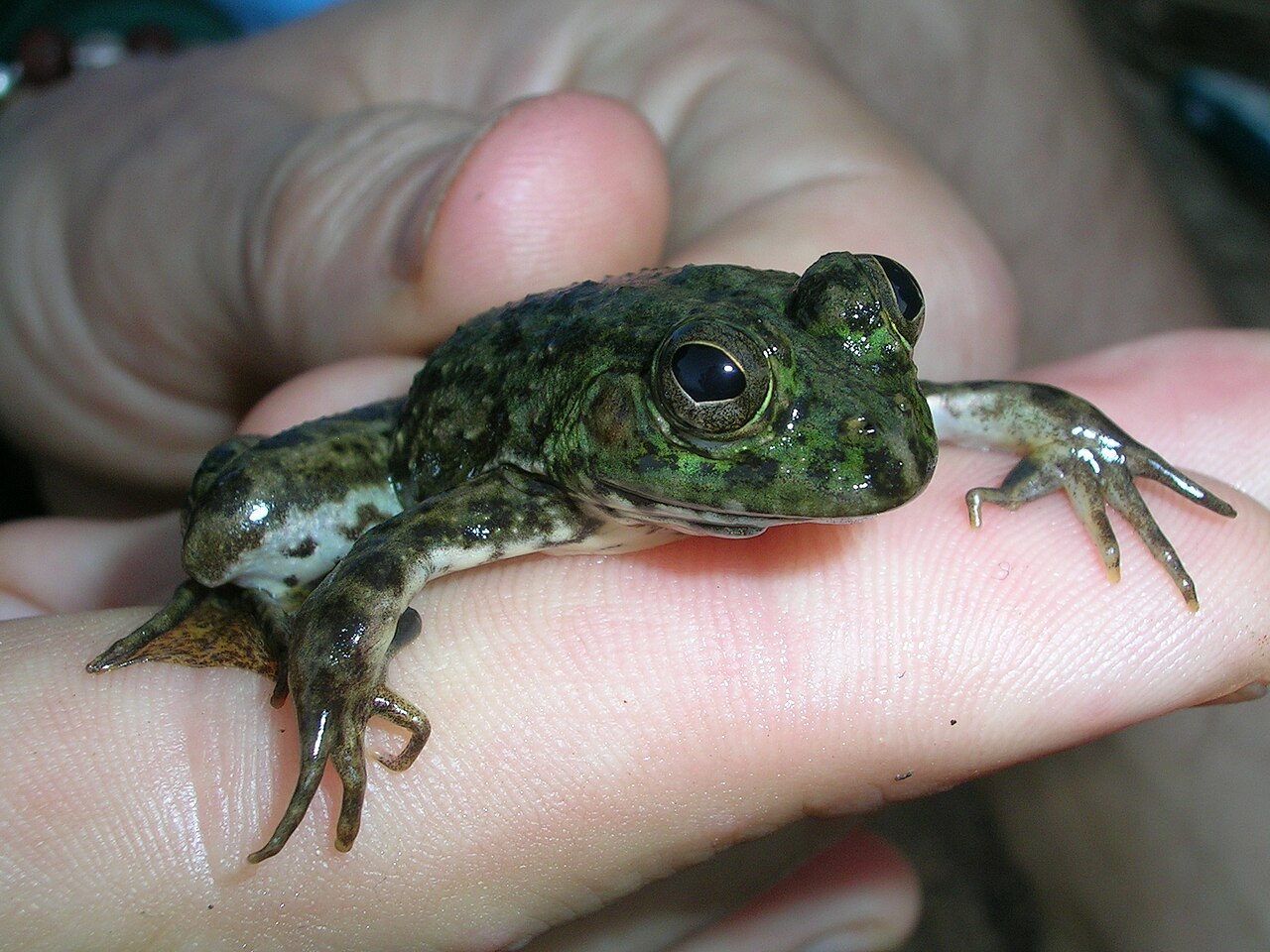
Adults tend to have smooth, moist skin and a streamlined body suited for swimming and jumping. Dorsal coloration ranges from olive to brown, sometimes with darker markings or speckling. Hind limbs are relatively long, and toes may be partially webbed. Field identification is aided by behaviour — a tendency to sit at water margins and to leap swiftly into the water at the first sign of threat.
Behaviour and diet
Euphlyctis cyanophlyctis is primarily nocturnal and crepuscular, actively foraging near water. It feeds on a variety of small invertebrates, including insects and other arthropods, capturing prey with a rapid tongue strike. Its frequent presence at wetland margins makes it an integral predator within local food webs.
Reproduction and development
Breeding usually takes place in standing or slow-moving water. Males call to attract females and amplexus occurs in water. Eggs are laid in aquatic clutches and hatch into tadpoles that develop through typical anuran larval stages before metamorphosing into terrestrial juveniles. The timing and success of breeding are influenced by seasonal rains, water quality and habitat permanence.
Threats, conservation and human interactions
Because it tolerates various disturbed freshwater habitats, the species is often common near agricultural areas and human settlements. Local threats include wetland drainage, pollution from agricultural runoff and urban expansion. However, its broad ecological tolerance means it is generally more resilient than many specialist amphibians. The species is frequently used informally as an indicator of wetland condition and helps control insect pests around ponds and fields.
Research, monitoring and notes for observers
Observations of Indian skippers contribute to amphibian surveys and community science projects. When recording sightings, note habitat type, behaviour, call presence and any visible threats such as pollution or habitat alteration. Careful photographic records and local natural history notes help distinguish this species from similar regional frogs.
- Typical habitats: ponds, ditches, rice fields, marsh margins
- Diet: small invertebrates, mainly insects
- Role: both predator and prey; useful wetland bioindicator
Related articles
Author
AlegsaOnline.com Euphlyctis cyanophlyctis — Indian skipper or skittering frog Leandro Alegsa
URL: https://en.alegsaonline.com/art/32536