
Europasaurus: the dwarf sauropod from Late Jurassic Germany
Europasaurus is a small, Late Jurassic sauropod from northern Germany. Known from multiple individuals, it provides one of the clearest examples of insular dwarfism in dinosaurs and informs sauropod growth studies.
Overview
Europasaurus is a small-bodied sauropod dinosaur discovered in northern Germany and dated to the Middle Kimmeridgian stage of the Upper Jurassic. Unlike the enormous, long-necked sauropods familiar from many fossil sites, Europasaurus individuals reached only a few metres in length. The taxon is important because it preserves multiple individuals of different ages and because anatomical and histological evidence indicate that these animals were adults that had evolved a reduced size compared with their mainland relatives.
Image gallery
10 Images





Physical characteristics and remains
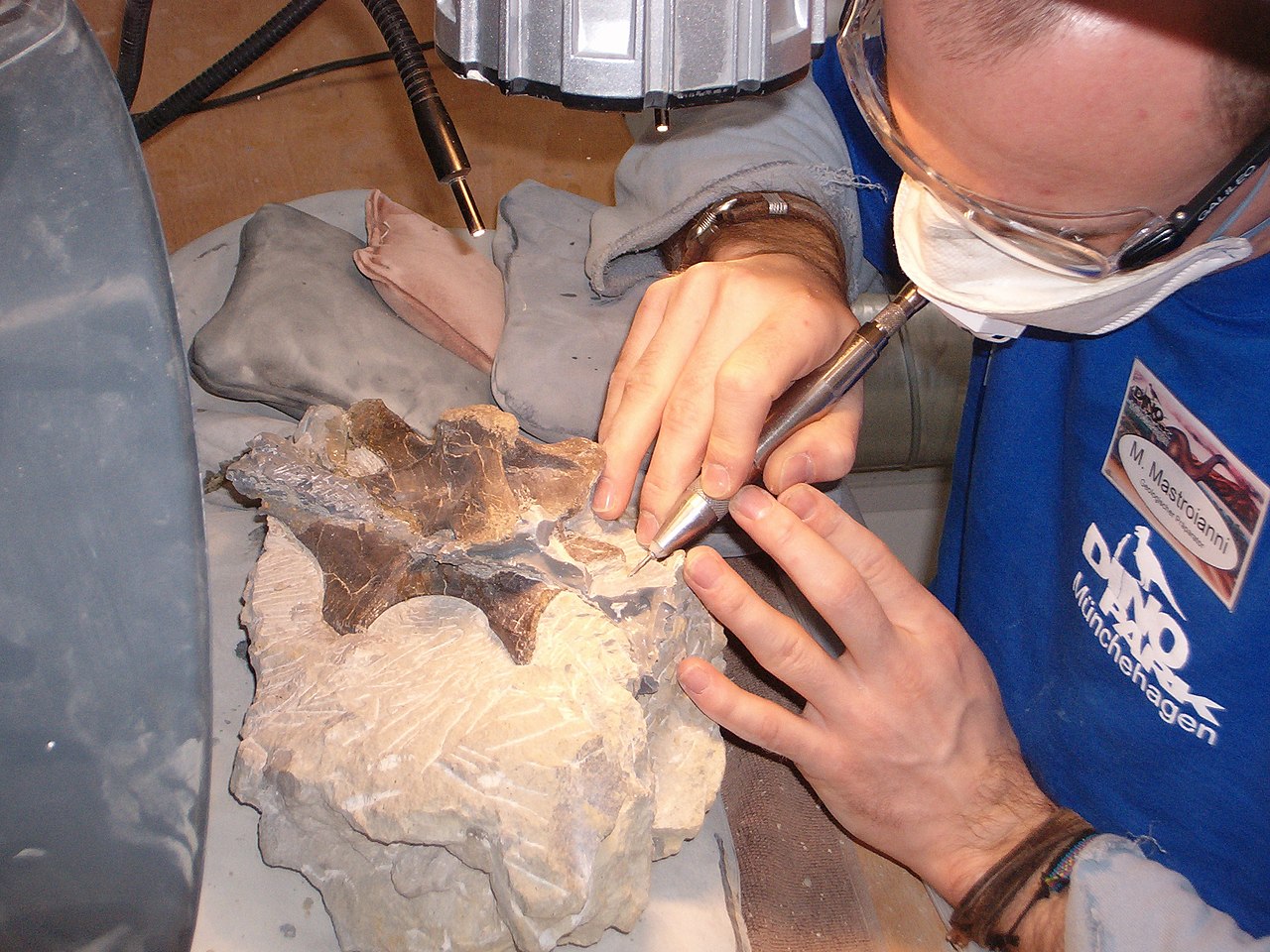
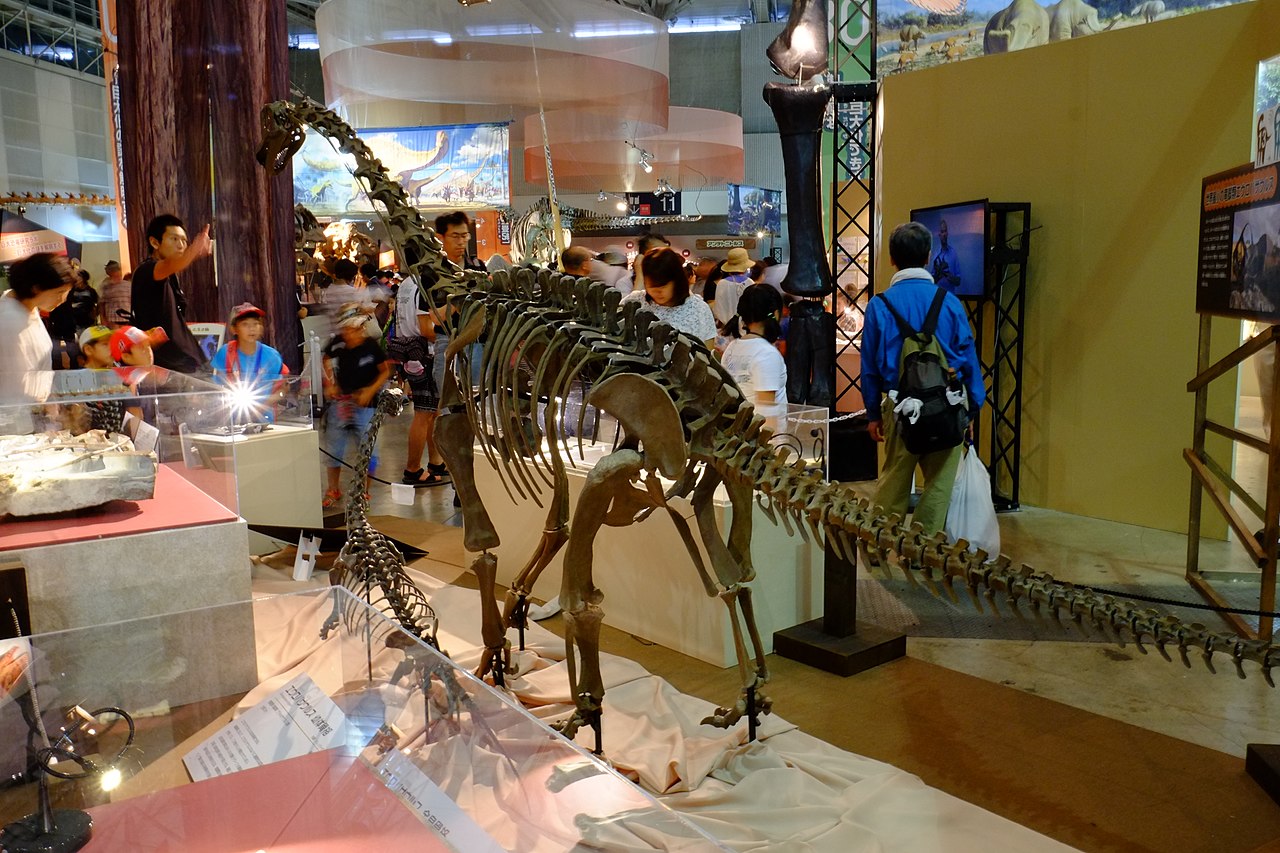
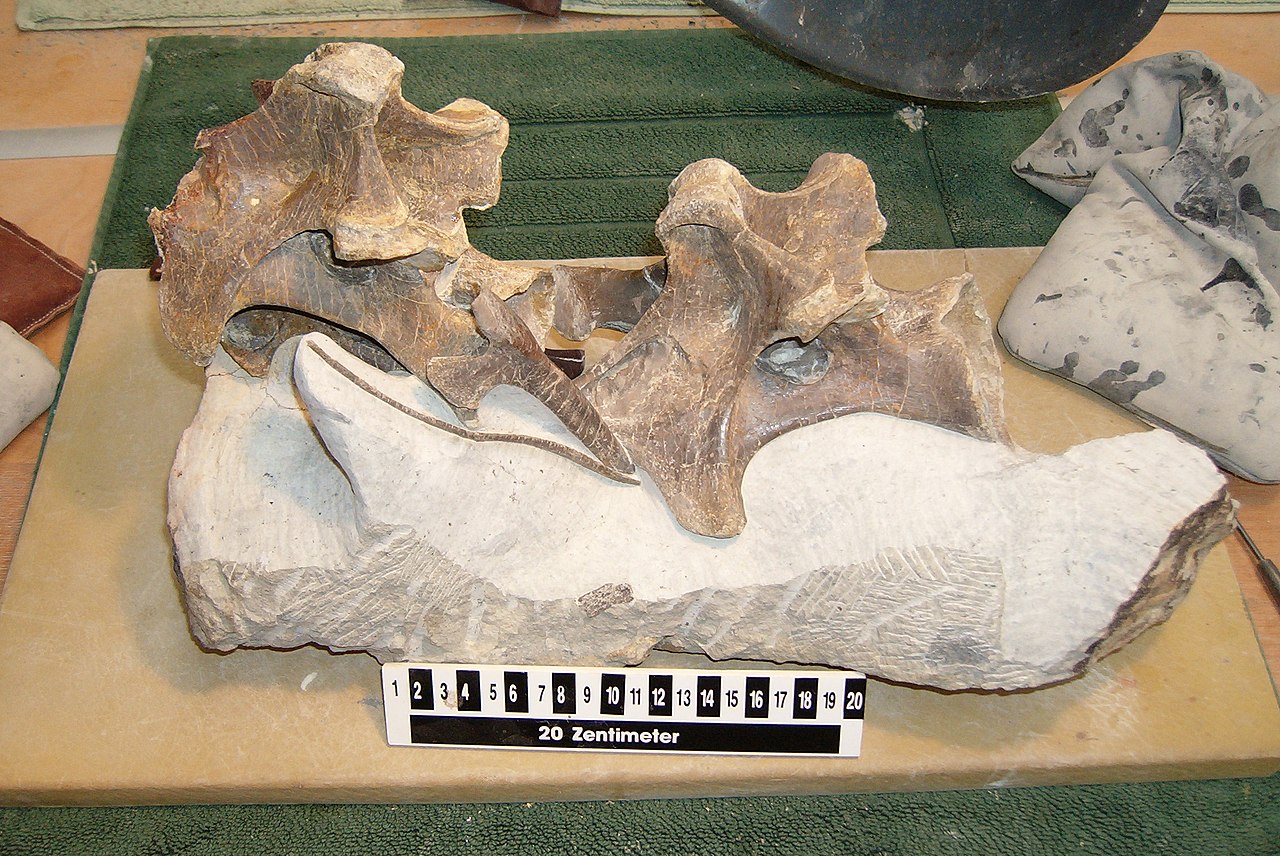
Fossils attributed to Europasaurus come from more than a dozen individuals with total lengths reported between about 1.7 m and 6.2 m, representing a range of growth stages from juveniles to fully grown adults. The preserved material includes vertebrae, limb bones and other postcranial elements but only limited skull remains, so reconstructions emphasise its overall sauropod body plan: a long neck relative to body size, columnar limbs, and a herbivorous dentition inferred from related taxa. Researchers have compared its anatomy with broader sauropod groups and often place it within the larger macronarian/titanosauriform spectrum, though precise relationships are the subject of ongoing study. Several anatomical features reflect its small size as well as typical sauropod adaptations for supporting a heavy trunk on four legs.
Evidence for dwarfing and bone histology
The best evidence that Europasaurus represents a truly dwarf species rather than simply small juveniles comes from bone histology. Microscopic study of growth patterns in limb bones reveals signs that some small individuals had reached skeletal maturity; growth had slowed and the bone tissues show markers consistent with adult age. Such studies rely on methods developed to read growth records preserved in bone, often referred to broadly as bone histology. Because small adult body mass is uncommon among sauropods, Europasaurus is widely cited as a clear example of evolutionary size reduction in this group.
Insular dwarfism and palaeoenvironment
Europasaurus is interpreted as a product of insular dwarfism, the reduction in body size that can occur when a population becomes isolated on islands with limited resources. Fossils were recovered from deposits of the Lower Saxony Basin, suggesting the animals lived on islands that dotted this seaway during the Late Jurassic. Resource limitation, altered predator-prey relationships, and population dynamics on islands can favour smaller adult size over evolutionary time, a phenomenon also documented for mammals such as dwarf elephants on Mediterranean islands.
Historical parallels and comparisons
The discovery of Europasaurus echoed earlier finds that hinted at island dwarfing in dinosaurs. A famous older example is the Transylvanian sauropod often called Magyarosaurus, first recognized by the aristocrat and early paleontologist Franz Nopcsa, who suggested island dwarfing after comparing dinosaur remains with known dwarf mammals. Nopcsa’s work, disrupted by the upheavals of World War I, was pioneering in linking palaeogeography and body size. Europasaurus provides more complete modern evidence supporting those early ideas.
Scientific significance and context
Europasaurus has contributed to several important themes in dinosaur science: the plasticity of body size in giant lineages, how island ecosystems shape evolution, and the use of histology to assess growth and maturity. It also provides a counterpoint to the typical image of sauropods as invariably gigantic. As part of broader comparative work, Europasaurus is discussed alongside other sauropods (sauropod) and groups such as titanosaurs (titanosaur), helping to clarify evolutionary pathways within the diverse clade of dinosaur reptiles. Fieldwork in the Germany region and study of remains from the Lower Saxony deposits continue to refine its chronology and palaeoecological setting.
- Age: Middle Kimmeridgian, Late Jurassic.
- Location: northern Germany, Lower Saxony Basin deposits.
- Significance: one of the clearest cases of insular dwarfism in sauropods.
For readers seeking more detailed technical descriptions, specialist literature and institutional reports provide extensive anatomical plates, histological data and stratigraphic context: consult museum publications and peer-reviewed papers for in-depth figures and measurements (sauropod, Upper Jurassic resources).
Questions and answers
Q: What type of dinosaur is Europasaurus?
A: Europasaurus is a basal sauropod from the titanosaur clade.
Q: When did Europasaurus live?
A: Europasaurus lived during the Upper Jurassic, about 154 million years ago.
Q: Where was Europasaurus found?
A: Europasaurus was found in northern Germany.
Q: How does its size relate to other sauropods?
A: It is an example of insular dwarfism, meaning it was much smaller than usual for a sauropod. Small sauroopods with an adult body mass less than five tonnes are rare, and small sauropod bones usually come from juveniles. This species was a small adult, based on its bone histology. It was a dwarf species.
Q: What range of sizes were seen among specimens of this species?
A: There are fossils from more than 11 individuals ranging in total body length from 1.7 to 6.2 m due to growth stages, from juveniles to fully grown individuals.
Q: What similar discovery took place at the start of the 20th century?
A: At the start of the 20th century, a local aristocrat named Franz Nopcsa found fossils on his estate in Transylvania that he realised might have lived on an island because he knew that dwarf elephants had lived on islands in the Ice Age; this find was recorded as Magyarosaurus.
Related articles
Author
AlegsaOnline.com Europasaurus: the dwarf sauropod from Late Jurassic Germany Leandro Alegsa
URL: https://en.alegsaonline.com/art/32591