
Eshanosaurus: Early Jurassic therizinosaur-like dinosaur from China
Eshanosaurus deguchiianus is an extinct genus known from a Lower Jurassic jaw fragment found in Yunnan, China; its classification as a therizinosaur and status as the earliest coelurosaur are debated.
Overview
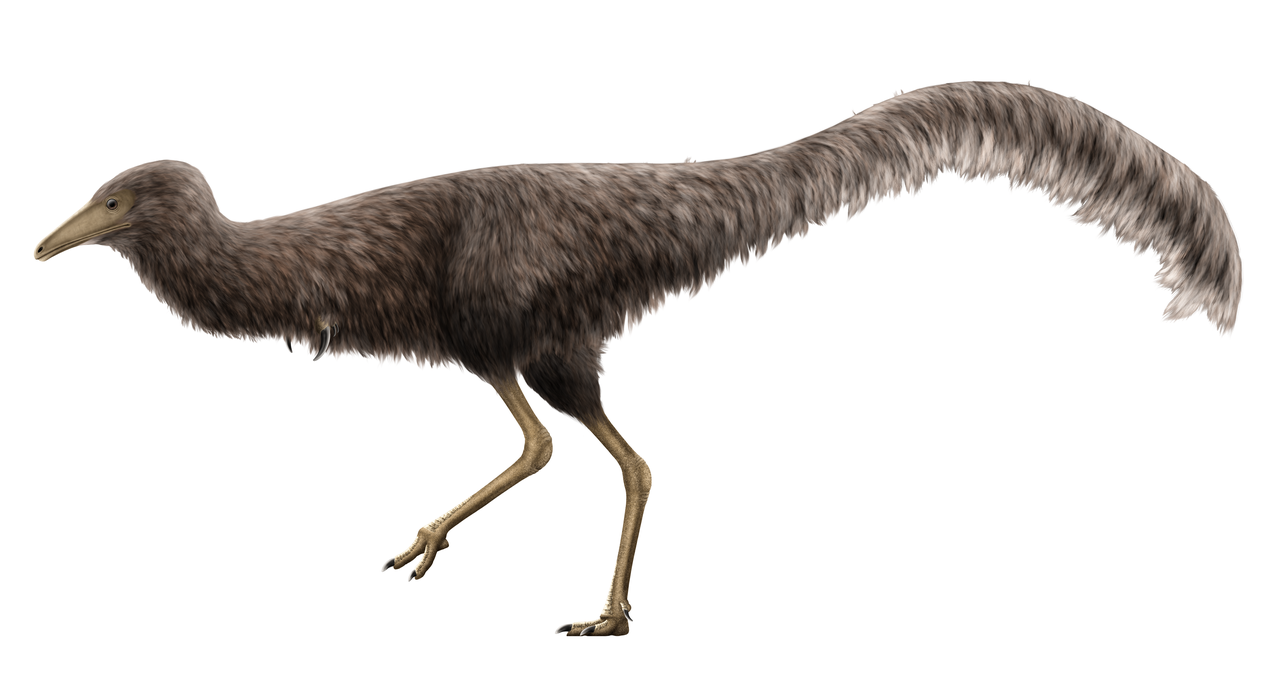
Eshanosaurus is an extinct genus represented by the type species Eshanosaurus deguchiianus, named in 2001. The taxon is known from a partial lower jaw with teeth recovered from Lower Jurassic deposits in China. If its theropod affinities are correct, it would represent one of the earliest records of coelurosaurian dinosaurs.
Image gallery
10 Images



Anatomy and identifying features
The known material is limited to a fragmentary dentary bearing several teeth. These teeth are often described as leaf-shaped and somewhat flattened, with serrations and a broad crown reminiscent of later therizinosaurs. Because the specimen is incomplete, diagnoses rely mainly on dental and jaw characters rather than on postcranial anatomy.
Discovery and classification
The specimen was reported from Lower Jurassic strata (commonly assigned to the Lufeng Formation) and described by paleontologist Xu Xing in 2001. Early assessments placed it among the therizinosaurs, a group of unusual, often herbivorous theropods. This identification connects therizinosaur traits to much older rocks than most other known coelurosaurs, which has important implications for dinosaur evolution.
Significance and ongoing debate
Because most early coelurosaurs are known from later Jurassic or Cretaceous rocks, Lower Jurassic occurrences such as this are notable. However, the assignment is controversial: some researchers accept the therizinosaur interpretation, while others argue the jaw shares similarities with early sauropodomorphs or cannot be confidently placed. The uncertainty illustrates how fragmentary fossils can produce competing hypotheses about early dinosaur diversification.
Key points and context
- Holotype material: fragmentary lower jaw with teeth.
- Age and location: Early/Lower Jurassic deposits in China, often linked to the Lufeng sequence.
- Taxonomic importance: potentially the earliest coelurosaur if the therizinosaur affinities hold.
- Controversy: alternative interpretations and limited material keep its status provisional.
Why it matters
Dinosaurs such as this are valuable because they inform discussions about the timing and sequence of major evolutionary trends, including the rise of coelurosaurian theropods and the appearance of herbivorous adaptations within traditionally carnivorous lineages. Ongoing fieldwork and new discoveries in the same formations may help resolve the phylogenetic position of Eshanosaurus and clarify early dinosaur evolution.
Related articles
Author
AlegsaOnline.com Eshanosaurus: Early Jurassic therizinosaur-like dinosaur from China Leandro Alegsa
URL: https://en.alegsaonline.com/art/32164