
Erythropoietin (EPO): physiology, therapeutic uses, and notable facts
Erythropoietin (EPO) is a kidney-derived hormone that stimulates red blood cell production. This article covers its biology, clinical uses, synthetic forms, risks, and issues such as doping.
Overview: Erythropoietin, commonly abbreviated EPO, is a naturally occurring hormone that plays a central role in the production of red blood cells. In adults most circulating EPO is produced in the kidneys, where specialized cells sense oxygen levels and increase EPO secretion when tissues are hypoxic. The result is stimulation of the bone marrow to generate more erythrocytes, improving oxygen delivery to tissues.
Image gallery
5 Images


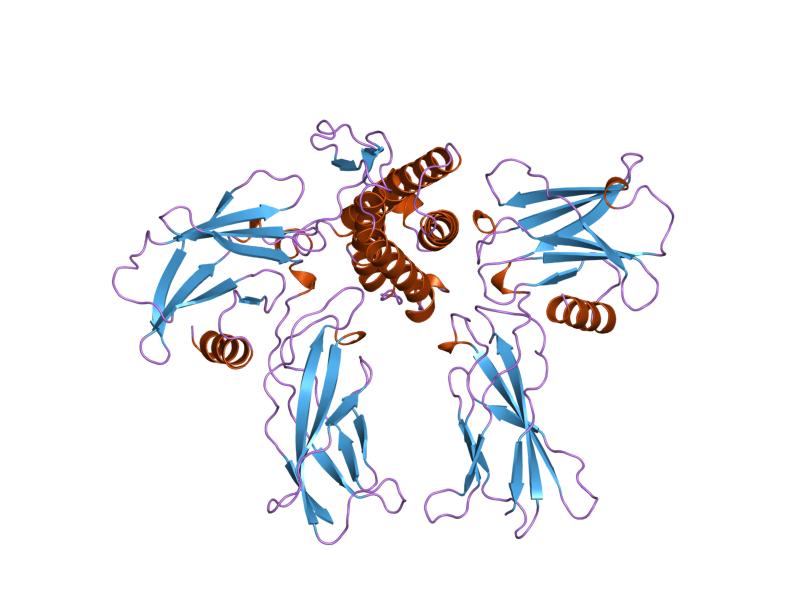

Physiology and mechanism
EPO acts by binding to EPO receptors on erythroid progenitor cells in the marrow, preventing apoptosis and promoting proliferation and differentiation into mature red blood cells. This feedback system links oxygen availability to blood oxygen-carrying capacity. Some research also suggests EPO has effects beyond erythropoiesis, including influences on neuronal survival and cellular metabolism; however, these roles are complex and not fully established.
Synthetic forms and production
Recombinant forms of the hormone are produced using cell-culture biotechnology and are prescribed as biologic medicines. Common preparations include epoetin (often referenced generically as epoetin) and longer-acting analogues. Manufacturers use genetic engineering to produce human-sequence EPO in cultured cells, which are purified and formulated for clinical use.
Medical uses
Therapeutically, EPO is primarily used to treat certain types of anemia. Typical indications include anemia associated with chronic kidney disease and anemia related to cancer treatment such as chemotherapy for cancer. It may also be used in selected patients with HIV-related anemia or to reduce transfusion needs in some surgical settings.
- Common goals: raise hemoglobin, reduce transfusions, improve quality of life.
- Administration: subcutaneous or intravenous injections given on a schedule determined by clinical response.
Risks, monitoring and cautions
Treatment requires careful monitoring because EPO raises hematocrit and can increase the risk of hypertension, clotting events, and in rare cases antibody-mediated pure red cell aplasia. Current guidelines recommend individualized dosing and caution in patients with cardiovascular disease. Although some experimental work has explored effects on glucose metabolism and hepatic glucose production pathways, such as gluconeogenic processes, these findings have not established EPO as a therapy for metabolic diseases.
Abuse in sport and ethical issues
Because EPO increases oxygen-carrying capacity, synthetic EPO has been misused for blood doping in endurance competitions such as cycling and long-distance running (endurance sports). This practice is banned by sporting authorities and testing has evolved to detect exogenous preparations and abnormal hematologic patterns. The misuse of EPO raises significant health and ethical concerns.
History and notable facts
The hormone was identified through physiological studies of anemia and hypoxia; advances in molecular biology in the late 20th century made recombinant EPO products possible and transformed treatment of anemia related to kidney disease and cancer. Ongoing research explores additional biological effects, improved therapeutics, and safer clinical strategies for erythropoiesis management.
For further reading on clinical guidelines, production methods, and regulatory issues consult the linked resources and medical references: basic hormone overview, renal physiology, epoetin formulations, marrow response, types of anemia, chemotherapy effects, cancer-related anemia, doping methods, endurance sport concerns, glucose metabolism, and gluconeogenesis background.
Related articles
Author
AlegsaOnline.com Erythropoietin (EPO): physiology, therapeutic uses, and notable facts Leandro Alegsa
URL: https://en.alegsaonline.com/art/32087