
Anemia: causes, symptoms, diagnosis, and management
Anemia is a condition marked by too few red blood cells or too little hemoglobin, producing fatigue, breathlessness and other signs. Overview, common types, diagnosis, treatment, prevention, and notable facts.
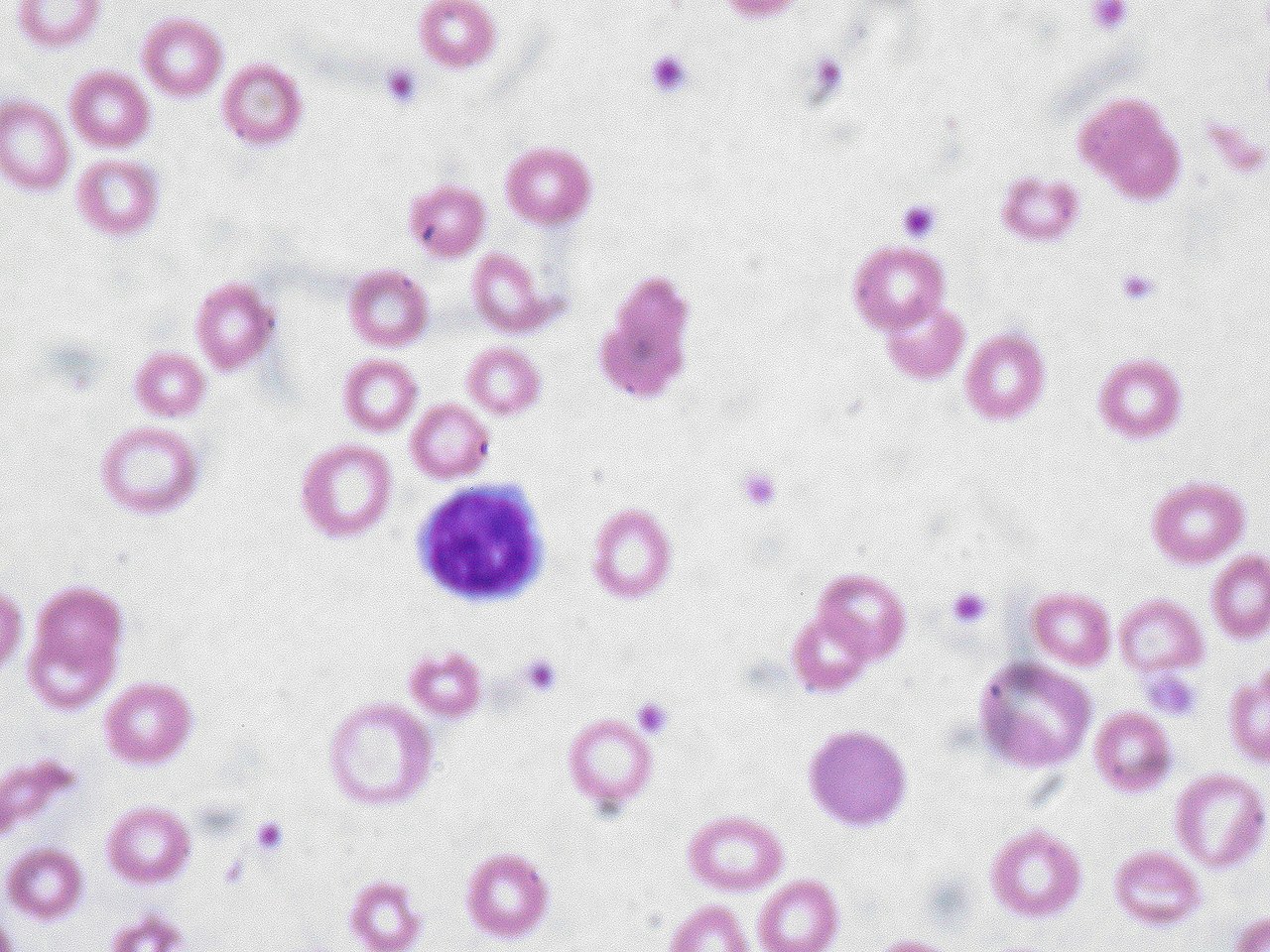
Anemia is a medical condition in which the blood has a reduced capacity to carry oxygen because there are too few red cells or too little hemoglobin in each cell. In everyday practice clinicians assess both the number and quality of red blood cells and the concentration of hemoglobin, often in the context of general blood tests that examine overall blood components. The deficit can be temporary or chronic and ranges from mild to life‑threatening depending on cause and severity.
Image gallery
10 Images




Common causes and major types
Anemia arises for several reasons: reduced production of red cells, excessive loss (bleeding), or increased destruction (hemolysis). Medical descriptions commonly group anemia by mechanism or by the appearance of red cells under a microscope.
- Iron‑deficiency anemia — the most frequent nutritional type, due to inadequate iron for hemoglobin production.
- Vitamin deficiency anemias — for example from low vitamin B12 or folate.
- Chronic disease‑related anemia — associated with long‑term infections, inflammatory conditions, or kidney disease.
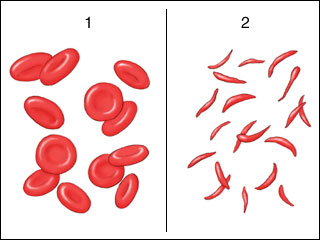
- Hemolytic anemias and inherited forms — such as sickle cell disease or thalassemia, where red cells are destroyed prematurely.
Symptoms, diagnosis and investigation
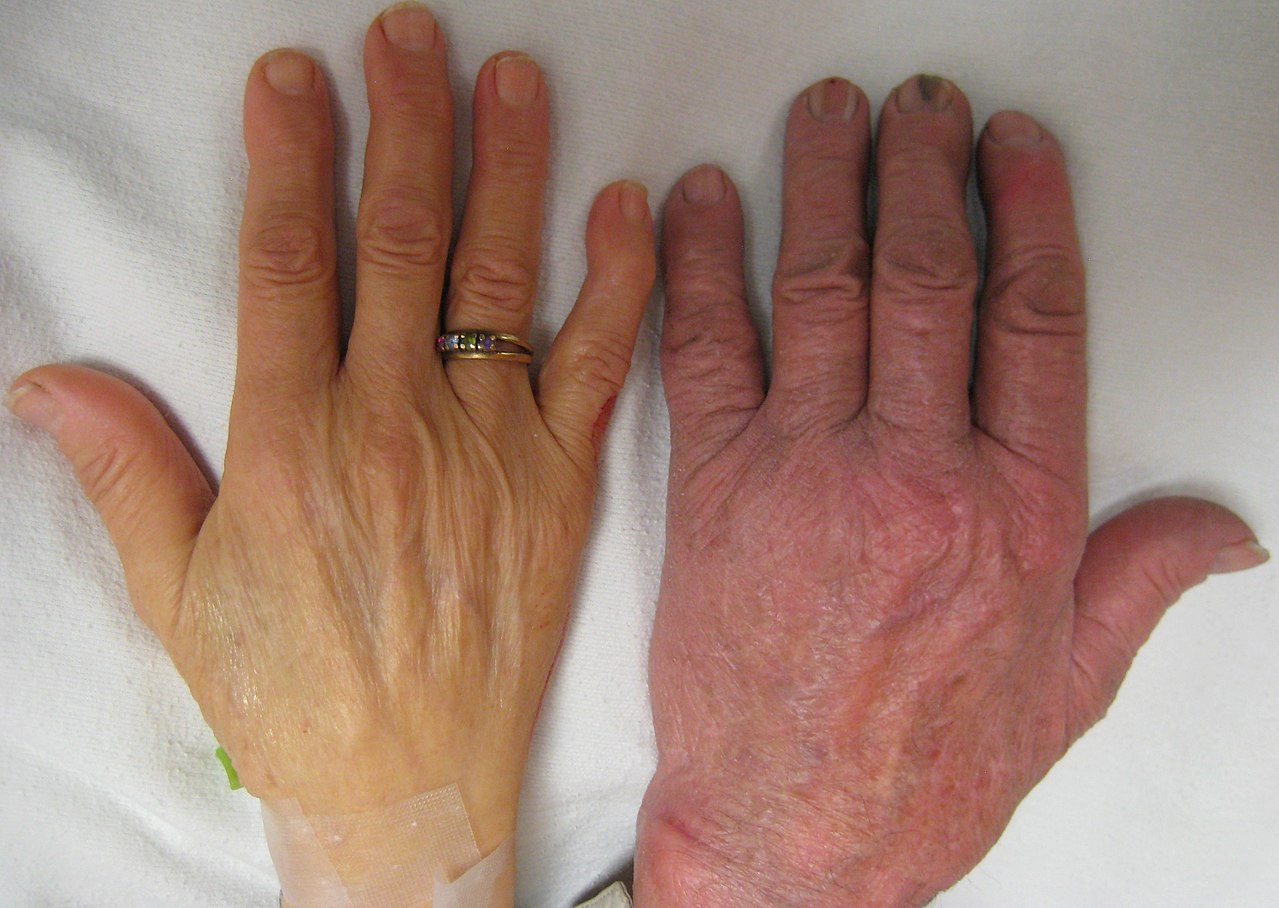
Symptoms commonly include fatigue, pallor, shortness of breath on exertion, increased heart rate, and sometimes dizziness or chest pain in severe cases. Diagnosis begins with a complete blood count (CBC). Additional tests may include iron studies, vitamin levels, markers of inflammation, tests for bleeding or hemolysis, and occasionally bone marrow examination to determine the underlying cause.
Treatment targets the root problem: replenishing iron or vitamins, stopping bleeding, treating chronic disease, or specific therapies for inherited anemias. Transfusion of red cells is reserved for severe or acute cases; other options include medications that stimulate red cell production or disease‑specific treatments.
Prevention emphasizes balanced nutrition, screening where risk is higher (for example in pregnancy), and managing chronic medical conditions. Public health measures such as iron supplementation programs have reduced certain types of anemia in many populations.
Notable facts: Anemia is a common clinical finding worldwide and can affect people of any age. Its impact ranges from mild fatigue to significant impairment of health and quality of life when untreated. Understanding the specific cause is essential because approaches differ: a simple iron tablet helps iron deficiency but not anemia from chronic disease or genetic disorders.
Related articles
Author
AlegsaOnline.com Anemia: causes, symptoms, diagnosis, and management Leandro Alegsa
URL: https://en.alegsaonline.com/art/4086