
Ama-no-Uzume: Shinto goddess of dawn, revelry and theatrical ritual
Ama-no-Uzume (Ame-no-Uzume-no-mikoto) is the Shinto kami of dawn, mirth and performance, famed for coaxing Amaterasu from a cave and for shaping Japan’s ritual dance traditions.
Ama-no-Uzume (Ame-no-Uzume-no-mikoto) is a prominent figure in Japanese religious tradition known as a kami associated with dawn, joy, persuasion and the performative arts. Her story appears in early chronicles such as the Kojiki and Nihon Shoki and remains a touchstone for the origins of ritual dance and communal celebration in Japan. She is often described in English as the “Great Persuader” or the “Heavenly Alarming Female.”
Image gallery
8 Images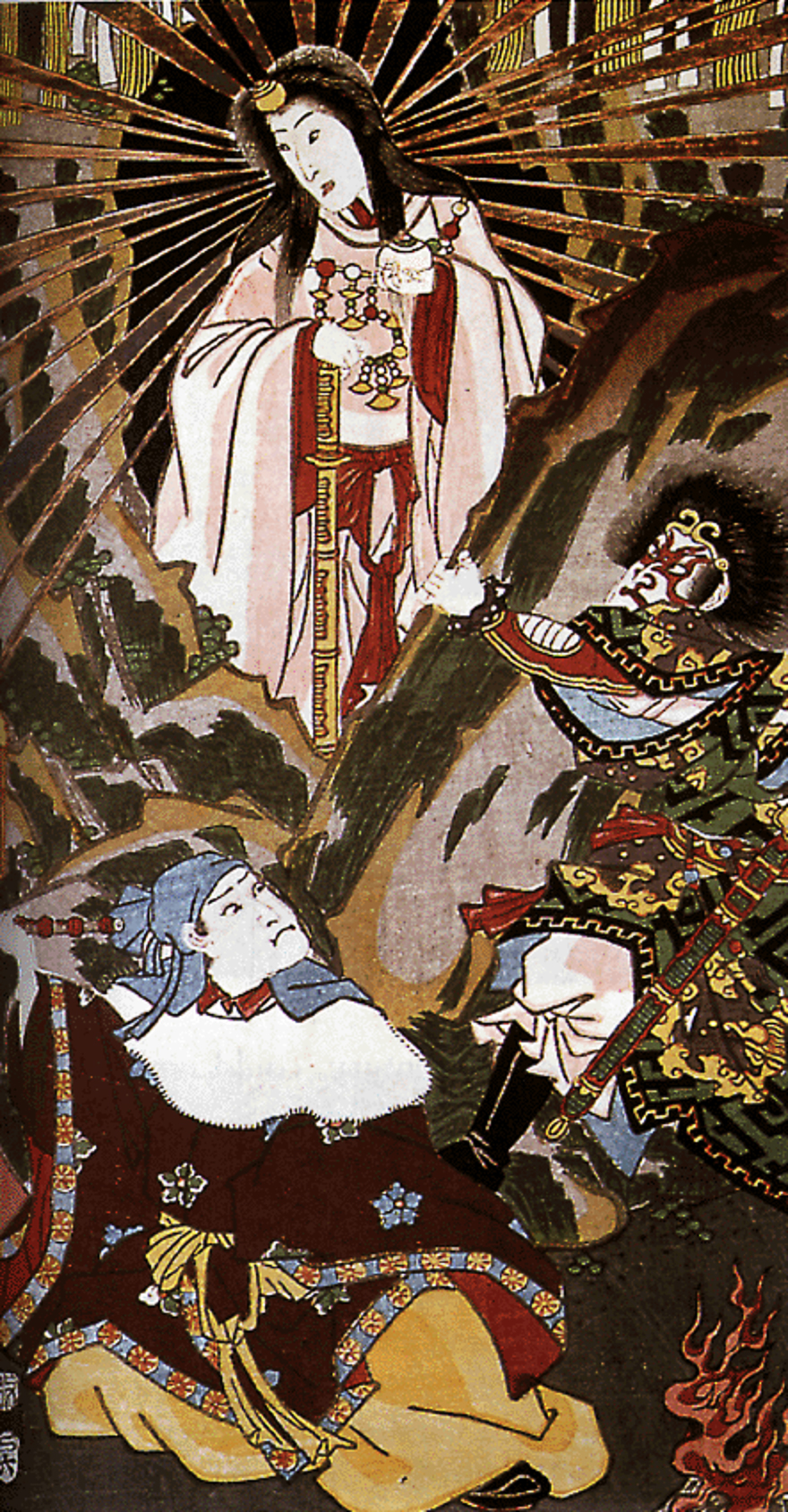



The central myth
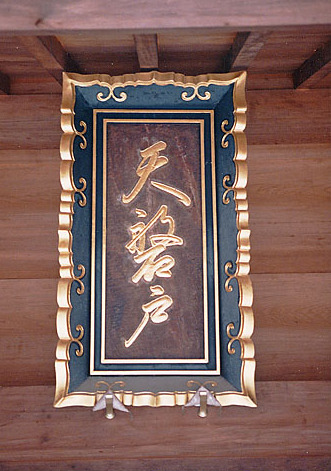
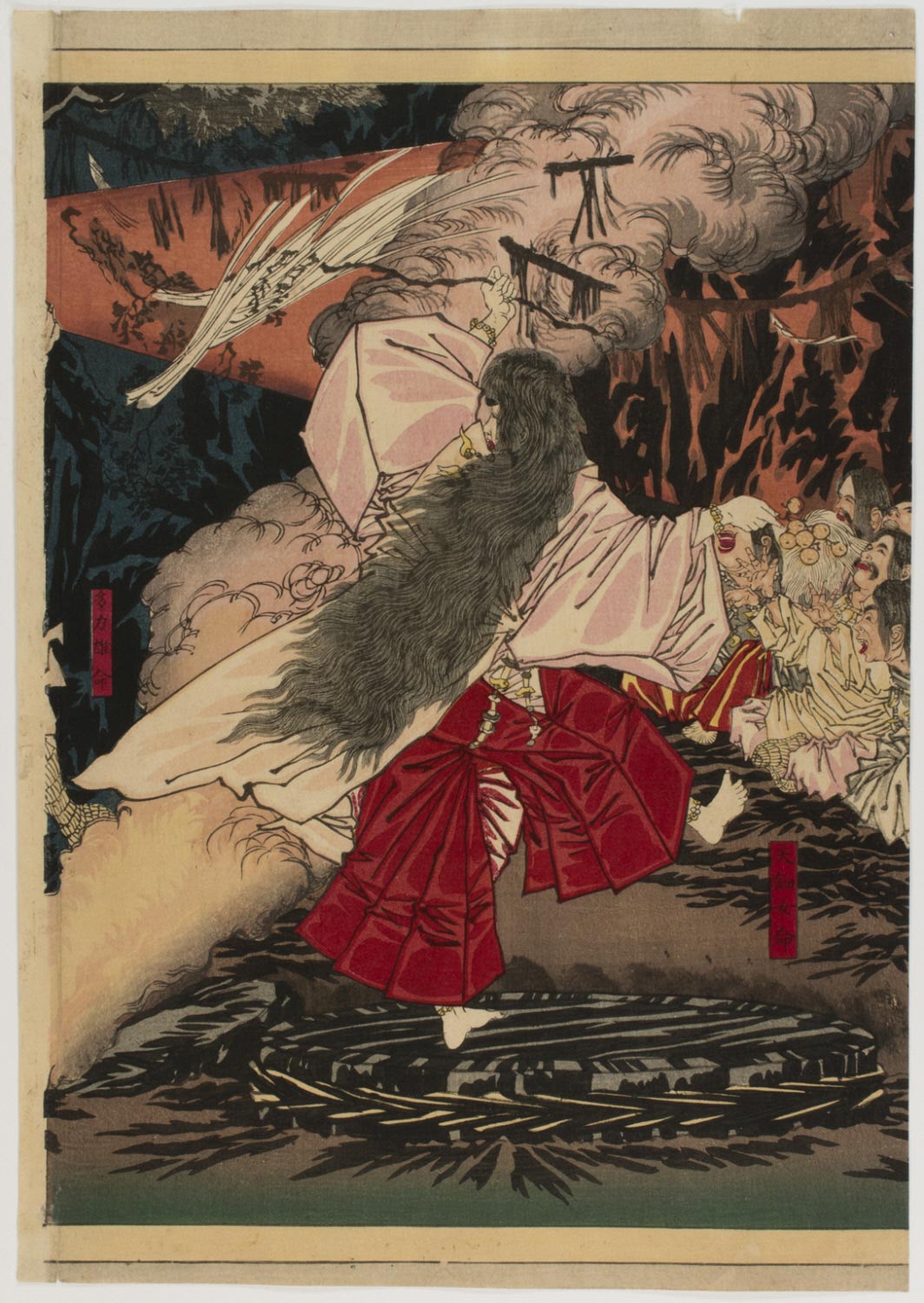
The best-known episode involving Ama-no-Uzume explains how light returned to the world. When the sun goddess Amaterasu withdrew into the cave Ame-no-Iwato after being affronted by her brother, the tumultuous Susanoo, the world was plunged into darkness. The other deities gathered but were unable to coax her out. Ama-no-Uzume improvised a bold, comic performance: she overturned a tub, danced atop it, and enacted an outrageous, provocative display that led the assembled gods to laugh uproariously. Curious, Amaterasu peered from the cave; the gods used that moment to show her a bright mirror and prevent her retreat. A companion deity physically barred the entrance, and the assemblage persuaded Amaterasu to rejoin the heavens, restoring daylight.
Attributes and roles
- Mirth and renewal: Uzume embodies laughter, celebration and the restorative power of communal joy.
- Performing arts: She is traditionally regarded as the progenitor of kagura, the ritual dances and theatrical forms that blend music, movement and myth.
- Dawn and fertility: As a dawn-associated deity, she is linked symbolically with renewal, beginnings and life cycles.
Rituals, worship and cultural influence
Ama-no-Uzume continues to be venerated in Shinto practice; priests, performers and local communities invoke her example when staging sacred dances and seasonal festivities. Shrines connected to the Ame-no-Iwato episode and to Uzume attract pilgrims and performers who seek blessing for artistic endeavors and household wellbeing. Her image and narrative inform theatrical motifs, festival choreography and popular retellings.
Historical and religious context
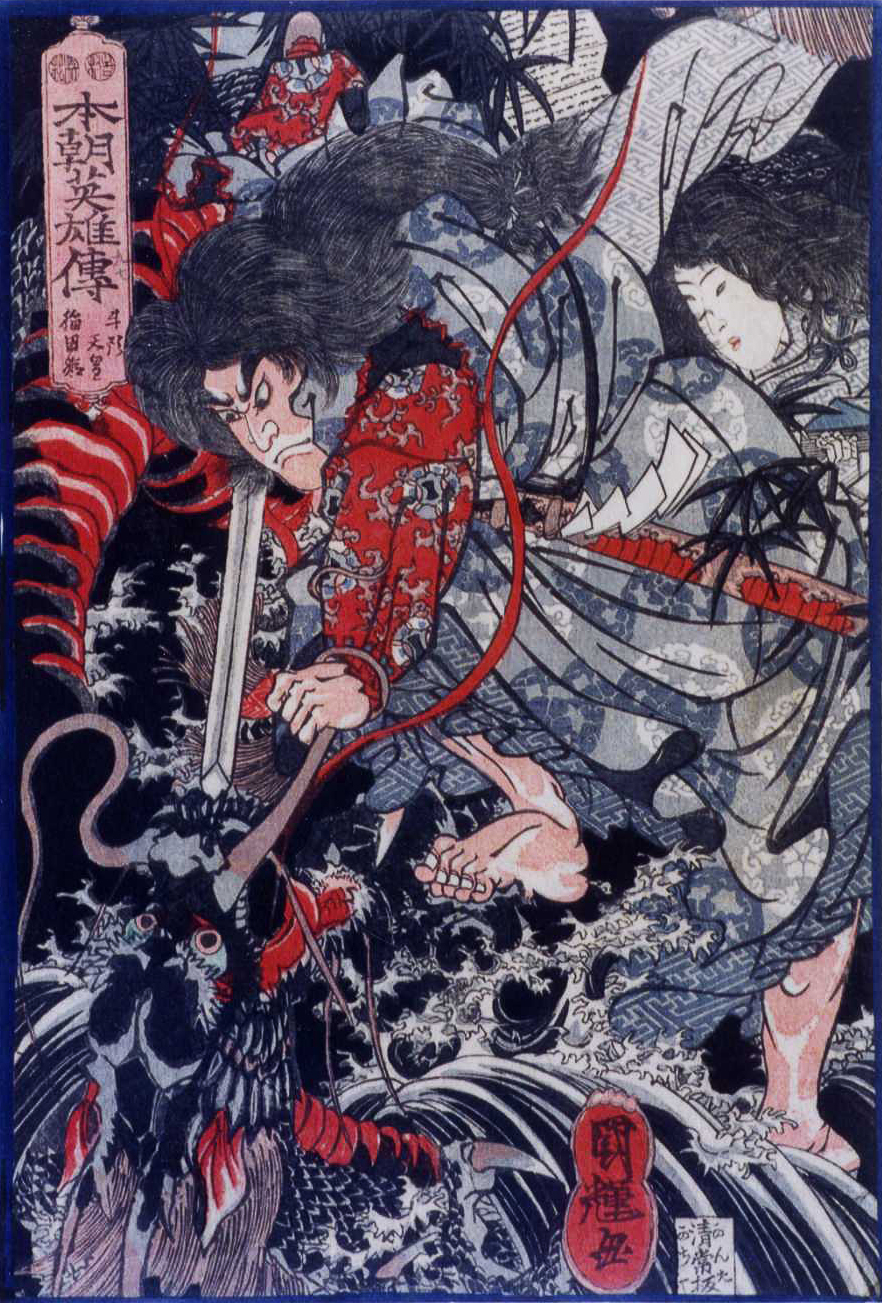
Within the broader framework of Shinto cosmology, Ama-no-Uzume’s episode exemplifies several recurring themes: the interplay of order and disorder, the social function of laughter, and the use of performance as a means to resolve divine conflict. The tale also involves other named figures: the storm-god Susano'o, the strong-handed deity who closed the cave, and ritual intermediaries such as Ame-no-Koyane who addressed Amaterasu. The presence of creatures like the Oni and references to sacred precincts underline the myth’s blending of cosmic drama and local cult practice.
Notable distinctions and legacy
- Ama-no-Uzume differs from solar deities by function: she is not a sun-goddess but a catalyst whose actions restore the sun’s presence.
- Her association with laughter and theatricality makes her unique among kami; she is both a ritual specialist and a cultural archetype for comedy as social medicine.
- Modern performing groups and shrine ceremonies still draw on her example, treating her as a patron of artists and celebrants.
References to Uzume and related concepts can be found in discussions of kami roles, Shinto ritual forms and Japanese mythic motifs: see links on storm deities, the nature of sacred space, the idea of devils in folklore, and practices of worship. Scholars and practitioners continue to interpret Ama-no-Uzume’s story as both a foundation myth for religious performance and a symbolic lesson about the social uses of humor and spectacle.
For those interested in ritual, mythology or the performing arts of Japan, Ama-no-Uzume represents an enduring intersection of religion and culture: a deity whose ingenuity and spirited performance reconnects a community to light, order and celebration.
Related articles
Author
AlegsaOnline.com Ama-no-Uzume: Shinto goddess of dawn, revelry and theatrical ritual Leandro Alegsa
URL: https://en.alegsaonline.com/art/3189