
Odd-toed ungulates (Perissodactyla): anatomy, evolution, and ecology
Perissodactyla, or odd-toed ungulates, are a small order of mammals including horses, tapirs and rhinoceroses, defined by a mesaxonic foot and hindgut fermentation; they have a rich fossil history and urgent conservation needs.
Overview
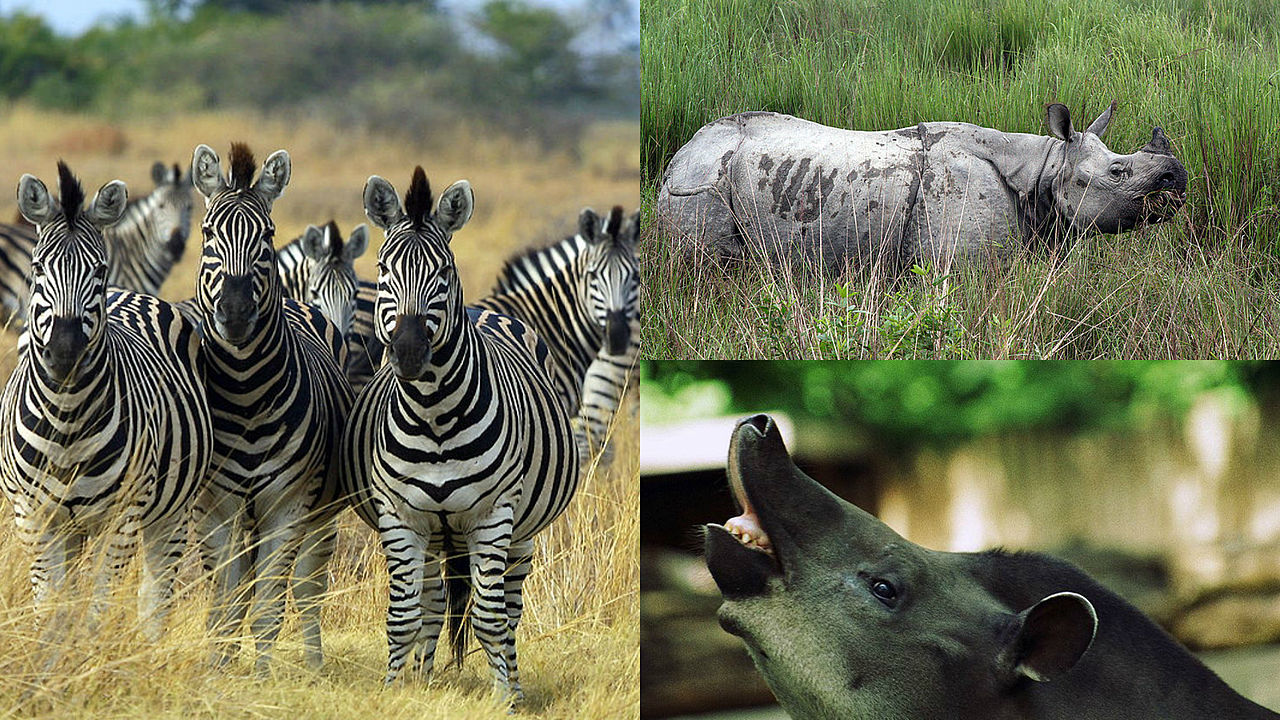
Odd-toed ungulates are members of the mammalian order Perissodactyla, a distinctive group of hoofed mammals. Modern representatives are limited to three families: Equidae (horses, zebras and their relatives), Tapiridae (tapirs) and Rhinocerotidae (rhinoceroses). Though less speciose today than even-toed ungulates, they occupy a variety of habitats from open grasslands to dense tropical forest and play important ecological roles. For a general classification context, see mammal taxonomy and the broader information available about this order at Perissodactyla resources.
Image gallery
10 Images




Key characteristics
Perissodactyls are best known for an asymmetrical toe arrangement and a body plan adapted for running or heavy browsing. Their feet are described as mesaxonic: the axis of the limb passes through the third digit so weight is borne primarily on an odd-numbered central toe. Common examples include the single-toed horse, three-toed rhinoceroses and tapirs, which have four toes on the front feet and three on the hind feet. The uneven count is often summarized in field guides; see further notes on toe anatomy here.
- Foot structure: mesaxonic limb with one or three primary weight-bearing toes.
- Skull and teeth: incisors and cheek teeth adapted for grazing or browsing; many have high-crowned molars suited to abrasive diets.
- Digestive strategy: hindgut fermentation—cellulose breakdown takes place largely in the intestines rather than in multi-chambered stomachs; background on that system is available here and on plant cellulose processing here.
Evolutionary history
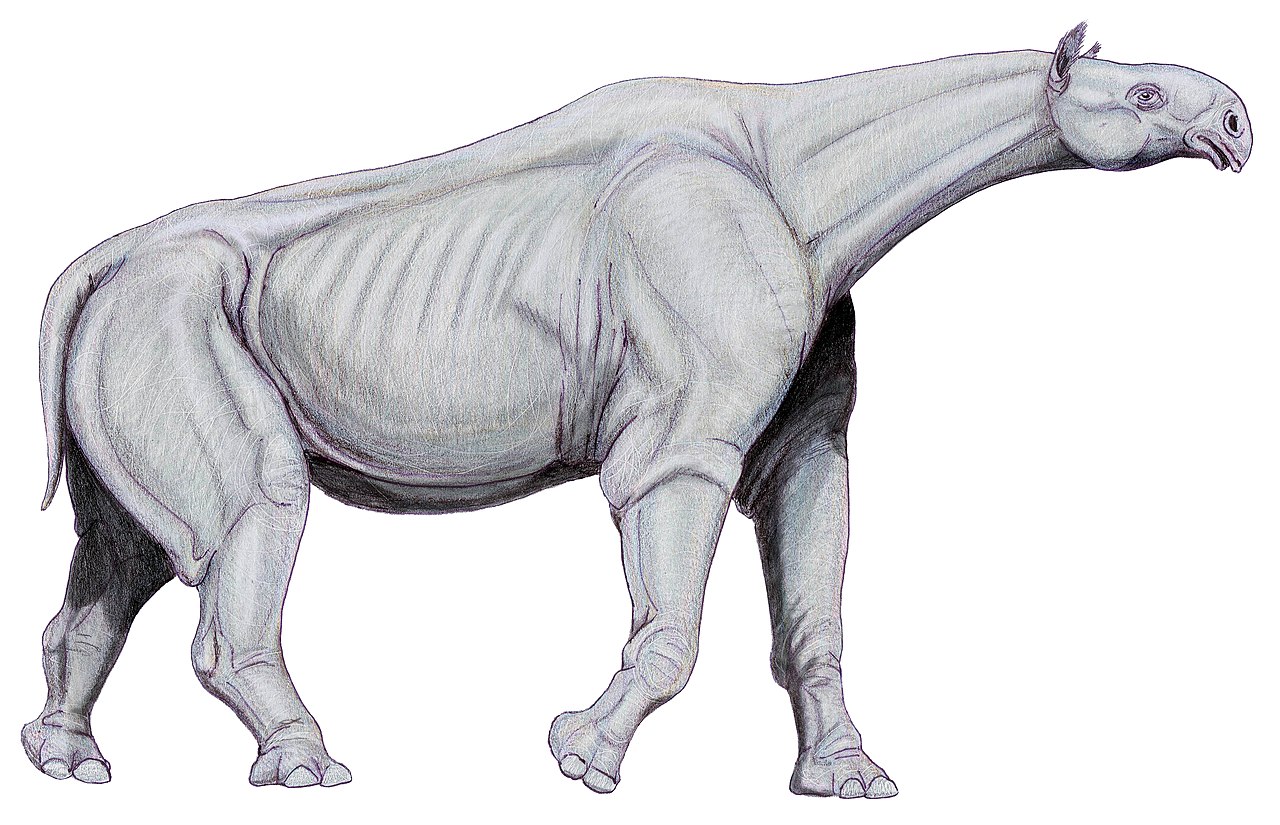
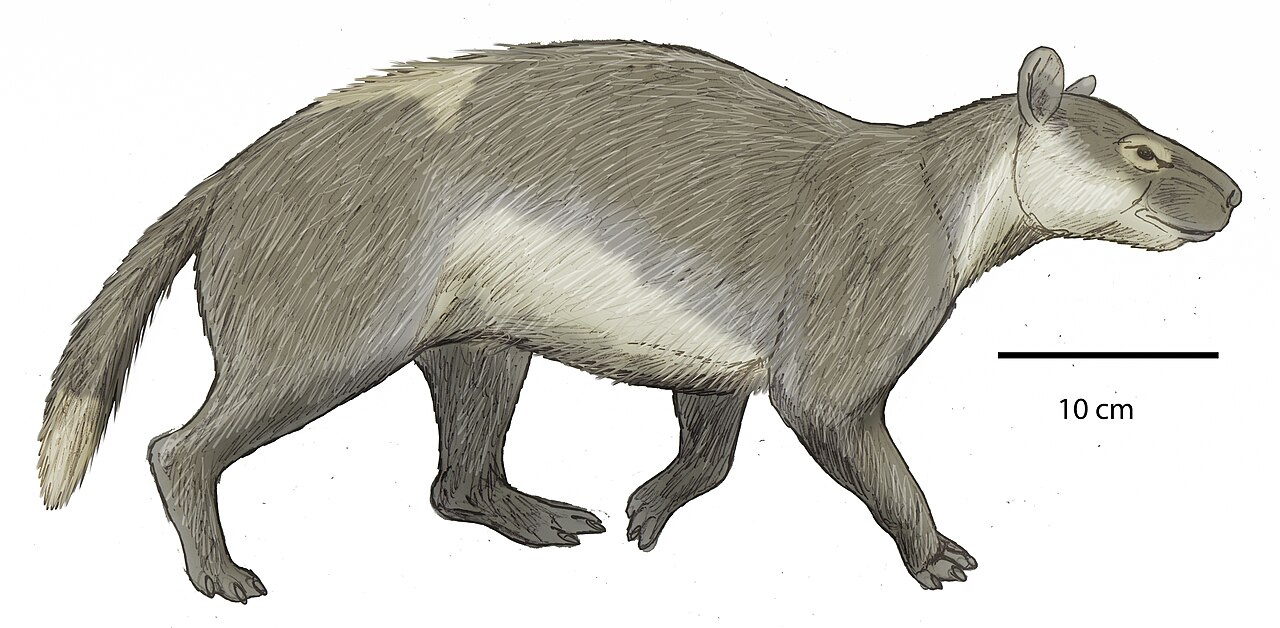
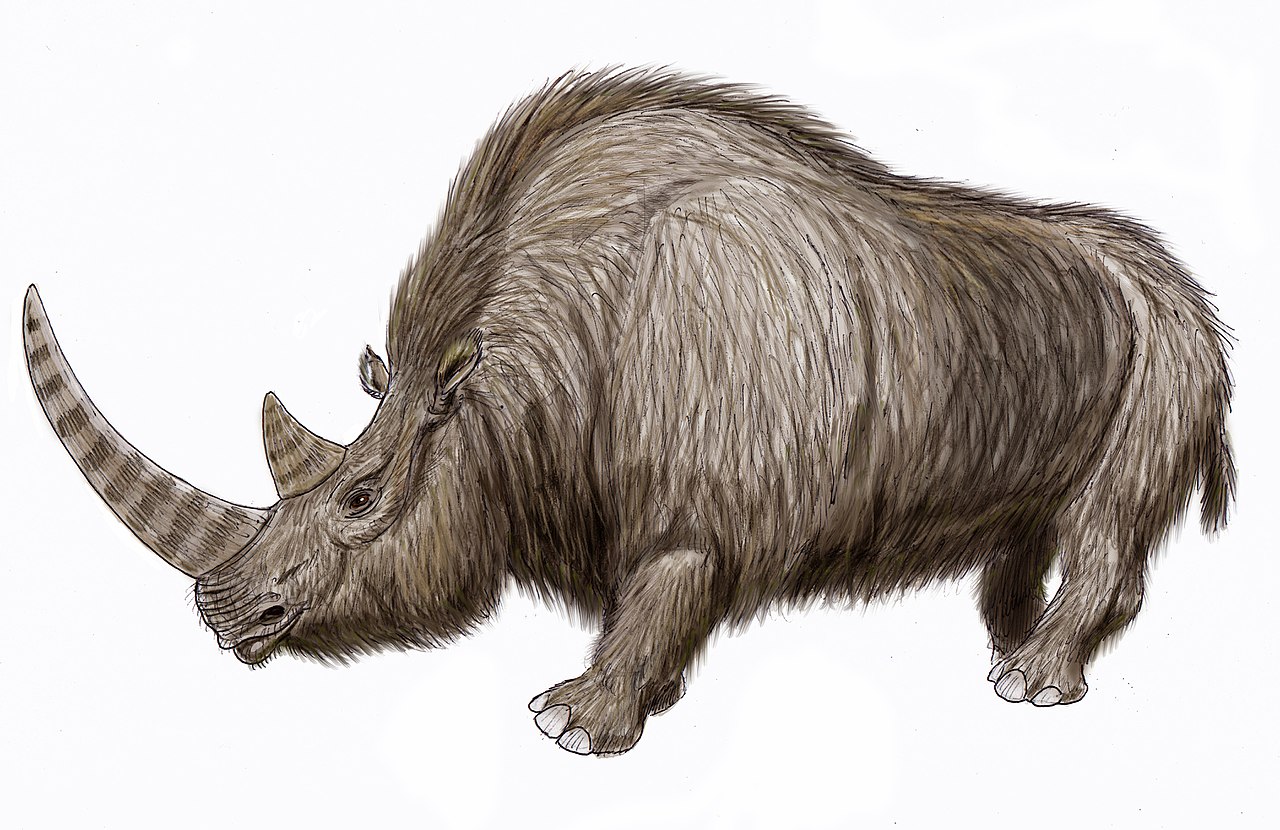
The Perissodactyla have a long fossil record beginning soon after the extinction of the non-avian dinosaurs. During the Eocene and later epochs they were far more diverse, including strange extinct groups such as brontotheres and chalicotheres. Over geological time and in the face of climatic shifts and competition from even-toed ungulates, the order contracted to the three living families. Fossil and comparative anatomy studies provide most of what is known about their deep history; for introductions to fossil Perissodactyla see paleontology resources.
Ecology, behavior and human interactions
Because hindgut fermentation extracts less energy from rough plant material than the foregut fermentation used by many artiodactyls, some perissodactyls—horses in particular—must graze more frequently and in larger amounts. That physiological difference influences behavior and vulnerability: grazing animals may need to feed more often and thus can be more exposed to predators, while many perissodactyls have evolved cursorial (running) adaptations or thick protective skin, as in the case of the rhinoceros. Humans have domesticated and bred horses for transport, agriculture and sport; tapirs and rhinos have been hunted or persecuted in many regions. Conservation concerns are significant for several species due to habitat loss, poaching and fragmentation.
Distinctions and notable facts
Perissodactyls are contrasted with even-toed ungulates (Artiodactyla) by foot structure and digestive anatomy. A few notable points:
- Mesaxonic (odd-toed) versus paraxonic (even-toed) limb symmetry affects locomotion and weight distribution.
- Hindgut fermentation supports a different ecological strategy—often favoring endurance and rapid digestion of bulky forage rather than slow, efficient extraction of nutrients.
- Modern diversity is low relative to the order's past, but extant species are ecologically and culturally important in many regions.
Understanding odd-toed ungulates requires combining anatomical, ecological and paleontological perspectives: they are a small but historically rich order whose modern survival increasingly depends on targeted conservation measures and sustainable coexistence with people.
Author
AlegsaOnline.com Odd-toed ungulates (Perissodactyla): anatomy, evolution, and ecology Leandro Alegsa
URL: https://en.alegsaonline.com/art/71948