
Zebra: overview, appearance, species, behavior and conservation
Striped African equids of the genus Equus. Covers appearance, species, habitat, social behavior, threats, and cultural significance with links to related topics.
Overview
Zebras are wild equids native to Africa, often recognized by their black-and-white stripes. They are members of the class mammals and the family Equidae. As part of the genus Equus, zebras are closely related to the domestic horse and to donkeys. The striped coat is their best-known feature and serves multiple ecological and social functions.
Image gallery
10 Images


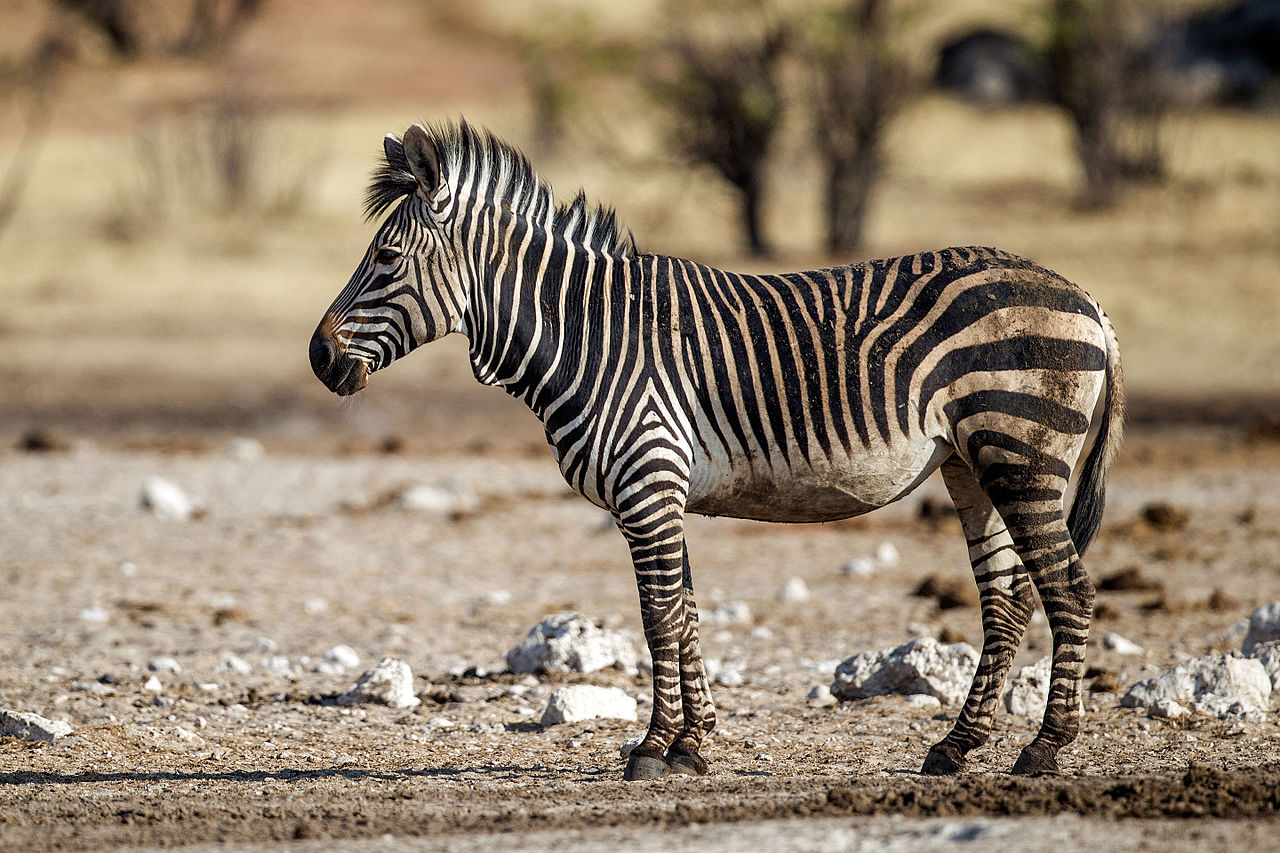


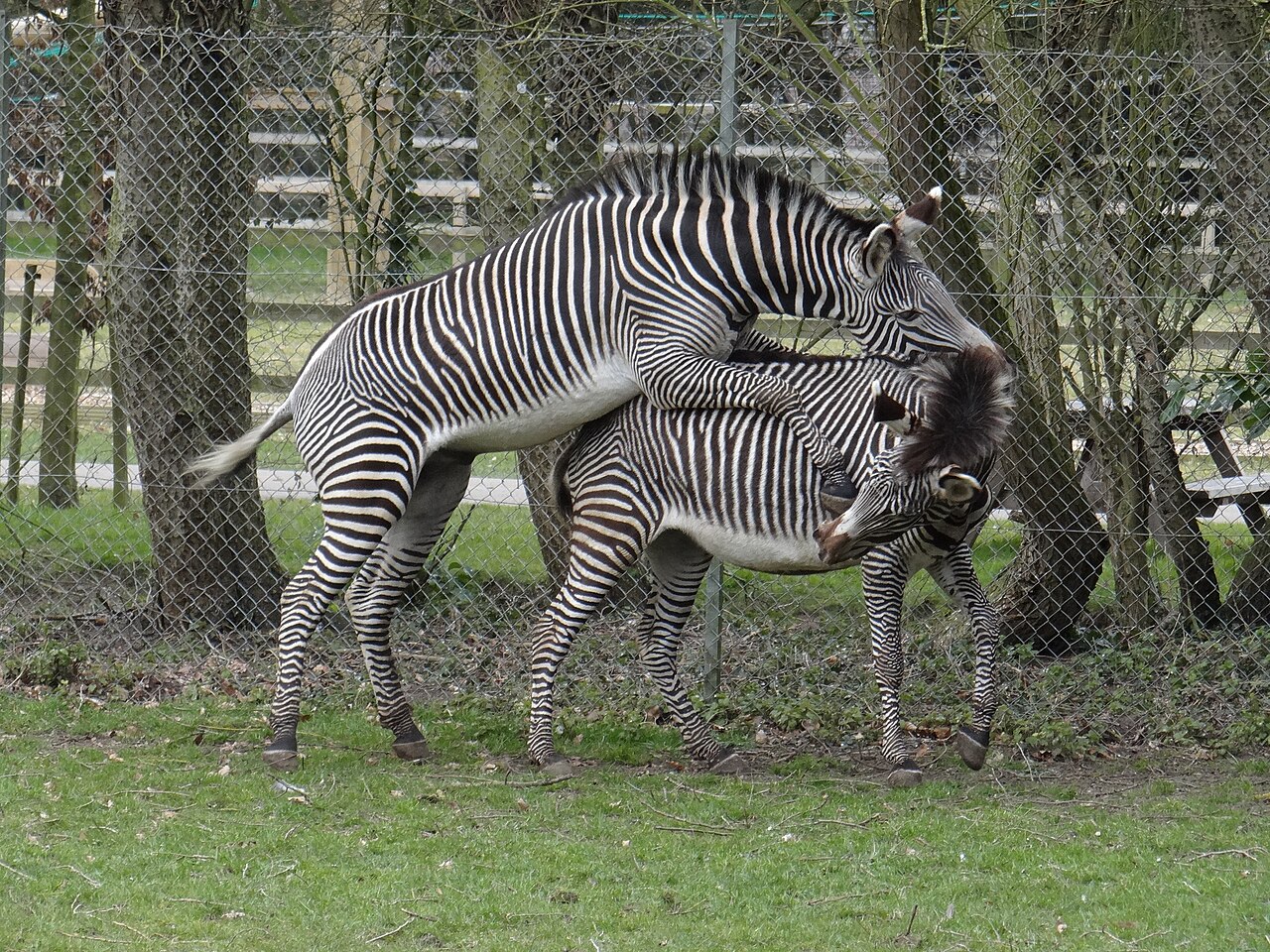
Physical characteristics
Zebra bodies combine horse-like proportions with unique striping patterns that differ among individuals and species. Their coats typically consist of alternating dark and light stripes; underlying skin is usually dark. Coat patterns extend to manes and tails in many subspecies. Limbs end in single-toed hooves adapted for running on grasslands and rocky slopes. Other notable traits include strong teeth for grazing, a digestive system suited to fibrous grasses, and acute senses for predator detection.
Species and distribution
There are several recognized forms of zebra, commonly grouped into three main species: three main species are often cited as the Plains zebra, the Mountain zebra and Grevy's zebra. Their ranges span eastern and southern Africa, from open savannas and floodplains to mountainous terrain and dry scrub. Each species occupies different habitats and shows distinct stripe patterns and social systems.
- Plains zebra — widespread on grasslands and commonly seen in mixed herds.
- Mountain zebra — adapted to rugged, rocky slopes and steeper country.
- Grevy's zebra — the largest species, found in more arid regions and with narrow stripes.
Behavior and ecology
Zebras are primarily grazers that feed on a variety of grasses; they often move in groups to find pasture and water. Social structures vary by species: plains zebras form stable family groups or harems, while Grevy's zebras have looser territorial systems. Stripes may help with camouflage in tall grass, confuse predators in groups, deter biting flies, and assist individual recognition. Predators include large African carnivores, and zebra herds rely on speed, vigilance, and group defense.
History, human interactions and conservation
Zebras have long been part of African ecosystems and cultures, appearing in art, folklore, and as subjects of scientific study. Unlike domesticated horses, zebras were rarely successfully domesticated because of their temperament and strong social instincts. Habitat loss, competition with livestock, hunting and political instability have reduced some zebra populations. Conservation status varies by species and region; efforts include protected areas, anti-poaching measures, and habitat management. For further reading on evolutionary relationships and taxonomy see family traits.
Notable distinctions
Key distinctions include stripe arrangement, habitat preference, and social organization. Plains zebras are numerous and social; mountain zebras are adapted to slopes; Grevy's zebras show unique reproductive and territorial behavior. When studying zebras, researchers compare coat patterning, dental and skeletal features, and ecological roles within African savanna and montane systems.
For taxonomic details, conservation status, and species accounts consult specialist resources: mammal references, Equidae studies, and species lists including African horses and donkeys.
Questions and answers
Q: What are zebras?
A: Zebras are mammals of the family Equidae.
Q: How are zebras related to horses and donkeys?
A: Zebras are in the same genus as the common horse, Equus caballus, and donkeys.
Q: What are zebras known for?
A: Zebras are known for having many black and white stripes.
Q: How many main species of zebras are there?
A: There are three main species of zebra: Grevy's Zebra, the Plains Zebra, and the Mountain Zebra.
Q: Where are zebras found?
A: Zebras are African animals.
Q: What makes each species of zebra different?
A: Each species of zebra has a different pattern of stripes and lives in a different location.
Q: What is the difference between zebras and horses?
A: Zebras have black and white stripes, while horses do not. Zebras are also generally smaller and more social than horses.
Related articles
Author
AlegsaOnline.com Zebra: overview, appearance, species, behavior and conservation Leandro Alegsa
URL: https://en.alegsaonline.com/art/110456
Sources
- iucnredlist.org : "Equus quagga (Plains Zebra, Burchell's Zebra, Common Zebra, Painted Zebra)"
- ncbi.nlm.nih.gov : ncbi.nlm.nih.gov/pubmed/26064590
- animals.nationalgeographic.com : "National Geographic"
- commons.wikimedia.org : Zebras