
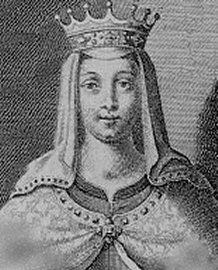
Empress Matilda (Matilda of England, c. 1102–1167)
Empress Matilda, daughter of Henry I, pressed a disputed claim to the English throne after the White Ship disaster. Her contest with King Stephen provoked the civil war called the Anarchy and shaped the Plantagenet succession.
Overview
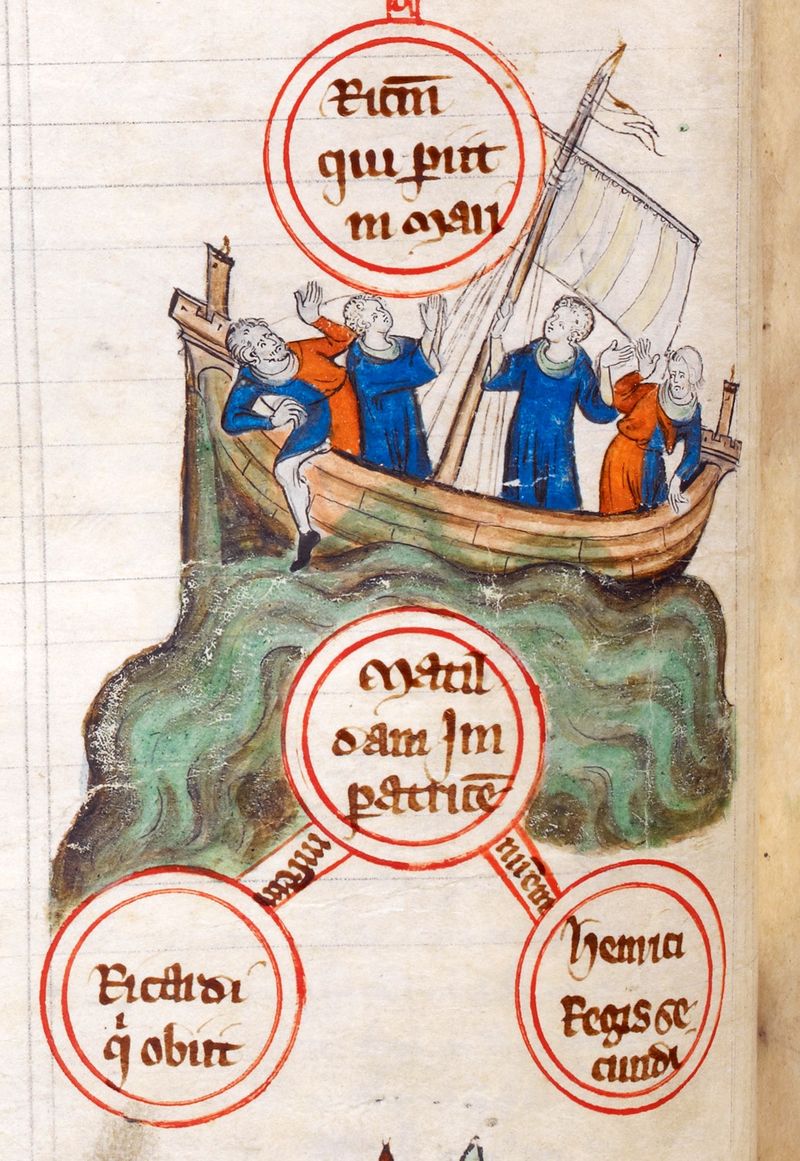
Empress Matilda (sometimes called Maud) was born around 1102 as the daughter of Henry I of England and Matilda of Scotland. A sequence of events—including the death of her brother William Adelin in the White Ship disaster—placed her in line as her father's designated heir, a position often described as hereditary heir to the English throne. Her life combined roles as a continental imperial consort, an Angevin duchess, and a female claimant in one of medieval England's most protracted succession crises.
Image gallery
10 Images



Family, marriage and titles
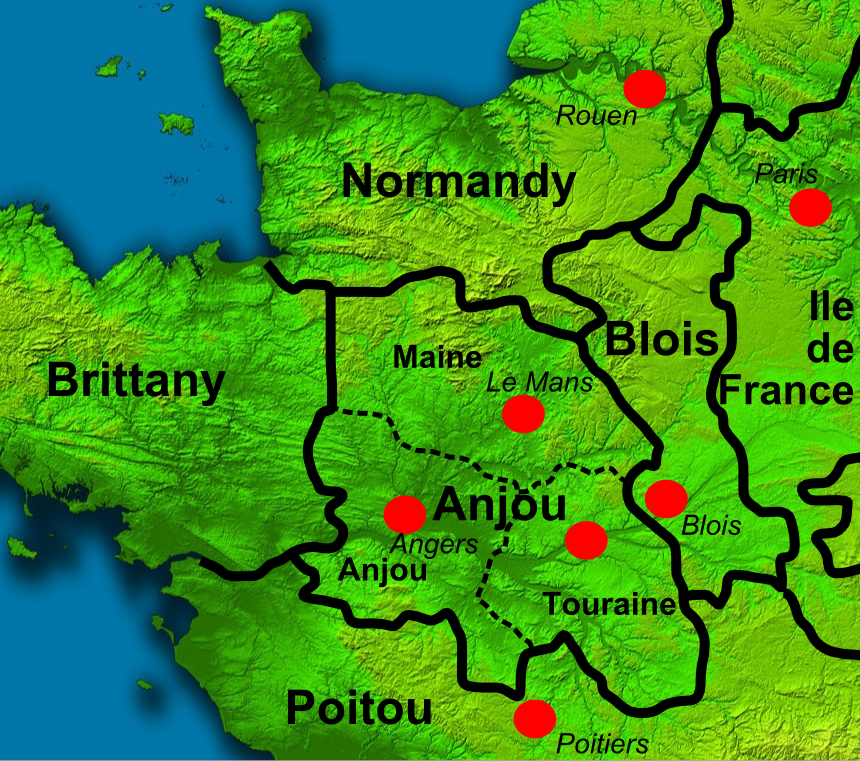
As a child she was married to the future Henry V, Holy Roman Emperor, which is why she is commonly known as "Empress". After the emperor's death she returned to northern Europe and later wed Geoffrey of Anjou, a union that produced several children, most notably her son Henry, who would become Henry II. Through these marriages Matilda held high-ranking continental titles and wielded political influence in Normandy and Anjou as well as England.
Claim to the throne and the Anarchy
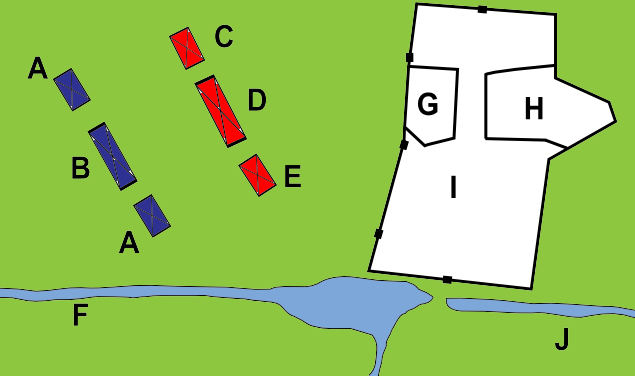
When Henry I died in 1135, Matilda's succession was disputed. Her cousin Stephen moved quickly to seize the crown, despite earlier oaths by some barons to accept Matilda. This sparked a prolonged civil war, commonly called the Anarchy. The struggle involved shifting alliances, sieges, and periods of negotiation; it has often been described as a contest over the nature of royal inheritance and the authority of a woman to rule in her own right. Matilda at times controlled significant territory and in 1141 achieved a political high point when she was declared the ruler by her supporters, though she was never formally crowned queen.
Conflict, negotiations and settlement
The years of conflict saw alternating advances by both sides and notable captures of leading figures. The feud with Stephen continued for nearly two decades, producing intermittent warfare and local disorder that affected England's governance and law. Eventually both sides sought compromise: the effective end of open hostilities came with an agreement that recognized the succession of Matilda's son. At the 1153 accord—commonly known as the Treaty of Wallingford—Matilda's claim was effectively set aside in favor of securing her son's future, thereby resolving the immediate dynastic dispute and paving the way for a new ruling house.
Later life, death and legacy
Matilda spent her later years chiefly in Normandy and Anjou, devoting attention to her family's domains and to monastic patronage. She died in 1167; her son later ascended the English throne, founding the Plantagenet dynasty. Matilda's long campaign for recognition left a mixed legacy: she is remembered as an uncompromising and determined political actor, a rare example of a medieval woman who pressed a serious claim to kingship, and as a central figure in a crisis that prompted changes in royal succession practices and baronial power.
Notable facts
- She is often called both "Matilda" and "Maud" in medieval sources and later histories.
- Her early imperial marriage shaped contemporary perceptions of her authority and title.
- The period of unrest linked to her claim is usually referred to as the Anarchy and had long-term effects on governance.
- Her life illustrates medieval dynastic politics: alliances by marriage, oaths of succession, and negotiated settlements.
Readers who want an introduction to the principal people and events connected to her life may follow links to her father (Henry I), her mother (Matilda of Scotland), her lost brother (William Adelin) and the White Ship disaster, as well as to her rival King Stephen, the broader civil war, and to the treaty and succession arrangements that led to her son Henry inheriting the crown. Additional context about the concept of an heir may be seen via hereditary heir and more on the English monarchy via the English throne. The political dispute that marked her career is sometimes summarized simply as the feud between rival claimants.
Related articles
Author
AlegsaOnline.com Empress Matilda (Matilda of England, c. 1102–1167) Leandro Alegsa
URL: https://en.alegsaonline.com/art/31293