
Feud (blood feud, vendetta): causes, history and resolution
A feud is a prolonged dispute of revenge between groups—often families or clans—characterized by cycles of retaliation, collective responsibility, and historical legal and cultural forms of redress and reconciliation.
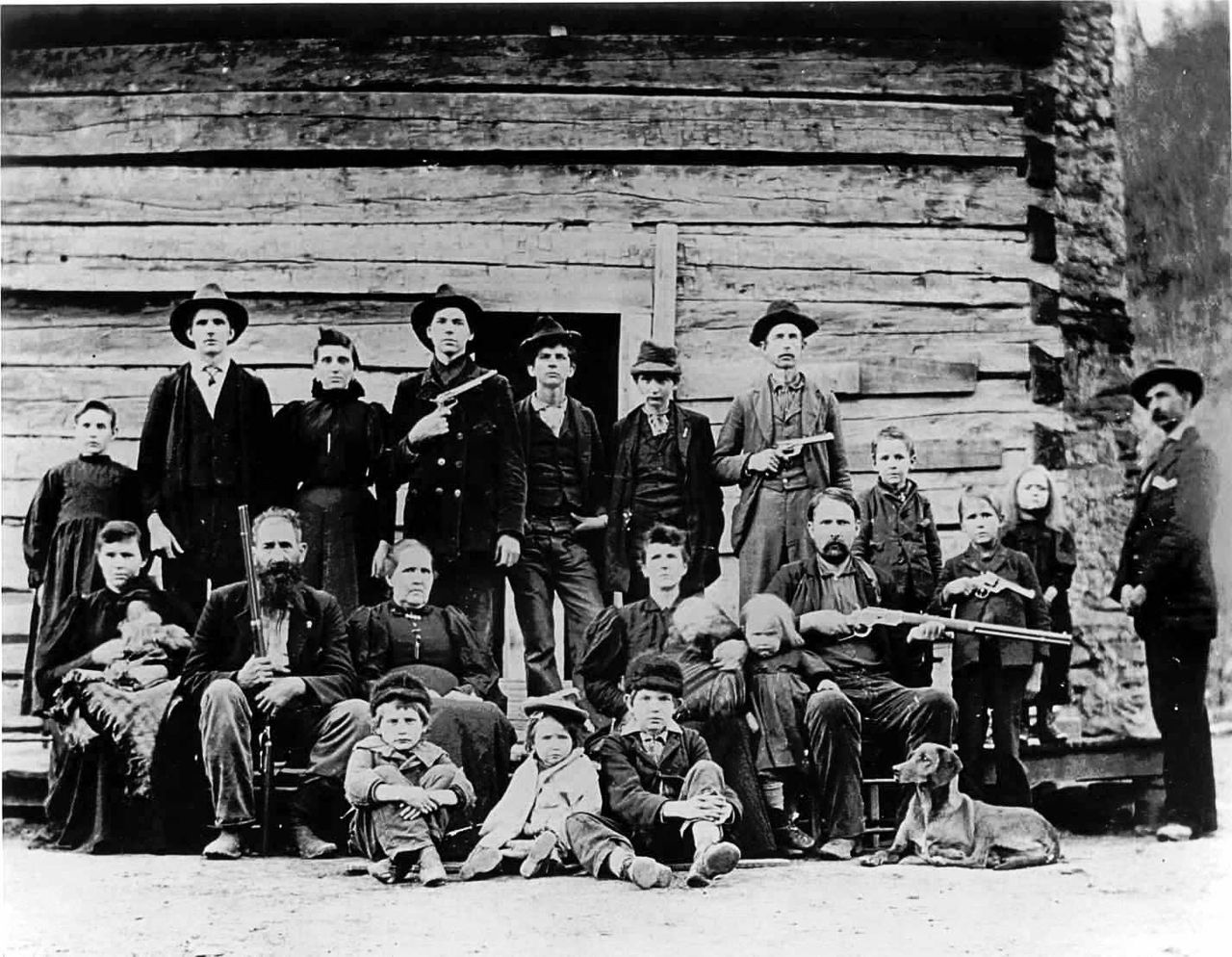
A feud, sometimes called a blood feud or vendetta, is a protracted conflict between social groups that may last years or longer. Unlike isolated disputes between individuals, feuds typically involve extended kin or social networks: relatives and allies are drawn in and treated as responsible by association. In many discussions of feuds the words families and clans appear precisely because these larger social units provide the personnel, obligations and reputations that sustain the dispute.
Image gallery
8 Images




Causes and dynamics
Feuds commonly begin with a perceived wrong: an attack, insult, theft or other injury that one side regards as demanding redress. That impulse to answer an injury is often described as a desire for revenge. What distinguishes a feud is how that initial act triggers a long-running cycle of reprisals. Each act of retaliation provokes another, and the conflict becomes a pattern of ongoing retaliatory violence rather than a single dispute. Social norms about honour, prestige, and deterrence commonly reinforce the cycle: failing to respond may be seen as weakness or invite further attacks.
Typical features
- Collective responsibility: relatives or associates are treated as part of the opposing party.
- Escalation: small offences can lead to increasingly severe reprisals.
- Transmission across time: feuds can persist over many years and even across generations.
- Social embeddedness: feuds are sustained by alliances, reputation, and limited external authority.
History and legal status
Historically, many societies treated feuds as an accepted way to settle injuries or to maintain honour. In some legal systems specific rules governed compensation, hostage-taking or sanctioned retribution. Up to the early modern period, practices that look like feuds were sometimes regulated rather than simply outlawed: customary laws could set limits on who might be targeted or what restitution was required. As centralized states grew stronger and asserted a monopoly on the legitimate use of force, they increasingly criminalized private violence and promoted state-administered remedies instead.
Resolution, modern forms and significance
Ending a feud usually requires interrupting the cycle of revenge. Communities have used several methods: negotiated settlements, compensation (sometimes called blood money), formal apologies, marriage alliances, or ritual reconciliation. Modern legal systems rely on courts and policing, while transitional justice and mediation programs aim to address the social roots of long-standing conflicts. Feud-like dynamics still appear today in contexts such as tribal conflicts, rural disputes, and organized crime, where state presence is weak or norms of honour remain influential.
Distinctions: the term "feud" often overlaps with "vendetta" or "blood feud," but it differs from ordinary personal quarrels by its collective scope, institutionalized expectations of retaliation, and tendency toward prolonged escalation. Understanding feuds requires attention to cultural norms, social networks and the availability of legitimate dispute-resolution mechanisms—factors that shape why some conflicts become enduring cycles while others are resolved quickly.
For further reading and comparative examples, consult specialized studies of customary law, conflict resolution, and social anthropology. Historical and contemporary cases illustrate how similar dynamics appear in different places and how communities have developed various ways to limit or break feuds' destructive patterns.
families clans revenge long-running cycle retaliatory violence generations early modern period
Questions and answers
Q: What is a feud?
A: A feud is a long-running argument or fight between parties, usually involving whole families or clans.
Q: How does guilt by association come into play with feuds?
A: In feuds, people are seen as guilty not because of something they did, but because they were seen with other people who are considered guilty. This is called guilt by association.
Q: What triggers the initial revenge in a feud?
A: Intense feelings of resentment trigger the initial revenge in a feud when one party thinks they were attacked, insulted, or otherwise harmed by the other party.
Q: How difficult is it to end a feud peacefully?
A: It can be very difficult to end a feud peacefully due to the ongoing cycle of provocation and retaliation that fuels it.
Q: Who else may become involved in a feud besides the original parties?
A: Family members and/or associates of the original parties may become involved in a feud.
Q: How long can a feud last for?
A: Feuds can last for generations.
Q: Was there ever any legitimacy associated with having a feud?
A: Up until early modern period, having and participating in a feud was considered legitimate and even had laws associated with certain aspects of them.
Related articles
Author
AlegsaOnline.com Feud (blood feud, vendetta): causes, history and resolution Leandro Alegsa
URL: https://en.alegsaonline.com/art/34126
Sources
- nndb.com : Maximilian I
- arts.gla.ac.uk : The State of the Estates
- soupsong.com : Corsican Soup and Pulp Fiction
- mani.org.gr : Vendetta
- peaceinthecaucasus.org : Chechen society and mentality
- independent.co.uk : Police search Calabrian village as murders are linked to clan feud
- query.nytimes.com : Feud Between Kurdish Clans Creates Its Own War
- csmonitor.com : In Turkey, a lone peacemaker ends many blood feuds
- family.jrank.org : Kurdish Families - Kurdish Marriage Patterns
- news24.com : Somali feuding 'tit-for-tat'
- alertnet.org : Nigeria deploys troops after 14 killed in land feud
- news.bbc.co.uk : India's caste row leaves six dead
- hrw.org : Broken People: Caste Violence Against India’s “Untouchables”
- news.bbc.co.uk : Thousands flee Assam tribal feud
- query.nytimes.com : Clan Feuds, an Old Problem, Are Still Threatening Chinese