
Empress Myeongseong (Empress Min): Queen, Stateswoman, and Assassination (1851–1895)
Empress Myeongseong (Empress Min) was queen consort of late Joseon Korea, a prominent political actor who resisted Japanese influence and was assassinated in 1895; she remains a contested national symbol.
Overview
Empress Myeongseong, commonly called Empress Min, was a leading figure of late 19th-century Korea. Born on 25 September 1851, she became the principal wife of King Gojong and used her position to shape court politics during a turbulent era of foreign intervention and domestic reform. She is widely remembered for opposing increasing Japanese influence in the Korean peninsula and for seeking alternative diplomatic support to preserve Korean sovereignty.
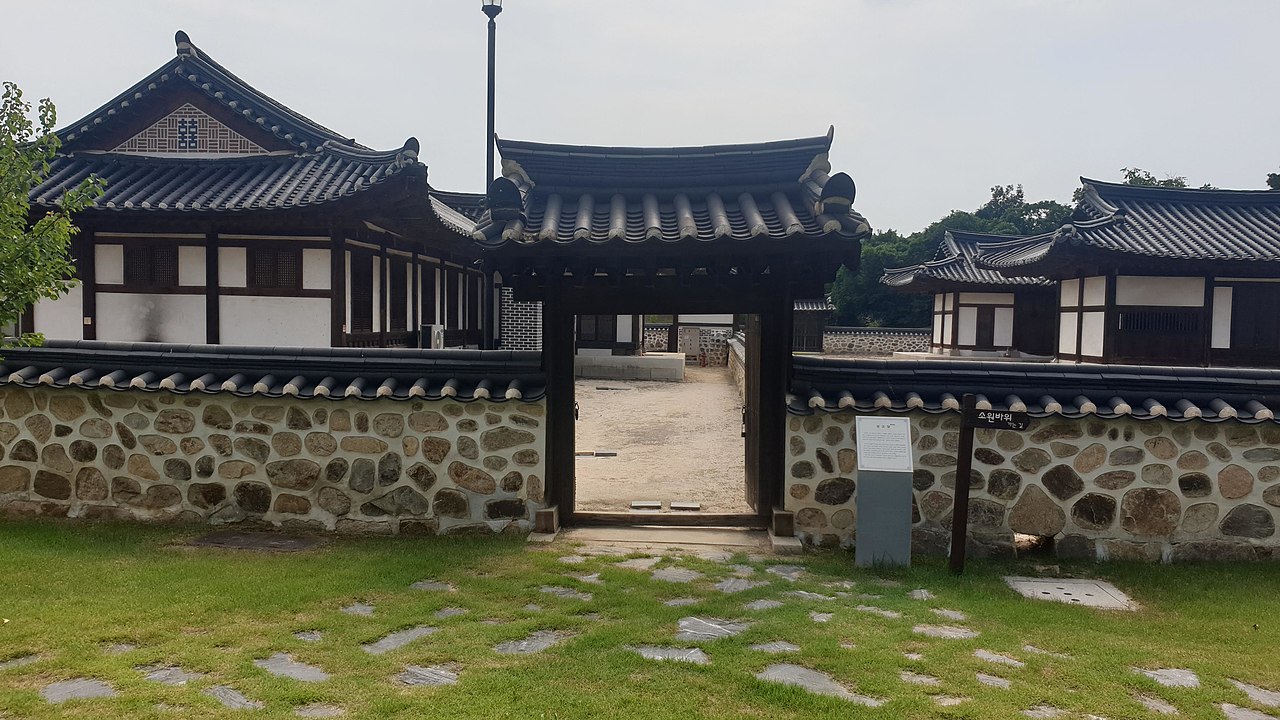
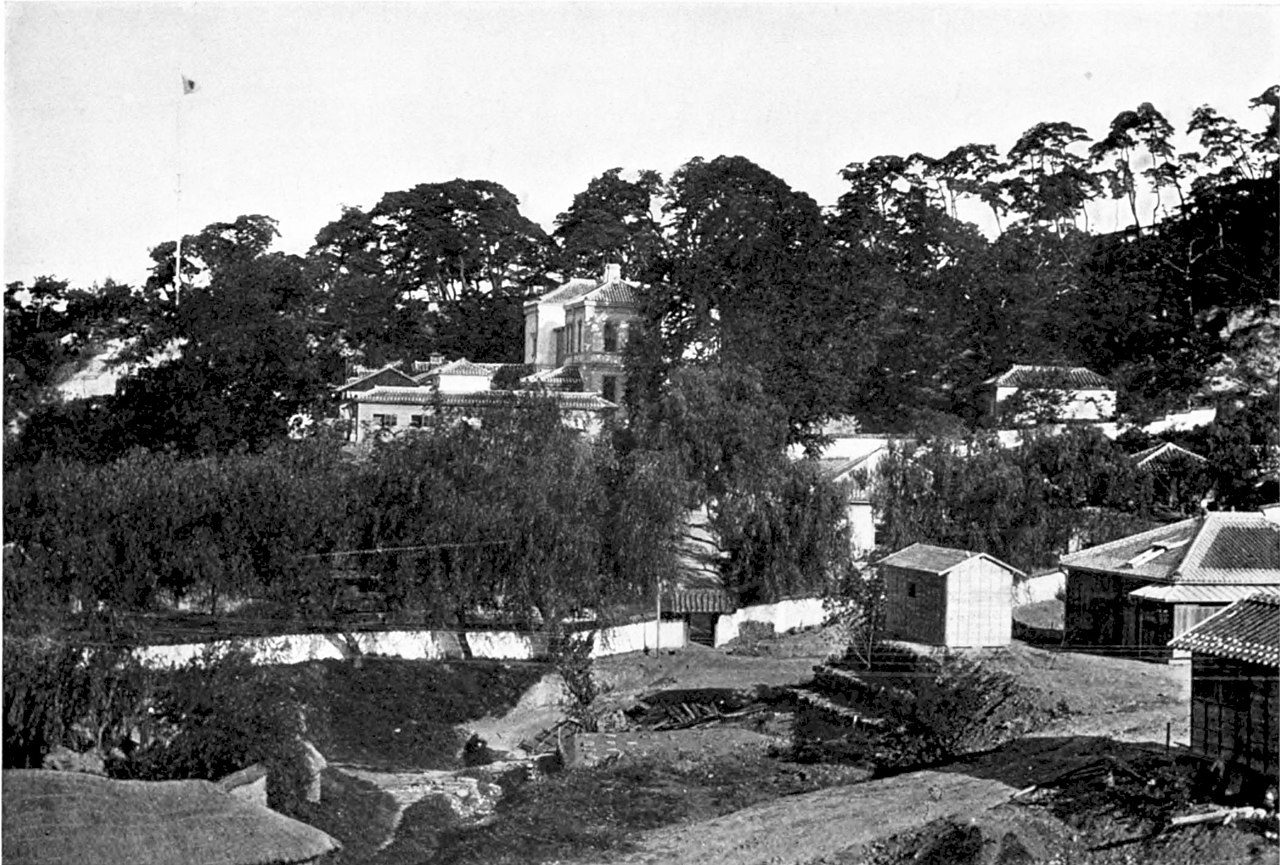
Image gallery
10 Images





Life and political role
As queen consort she took an active role beyond ceremonial duties, advising the king and intervening in appointments and policy. Her efforts to modernize certain aspects of government and her preference for an alliance with Russia alarmed rival foreign powers and factions at court. Contemporary critics and later historians have described her as assertive and politically engaged; some sources characterize her as obstructive to Japanese interests, often saying she acted politically in ways that frustrated their aims.
Titles and posthumous honors
After her death she was granted a formal posthumous title in 1902, a long honorific often abbreviated in common usage. The full honorary name is Hyoja Wonseong Jeonghwa Hapcheon Honggong Seongdeok Myeongseong Taehwanghu (Hangul: 효자원성정화합천홍공성덕명성태황후, Hanja: 孝慈元聖正化合天洪功誠德明成太皇后), usually shortened to Myeongseong Hwanghu.
Assassination and international context
Her death in 1895 became one of the era's most notorious political crimes. In the autumn of that year agents entered the royal compound and murdered the queen in the palace quarters. Western and Korean accounts typically give the violent intrusion and killing as occurring on 8 October 1895 (Gregorian calendar), though calendar differences and contemporary reports sometimes record other dates; overall she died in 1895. Her assassination followed the First Sino-Japanese War, a conflict that shifted regional influence and left Korea vulnerable to competing foreign pressures. After her murder, partisans burned her body in a nearby forest, an act that compounded the outrage felt by many Koreans and observers abroad.
Aftermath and legacy
The killing intensified anti-Japanese sentiment among Koreans and altered diplomatic alignments for a short time, as factions sought protection from other powers. In subsequent decades Empress Myeongseong became a powerful symbol in Korea: for some she embodies resistance to imperialism and for others a controversial political actor whose style provoked powerful enemies. Her life and death influenced the declining years of the Joseon Dynasty and the emergence of new political orders in Korea.
Cultural representations and memory
Her story has been retold and reinterpreted in literature, theater and film. Modern cultural works—ranging from academic histories to popular biographies, novels and musicals—explore her motivations, the international rivalries of her time, and the circumstances of her assassination. These portrayals have contributed to an ongoing debate about her role: whether she should be remembered primarily as a reformer, a nationalist martyr, or a polarizing court figure. The variety of interpretations reflects both the complexity of late-19th-century Korean politics and the continuing interest in a dramatic life that ended amid international crisis.
- Key aspects: queen consort, political actor, opponent of Japanese influence.
- Notable events: alliance-seeking with foreign powers, assassination in 1895.
- Legacy: contested symbol in modern Korean memory and frequent subject of cultural works.
Questions and answers
Q: Who was Empress Myeongseong?
A: Empress Myeongseong was the official wife of King Gojong, the twenty-sixth king of the Joseon Dynasty of Korea.
Q: What was Empress Myeongseong's honorary name and how is it shortened?
A: In 1902, Empress Myeongseong was given the honorary name of Hyoja Wonseong Jeonghwa Hapcheon Honggong Seongdeok Myeongseong Taehwanghu, which is usually shortened to Myeongseong Hwanghu.
Q: Why did the Japanese feel that Empress Myeongseong was being politically unhelpful to them?
A: After China was defeated in the First Sino-Japanese War, Empress Myeongseong tried to get help from Russia instead, in order to stop Japanese influence from spreading in Joseon, where it was getting stronger.
Q: When did Empress Myeongseong die and how did she die?
A: Empress Myeongseong died on October 8, 1895. Men who said that they were commanded by Miura Gorō went into Gyeongbok Palace, and when they went into the Queen's Quarters (Okhoru), they killed three women whom they thought were Empress Myeongseong. When they proved that one of the women was Queen Min, they burned her body in a forest in front of the Okhoru.
Q: What kind of interest have people in South Korea shown in Empress Myeongseong recently?
A: People in South Korea have recently begun showing interest in Empress Myeongseong. Novels and musicals have been made about her.
Q: Who was King Gojong?
A: King Gojong was the twenty-sixth king of the Joseon Dynasty of Korea and the official husband of Empress Myeongseong.
Q: Why did Empress Myeongseong want to stop Japanese influence from spreading in Joseon?
A: Empress Myeongseong wanted to stop Japanese influence from spreading in Joseon because it was getting stronger and she believed it was politically unhelpful to her country.
Related articles
Author
AlegsaOnline.com Empress Myeongseong (Empress Min): Queen, Stateswoman, and Assassination (1851–1895) Leandro Alegsa
URL: https://en.alegsaonline.com/art/31295
Sources
- e-kyujanggak.snu.ac.kr : e-kyujanggak.snu.ac.kr
- donga.com : "일본인 폭도가 가슴을 세 번 짓밟고 일본도로 난자했다 [Japanese mob tramped down her breast three times and violently stabbed her with a [[katana]]"