
Emperor Toba (1103–1156): reign, cloistered rule, and legacy
Emperor Toba was the 74th emperor of Japan (reigned 1107–1123). Acceding as a child, he later exercised influence as a retired sovereign during the late Heian period, amid rising samurai power and succession strife.
Overview
Emperor Toba (1103–1156) was the 74th sovereign in the traditional list of Japanese monarchs. He formally became emperor in 1107 at about five years of age and stepped down in 1123 when he was around twenty. The long span of his life and the era in which he lived link a ceremonial imperial court with the growing influence of new military elites.
Image gallery
1 Image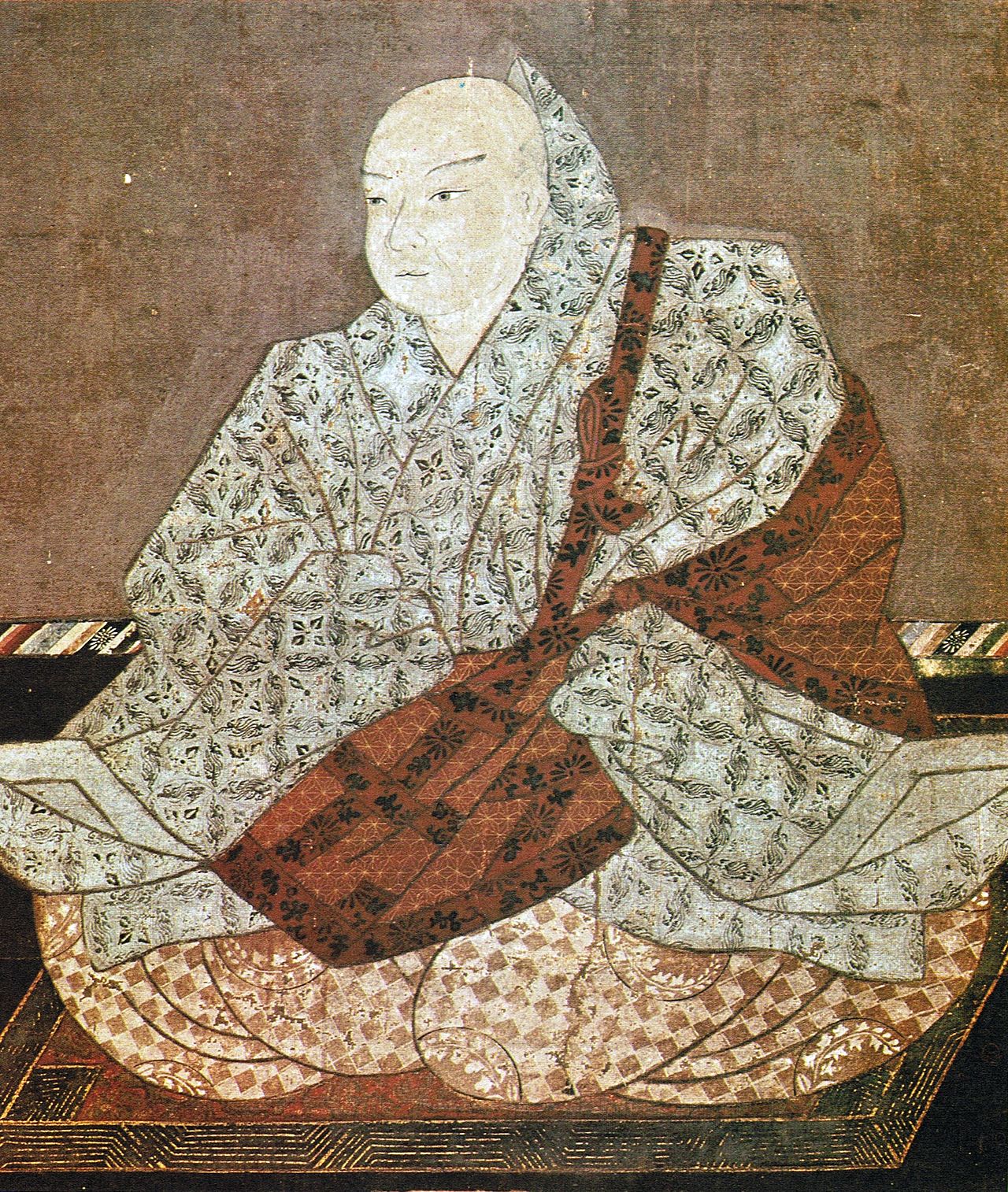
Early life and accession
Toba's early accession followed the customary patterns of the Heian court, where birth and high court rank determined succession. His elevation placed a child on the throne while real governance continued to be conducted by powerful courtiers and retired rulers. Sources often describe him simply as the 74th emperor of Japan, reflecting his place in the imperial sequence.
Reign and cloistered influence
Although Toba abdicated in 1123 — he formally abdicated the throne in favor of a successor — he did not entirely withdraw from political life. Like several rulers of the late Heian period, he participated in the system known as insei or "cloistered rule," in which retired emperors directed affairs from behind the scenes. This arrangement aimed to preserve imperial influence even when the reigning monarch was junior or beholden to court factions.
Political context
Toba's life fell within a transitional phase when ceremonial court power coexisted with emerging forces that reshaped governance. The court remained central to aristocratic ceremony and culture, yet broader politics were shifting. The traditional structure of Insei began to lose effectiveness as provincial military families accumulated land and armed retainers. Over decades this process contributed to the rise of feudalism and growing militarism in Japanese affairs.
Legacy and significance
Toba's long post-abdication presence influenced imperial succession and court factionalism. Rivalries among retired and reigning branches of the imperial family and among powerful clans intensified during and after his lifetime, setting the stage for mid-12th-century conflicts. Scholars view him as a figure who embodied the late-Heian pattern of ceremonial monarchy combined with persistent behind-the-scenes authority.
Notable points
- Reigned 1107–1123 and lived 1103–1156.
- Acceded as a young child and later used retirement as a means of political influence.
- His era marks the gradual decline of court-centered rule and the ascent of military power.
Related articles
Author
AlegsaOnline.com Emperor Toba (1103–1156): reign, cloistered rule, and legacy Leandro Alegsa
URL: https://en.alegsaonline.com/art/31267
Sources
- najapan.com : "The Emperor System and Japan's Royal Family"