
Emperor Zhongzong of Tang
Tang dynasty emperor (656–710), son of Gaozong and Wu Zetian. He ruled twice; his restored reign exposed court factionalism, powerful in‑laws, and a deadly succession struggle that reshaped early 8th‑century Tang politics.
Emperor Zhongzong of Tang (656–710) was a son of Emperor Gaozong and the influential Wu Zetian. He occupied the throne on two separate occasions and is best known for his role as a figure caught between the extraordinary authority of his mother and the competing factions of the Tang court. His life and short reigns illuminate the personal and political tensions of late 7th–early 8th century China.
Zhongzong first became emperor in a turbulent succession episode, but his initial rule was brief. Not long after Gaozong's death, real power was exercised by his mother, the former Empress Wu, who eventually deposed him and later took the unprecedented step of proclaiming her own dynasty. During this period Zhongzong lived largely under the shadow of his mother's control and saw the independent imperial authority of the Tang throne curtailed.
After a change in court fortunes and the overthrow of Wu Zetian's direct rule, Zhongzong was restored to the throne. His second reign returned the Tang dynastic name to the center, yet it also revealed deep weaknesses: political influence shifted heavily to powerful in‑laws and court favorites. Many contemporary accounts describe a court marked by patronage, rapid promotion of relatives, and frequent factional disputes among officials and royal kin.
Domestic instability manifested in violent incidents, including a notable uprising led by a prince who opposed the influence of the emperor's inner circle. The restored court struggled to reconcile competing interests: bureaucrats who sought to revive Tang institutions clashed with those who profited from the emperor's concessions to family and allies. Empresses and imperial daughters gained visible political clout, affecting appointments and policy decisions.
Zhongzong's death in 710 is regarded in many sources as sudden and suspicious; later historians and some contemporary records suggest possible poisoning and immediate attempts by his consort to consolidate power. Those attempts were short‑lived: a swift coup by rival members of the imperial house removed the dominant in‑laws and placed another prince on the throne, underscoring how fragile authority had become under Zhongzong's rule.
Image gallery
1 Image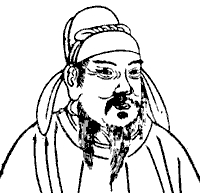
Legacy and notable facts
- Twice emperor: his two nonconsecutive reigns frame the exceptional interlude of his mother, Wu Zetian, who briefly interrupted Tang rule.
- Symbol of palace politics: his career highlights how familial networks and court favorites could override formal institutions.
- Historical assessment is mixed: some sources portray him as indulgent and easily influenced, others emphasize his role in restoring Tang rule after an unprecedented break.
- The succession crisis after his death precipitated a violent transfer of power that shaped the imperial line for the next generation.
Overall, Emperor Zhongzong's life and rulership are studied not only for the events they encompass but also for what they reveal about the vulnerabilities of imperial authority, the impact of strong personalities in the palace, and the precarious balance between family, faction, and state in early medieval China.
Related articles
Author
AlegsaOnline.com Emperor Zhongzong of Tang Leandro Alegsa
URL: https://en.alegsaonline.com/art/31268