
Militarism: ideology, characteristics, history, and societal effects
Militarism is an ideology that elevates military values and institutions within civilian life. This article outlines its features, historical examples, social impacts, and how it differs from militarization.
Militarism is a social and political outlook that prizes military values, organization, and authority as central to public life. Rather than referring only to the existence of armed forces, the term describes an orientation in which discipline, hierarchy, duty and readiness are promoted as ideals for society as a whole. Advocates of militarism—often called militarists—argue that the practices and culture of the military can strengthen order, cohesion, and national security when applied beyond the barracks. Critics warn that when military priorities dominate civilian institutions, pluralism, civil liberties, and democratic oversight can be weakened.
Image gallery
10 Images


Defining features
Common characteristics associated with militarist thought include:
- Emphasis on discipline and training: regular drills, strict codes of conduct, and obedience to authority are presented as social goods; see discussions of disciplinary models in both military and civilian contexts via disciplinary theory.
- Hierarchy and command structures: preference for clear chains of command and centralized decision-making mirrors military organization; comparative analyses can be found at organizational studies.
- Valorization of service and sacrifice: public rhetoric may celebrate military virtues such as courage and self-denial (cultural portrayals).
- Institutional influence: proposals to apply military-style management to industry, education, or public administration are common themes (policy debates).
- Security primacy: elevated defense spending and preparedness often follow from a militarist outlook (budgetary implications).
Historical development and examples
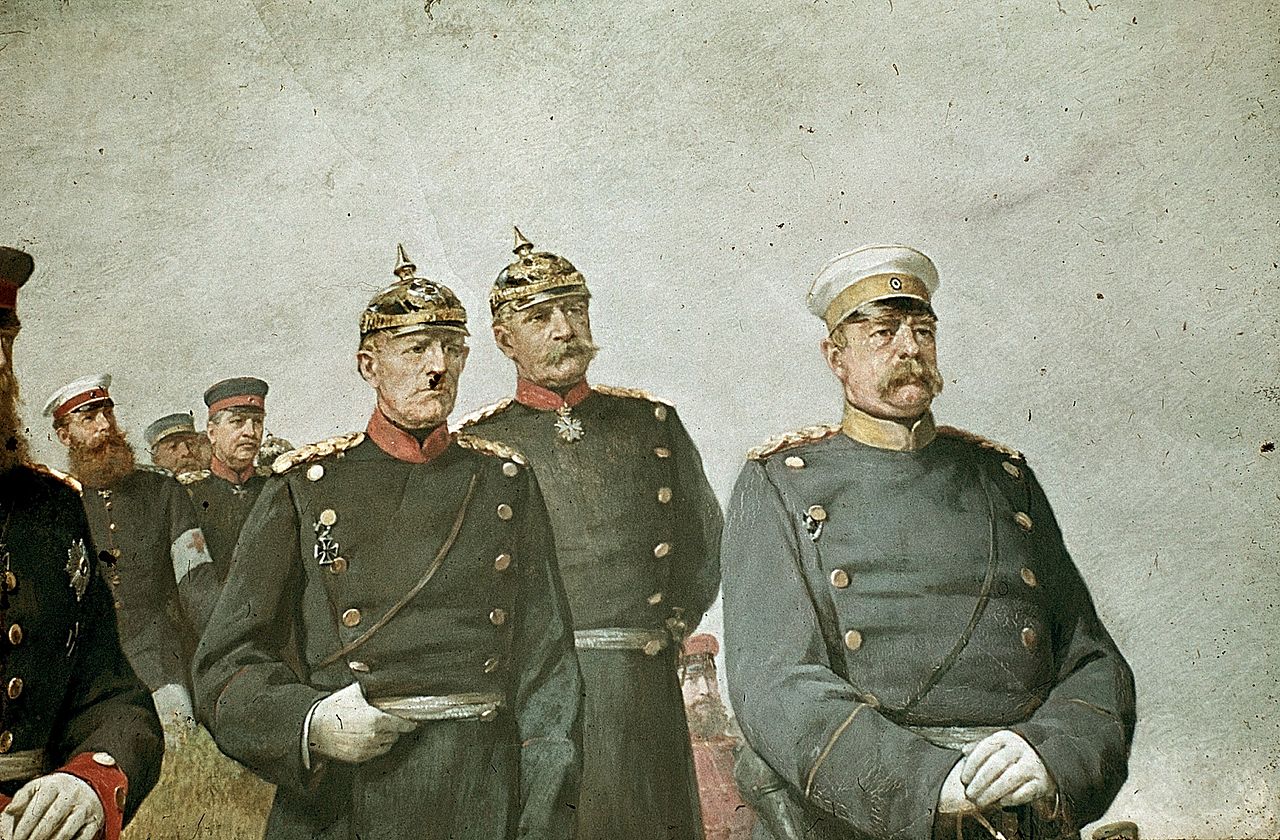
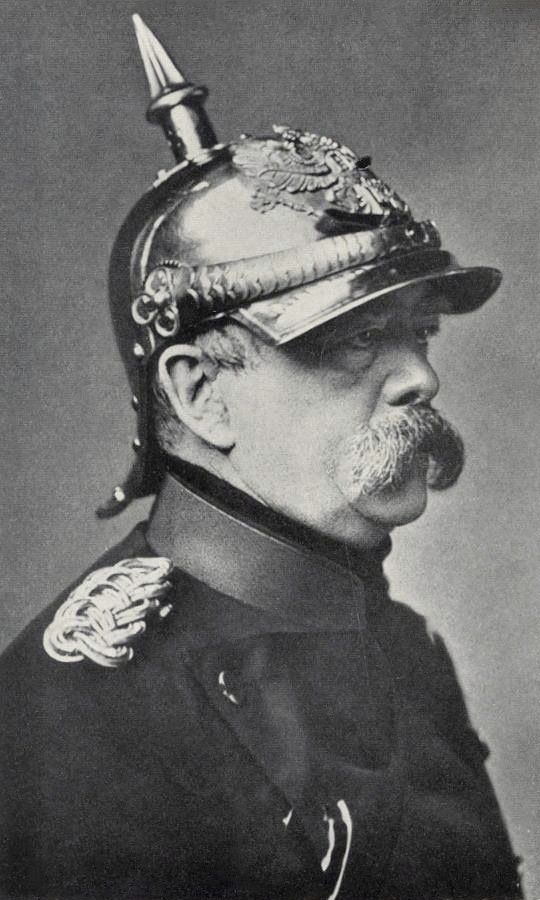
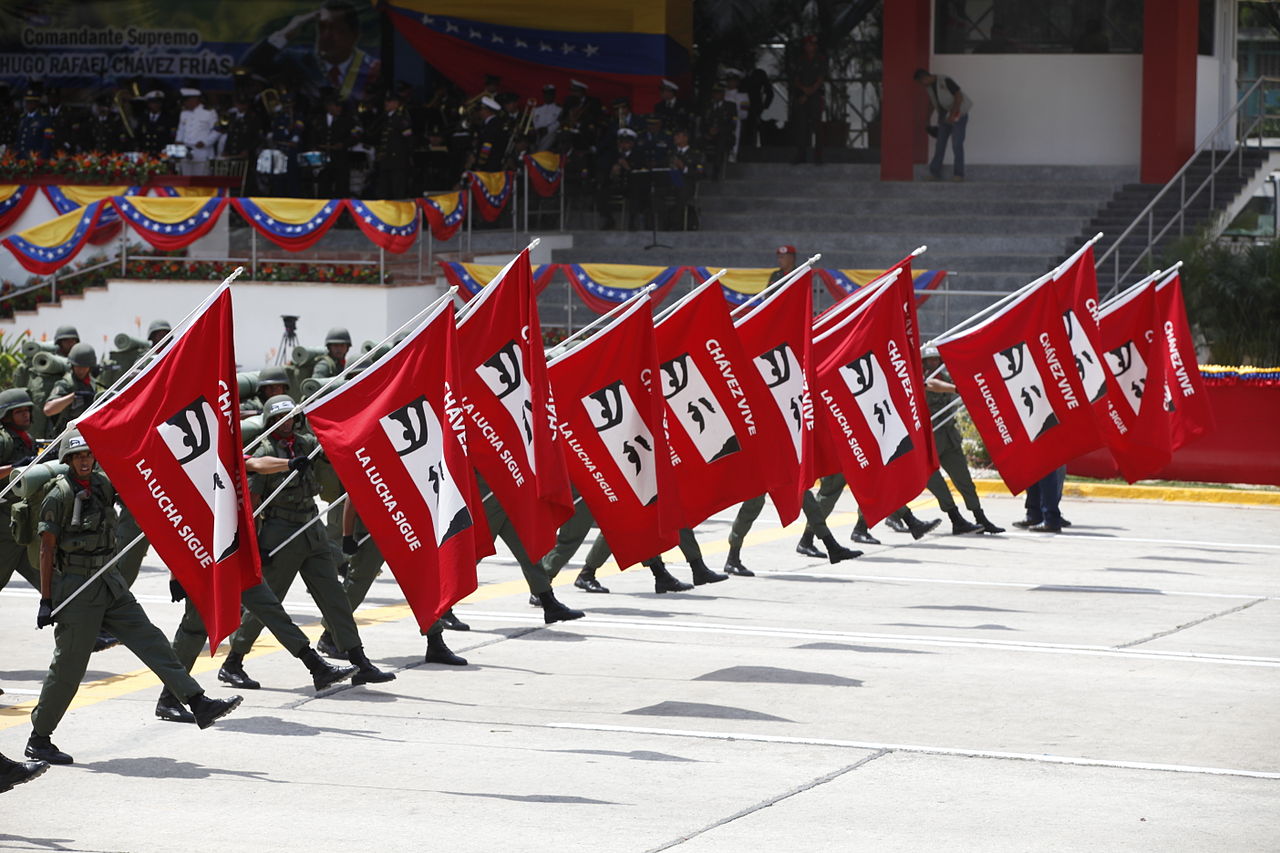
Elements of militarist culture appear in many societies and eras. Classical Sparta is frequently cited for its social organization around military training and collective defense, while 19th-century Prussia became synonymous with professionalized armed forces influencing state institutions. In modern discourse, states with pervasive military influence over governance are sometimes described as militarized or exhibiting strong militarist tendencies; scholars and commentators examine such cases with attention to context and variation (historical surveys, comparative politics).
Application and societal effects
Militarist approaches have been advocated in sectors outside the armed forces. Business managers have borrowed leadership and logistical models from the military, educational programs have emphasized discipline and civic duty, and popular culture often glamorizes martial themes in film and entertainment. Proponents credit militarist practices with improving organization and resilience; opponents warn of reduced civil liberties, marginalization of dissent, and the diversion of resources from social services (educational reform debates, media studies).
Distinguishing militarism from militarization
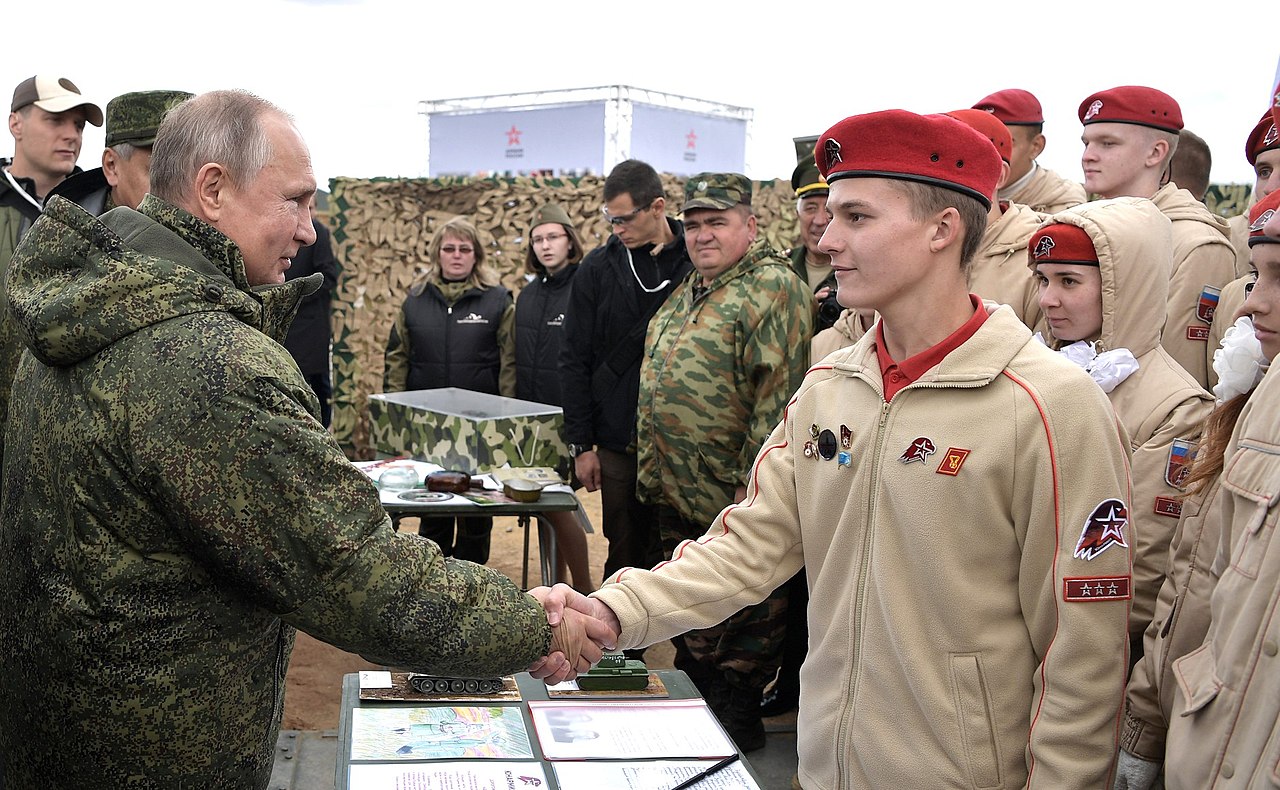
It is important to distinguish the ideology of militarism from the process called militarization. Militarism is a set of beliefs promoting military values as desirable for society; militarization describes the concrete expansion of military power, presence, or influence—such as increased armaments, military roles in policing, or the placement of military figures in civilian government roles. A society may be militarized without unanimous popular support for militarist ideology, and conversely, militarist ideas can exist without full institutional militarization (conceptual frames, case studies).
Contemporary considerations and debates
Modern discussions about militarism address its compatibility with democratic governance, human rights, and economic priorities. Scholars analyze civil–military relations, the role of armed forces in crisis response, and how militarist rhetoric can shape national identity. Debates also consider how states balance defense needs with civilian oversight and how education, business, and entertainment can reflect or resist military-inspired norms (civil–military research, policy analysis, international comparisons).
While some nations have historically institutionalized military values more deeply than others, each case differs in degree and form. Interested readers can explore further resources on theoretical perspectives, historical examples, and present-day implications.
Further reading and related topics
- Discipline and social order
- Military organization and civilian institutions
- Cultural representations of military virtues
- Policy approaches to military-style management
- Defense spending and public budgets
- Historical surveys of militarist societies
- Comparative political studies of military influence
- Education and civic training
- Entertainment and militarist themes
- Concepts: militarism vs. militarization
- Case studies in civil–military relations
- Research on modern civil–military balance
- Policy analysis of armed forces' roles
- International comparisons of military influence
- Leadership and the role of military figures in government
Related articles
Author
AlegsaOnline.com Militarism: ideology, characteristics, history, and societal effects Leandro Alegsa
URL: https://en.alegsaonline.com/art/64957