
Empress Gemmei (Genmei): Nara-period empress who established Heijō-kyō
Empress Gemmei (660–721), the 43rd monarch in Japan's traditional list, ruled 707–715, moved the capital to Heijō-kyō (Nara) and ordered compilation of the Kojiki; she later abdicated to her daughter Genshō.
Overview
Empress Gemmei (also rendered Genmei; 660–December 29, 721) was a Japanese sovereign who is counted as the 43rd ruler in the traditional sequence of emperors and empresses. She held the throne from 707 until her abdication in 715 and is best known for establishing a permanent capital at Heijō-kyō (modern Nara) and for sponsoring the collection of early historical records. Her reign sits at the start of what historians call the Nara period.
Image gallery
3 Images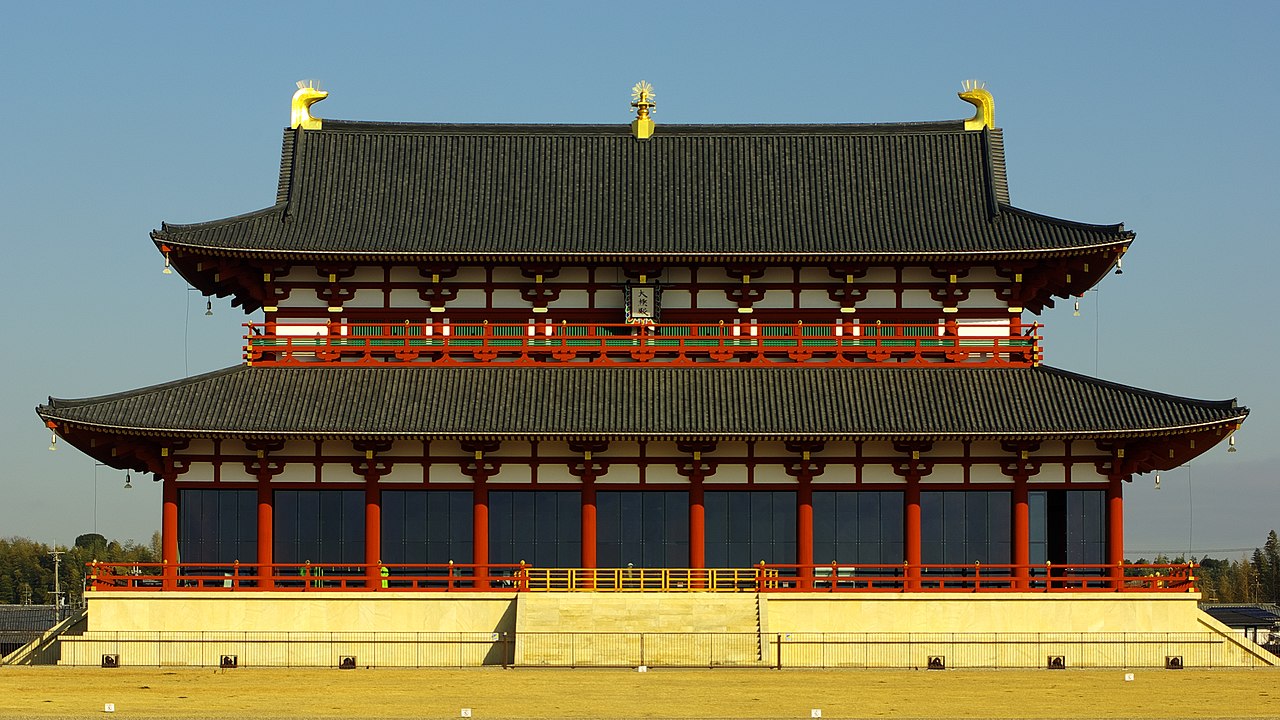


Reign and major initiatives
Gemmei came to power after the death of her predecessor and ruled during a time of consolidation of centralized government established by earlier reforms. In 710 she ordered the court to relocate to Heijō-kyō, a grid-planned city intended as a stable seat of government and ritual authority. During her years on the throne the court pursued legal and administrative work that built on the ritsuryō codes of the late seventh and early eighth centuries.
Cultural and historical projects
One of the most enduring acts of Gemmei's reign was the commissioning and completion of Kojiki, a compilation of myths, genealogies and early history that was finished in 712. The Kojiki became a foundational text for Japanese history, religion and court legitimacy. The effort reflected the court's interest in preserving records of lineage and legend to strengthen imperial authority and the state's cultural identity.
Succession and later life
In 715 Gemmei abdicated the throne in favor of her daughter, who ruled under the name Empress Genshō. Abdication in favor of a close relative was not uncommon in this era and often aimed to secure a smooth dynastic transition. After stepping down, Gemmei remained an influential figure at court until her death on December 29, 721 (death date source).
Legacy and notable facts
- Gemmei is one of the small number of women in Japanese history who served as sovereign; she is traditionally numbered as the 43rd monarch (traditional succession list).
- The move to Heijō-kyō in 710 marks the beginning of the Nara period, a formative era for Japan's institutions, literature and Buddhist patronage.
- The Kojiki, compiled under her patronage, remains a central source for early Japanese myths and genealogies and influenced later chronicles and state ideology.
While the details of court life and politics in Gemmei's time are mediated by later chronicles, her association with the founding of a permanent capital and the preservation of early history give her a lasting place in Japan's political and cultural development.
Related articles
Author
AlegsaOnline.com Empress Gemmei (Genmei): Nara-period empress who established Heijō-kyō Leandro Alegsa
URL: https://en.alegsaonline.com/art/31291
Sources
- books.google.com : "Gemmei"
- wikidata.org : wikidata.org/wiki/Q233224
- isni.org : 0000 0000 8044 2618
- id.loc.gov : no2010091866
- id.ndl.go.jp : 01192214
- idref.fr : 146748182
- viaf.org : 121897991
- worldcat.org : lccn-no2010091866