
Electrical conduit: types, uses, and installation overview
A clear guide to electrical conduit: purpose, common materials and types, typical uses, installation considerations, and how conduit differs from cable wiring.
Electrical conduit is a tubular raceway that protects and routes electrical conductors in buildings and other structures. By enclosing individual wires or bundled cables, conduit provides mechanical protection, helps organize wiring paths, and can serve as an equipment grounding conductor when metallic. Conduit systems are used where durability, fire resistance, or accessibility for maintenance are priorities.
Image gallery
8 Images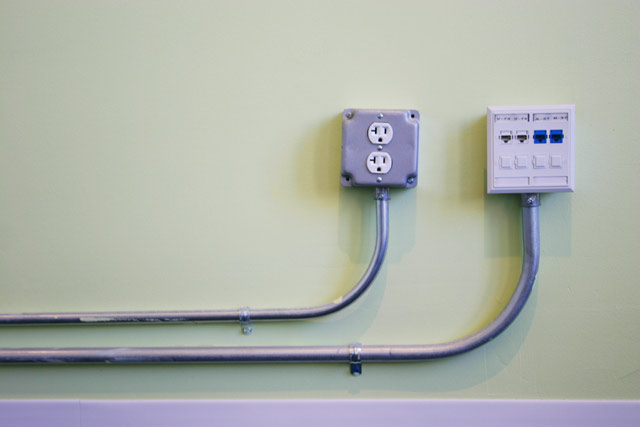




Types and materials
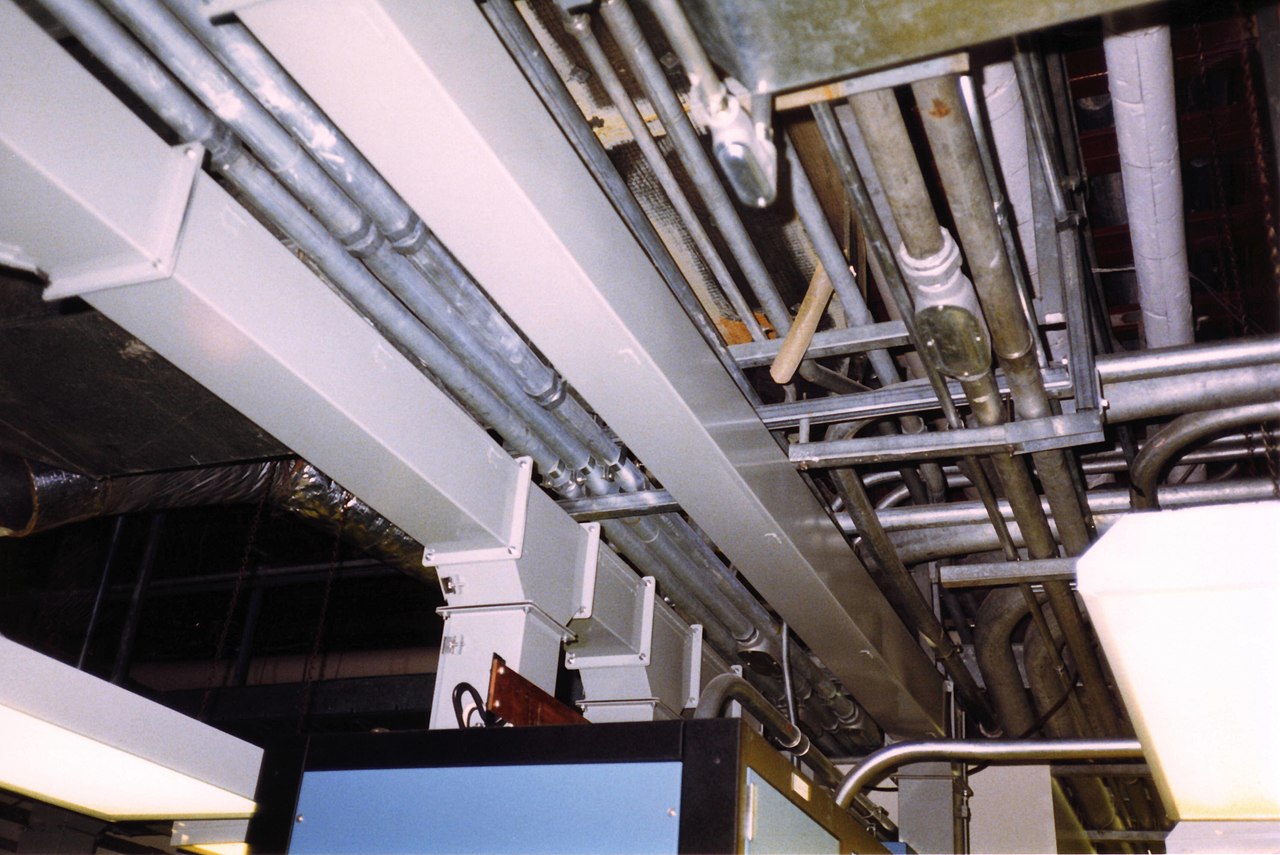
- Electrical metallic tubing (EMT) — a thin-walled steel conduit commonly used in commercial and light industrial settings; it is lightweight and easy to bend on site.
- Rigid metal conduit (RMC) and intermediate metal conduit (IMC) — thicker, heavier steel or iron pipe that offers greater mechanical protection for harsh environments.
- Flexible conduit — corrugated metal or nonmetallic tubing used where movement or vibration requires flexible routing.
- Nonmetallic conduit — typically polyvinyl chloride (PVC) or other plastics, used for corrosion resistance, underground runs, or where electrical isolation is desired.
Conduit may be manufactured from steel, aluminum, or plastic. Each material has tradeoffs: metal types can carry grounding, while plastics resist corrosion and are lighter. Conduit sections are joined with fittings and connectors to preserve continuity and protect conductor insulation at terminations.
Installation details include proper bend radii, conduit fill limits (how many conductors may be placed inside), and secure support at intervals. Conduit systems often require threaded or compression fittings, sealing in wet locations, and accommodating transitions to boxes and equipment. Special conduit and fittings are available for hazardous or high-temperature environments.
Historically, conduit developed alongside modern building electrification as a safer alternative to exposed wiring. As wiring methods evolved, conduit use concentrated in commercial, industrial, and institutional settings, and in parts of residential buildings where added protection is needed — for example in garages, basements, or exterior runs. Local electrical codes and standards guide acceptable conduit types and installation practices.
Conduit is frequently contrasted with nonmetallic sheathed cable (commonly called NM cable or by the trade name Romex), which bundles conductors in a single jacket and is widely used for general residential circuits. Compared with NM cable, conduit allows individual wires to be pulled later for modifications or replacements, and it better resists physical damage (protection from damage) and heat in many applications. For more on wiring methods, see an overview of conductors and installation practices (wiring basics).
Common practical considerations include cost and labor (conduit installations are often more time-consuming), compatibility with existing systems, and whether metallic conduit can serve as a grounding path or if a separate ground conductor is required. Manufacturers and standards bodies provide guidance on material properties and approved uses (metal conduit, plastic conduit), and local codes determine final acceptance. When planning a wiring project, consult licensed electrical professionals and applicable regulations to choose the appropriate conduit system.
Related articles
Author
AlegsaOnline.com Electrical conduit: types, uses, and installation overview Leandro Alegsa
URL: https://en.alegsaonline.com/art/30694