
Alpine lake
Freshwater lakes at high elevations, often above the tree line; formed by glaciers, tectonics or dams and noted for cold, clear, low-nutrient waters and sensitive ecosystems.
Overview
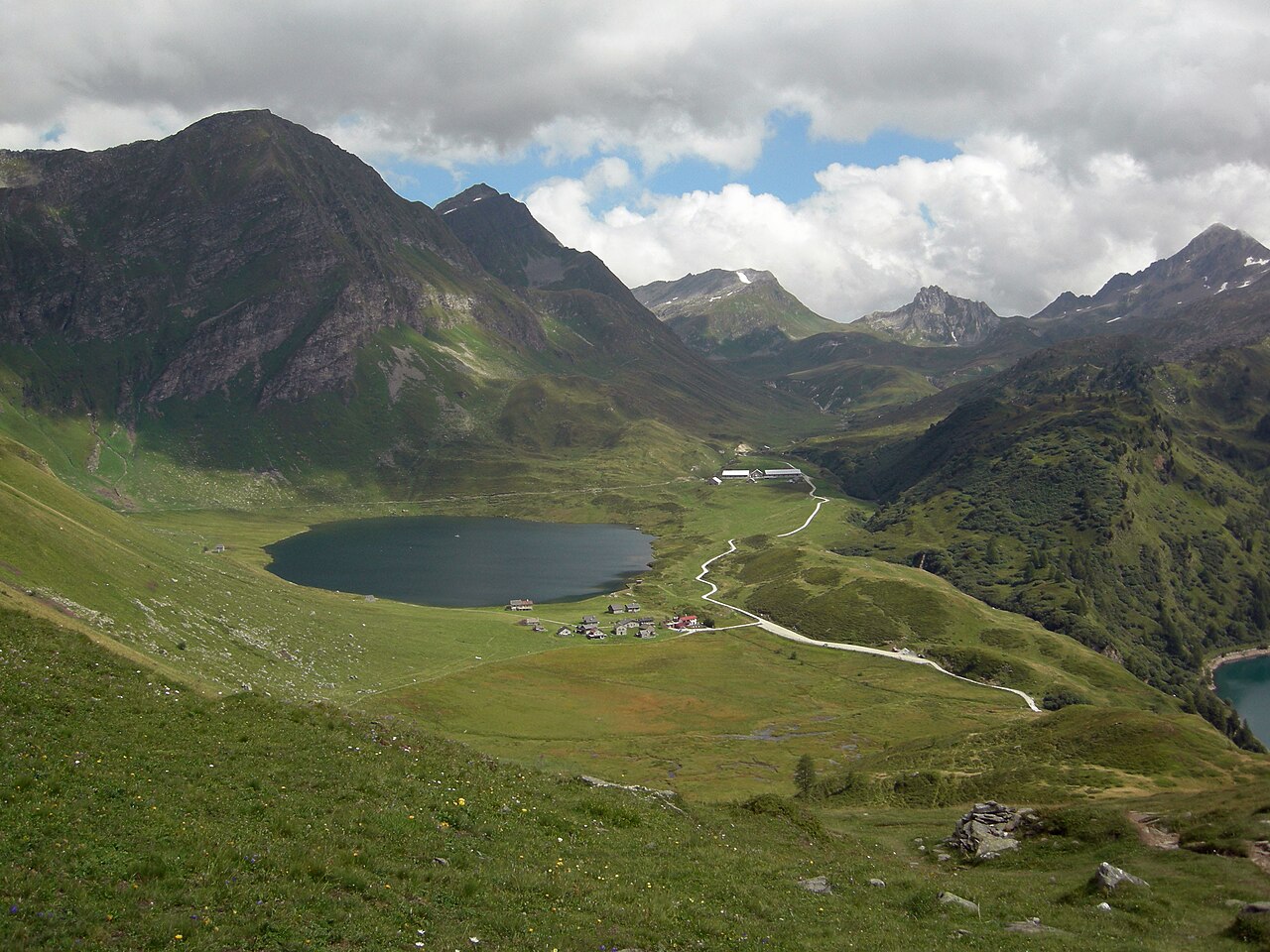
An alpine lake is a body of freshwater found at high elevation, typically above the regional tree line or several thousand feet/metres above sea level. These lakes occur in mountain ranges worldwide and are commonly smaller, colder and clearer than lowland lakes. Definitions, limits and classifications vary by region; for a general definition see definitions and typical elevation considerations at altitude references.
Image gallery
8 Images




Physical characteristics and surroundings
Alpine lakes are often oligotrophic — low in nutrients — because cold temperatures slow biological processes and limit the growth of algae and aquatic plants. Reduced algal growth and limited submerged vegetation contribute to high water clarity; discussions of algal ecology and its control can be found at algae sources and moss ecology. Surrounding vegetation tends to be sparse or specialized: above the tree line, plant cover is alpine tundra, while lower alpine shores may be bordered by hardy conifers such as pines and stands of aspens (pines, aspens).
Origins and lake types
Many alpine lakes owe their existence to past or present glacial action. Common types include:
- Tarns or cirque lakes carved into bedrock by glaciers.
- Paternoster chains — series of small glacial lakes linked along a valley.
- Moraine-dammed basins formed where glacial debris blocks drainage.
- Other origins include tectonic and volcanic basins, or human-made high-elevation reservoirs.
Ecology, uses and importance
Biological communities in alpine lakes are adapted to low temperatures, seasonal ice cover and short growing seasons. Cold-water fish (often trout and char) and specialized invertebrates are common; isolation can lead to unique or endemic species. People value alpine lakes for drinking water, irrigation, recreation, hydropower and scientific study, and they are often focal points in national parks and mountain landscapes. For regional examples and further reading see examples and case studies.
Conservation and threats
Alpine lake ecosystems are sensitive to disturbance. Threats include climate warming (reduced ice cover and altered inflows), glacial retreat, introduced species, and nutrient or pollutant inputs from tourism and development. Conservation approaches emphasize monitoring, limiting nutrient loading, protecting catchments, and managing invasive species.
Notable distinctions
Not every mountain lake is strictly “alpine” by every definition: some are subalpine or montane depending on elevation and vegetation zones. For regional treeline definitions consult tree line resources. When reading about high-elevation lakes, check whether the source refers to natural glacial lakes, tectonic basins, or reservoirs created by dams.
Tags
Related articles
Author
AlegsaOnline.com Alpine lake Leandro Alegsa
URL: https://en.alegsaonline.com/art/2982