
Bohemian Forest (Šumava / Böhmerwald) — Central European mountain and forest region
A mountain and forest area on the Czech–Austrian–German border, known for extensive woodlands, peat bogs, glacial lakes, national parks and long traditions of conservation and outdoor recreation.
Overview
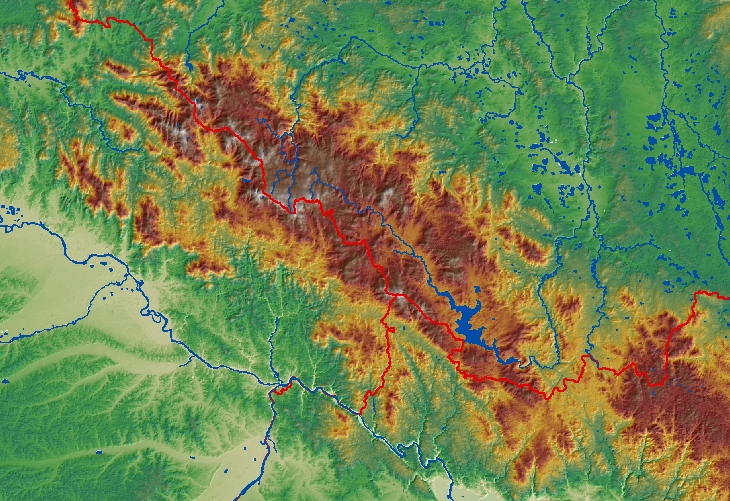
The Bohemian Forest is a broad, forested mountain region in central Europe. It forms a natural frontier between nations and cultures and stretches across what is today the Central Europe corridor, spanning parts of the Czech Republic, Austria and Germany. Locally it is known by names such as Šumava (Czech) and Böhmerwald (German).
Image gallery
9 Images





Geography and landscape
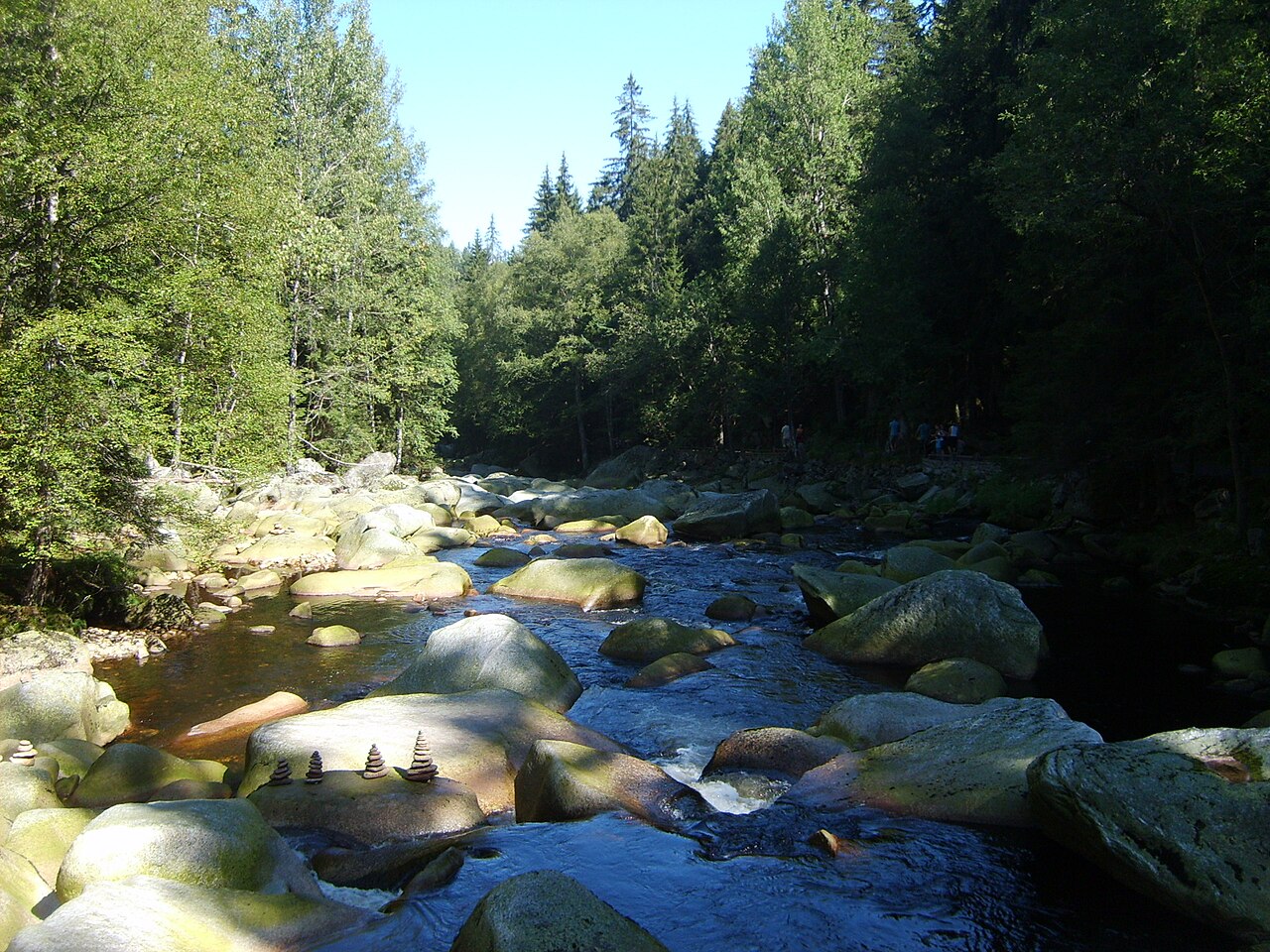
The region is a low mountain range of rounded summits and broad ridges. Elevations generally rise to the high hundreds and low thousands of metres, creating a cool, humid climate that supports dense mixed and coniferous forests. The terrain includes plateaus, stream valleys, peat bogs and a number of clear, glacially formed lakes. Rivers born here flow outward to several different European basins.
Ecology and protection
The Bohemian Forest is valued for its relatively large tracts of semi-natural woodland, home to species typical of Central European mountains. Many areas are set aside for conservation: notable protected zones include Šumava National Park in the Czech Republic and the adjacent Bavarian Forest National Park in Germany, together forming one of the continent’s important transboundary nature reserves. Conservation efforts focus on natural regeneration, peatland protection and large-scale corridor connectivity for mammals and birds.
History and human use
Human activity in the forest goes back centuries and includes traditional forestry, pastoral use and specialized crafts such as glassmaking. Over time the border location has produced shifting settlement patterns and periods of low population density, which helped preserve large natural areas. In the 20th century national parks and cross-border cooperation further changed land management toward conservation and recreation.
Tourism and cultural importance
Today the Bohemian Forest attracts hikers, cross-country skiers and nature observers. Marked trails, visitor centres and local cultural sites make the area accessible while protected status seeks to balance visitor use with ecological restoration. The region is also a living cultural landscape, with folklore, traditional small-scale farming and towns that reflect its mixed heritage.
Notable facts
- The forest forms part of a continuous green belt linking multiple protected areas across three countries.
- Its mosaic of bogs, lakes and old forests is important for water regulation and biodiversity.
- Cross-border projects and parks are often cited as examples of international nature cooperation.
Tags
Related articles
Author
AlegsaOnline.com Bohemian Forest (Šumava / Böhmerwald) — Central European mountain and forest region Leandro Alegsa
URL: https://en.alegsaonline.com/art/12701