
Pic Carlit — highest peak of Pyrénées-Orientales in the French Pyrenees
Pic Carlit (Puig Carlit) is a 2,921 m summit in the eastern French Pyrenees. Highest point of Pyrénées-Orientales and former Languedoc-Roussillon, noted for alpine lakes, hiking from Lac des Bouillouses and scenic views.
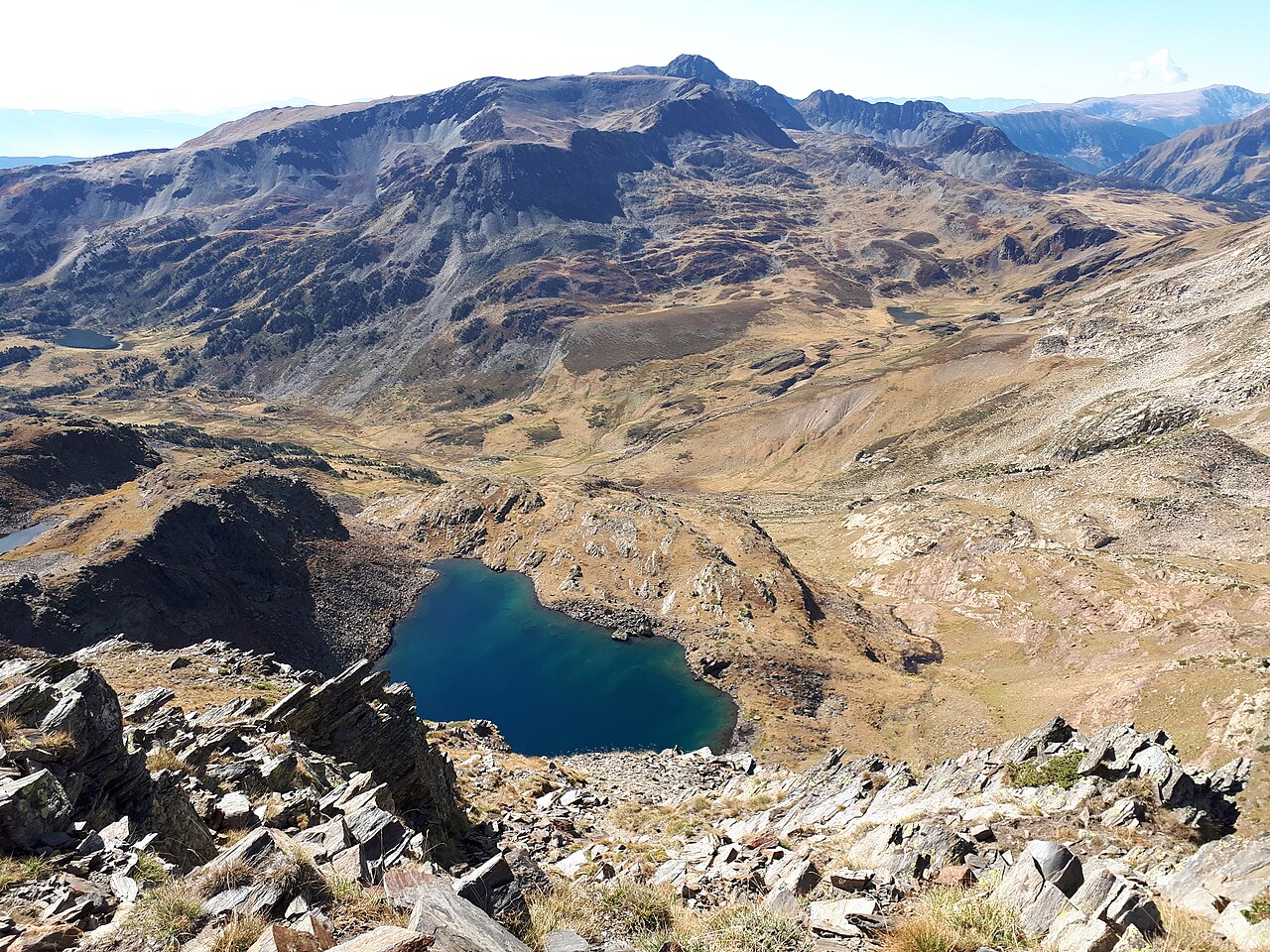
Pic Carlit (French: Pic Carlit; Catalan: Puig Carlit) is a prominent mountain in the eastern sector of the French Pyrenees. The summit reaches an elevation of 2,921 m and commands wide views across the Pyrenees chain. Its rocky ridges and glacial hollows form a distinct landscape of high plateaus and numerous small lakes.
Image gallery
6 Images




Geography and status
Pic Carlit lies within the departmental boundaries of Pyrénées-Orientales, and is the highest point of that department as well as of the former administrative region of Languedoc-Roussillon. The mountain is located in the national territory of France, in an area where French and Catalan cultural influences meet.
Landscape and geology
The massif around Pic Carlit reflects the long geological history of the Pyrenees, formed by the collision between the Iberian and Eurasian plates that uplifted the range. Subsequent Pleistocene glaciation sculpted basins and cirques that now host tarns and small lakes. The terrain combines steep rocky ridges, scree slopes and high-altitude meadows; snowfields may persist well into the warmer months on shaded aspects.
Ecology
The high-elevation environment supports alpine and subalpine plant communities adapted to short growing seasons, together with fauna typical of mountain zones. Observers report a variety of mountain birds and small mammals in the area; wetlands and lakes provide habitat diversity and attract naturalists interested in high-mountain ecosystems.
Lakes and routes
Pic Carlit is especially noted for the chain of lakes below the summit, with the reservoir and popular starting area at Lac des Bouillouses providing access for day hikes. Many routes begin from the Bouillouses area and climb past series of tarns toward the summit ridges. Routes vary from steep but non-technical paths to longer, more exposed traverses; winter ascents require snow travel skills and avalanche awareness.
Access, recreation and safety
- Typical season: late spring through early autumn for most hikers; winter for ski tourers with appropriate experience.
- Trailheads and parking are concentrated around the Bouillouses reservoir and nearby valleys; local maps and guide information are recommended.
- Visitors should respect mountain safety practices, check conditions and follow local guidance to protect fragile alpine habitats.
Human and cultural context
The area around Pic Carlit is part of a borderland with both French and Catalan linguistic and cultural influences; the Catalan name Puig Carlit remains in local use. The peak appears in regional guidebooks and is a frequent objective for walkers, naturalists and photographers drawn by its lakes and panoramas.
For practical planning and up-to-date information consult regional guide resources for the French Pyrenees, local tourism pages for Pyrénées-Orientales, and materials relating to the former Languedoc-Roussillon region. General maps and route descriptions may also be found through conservation and mountaineering organisations and local visitor centres. Relevant administrative and geographic references include the department (Pyrénées-Orientales department) and national sources for France (France), while further background on the mountain name and local guides can be sought via the French-language and Catalan-language resources linked to the peak (French name, Catalan name).
Questions and answers
Q: What is Carlit?
A: Carlit is a mountain in the French Pyrenees.
Q: What is the elevation of Carlit?
A: The elevation of Carlit is 2,921 m (9,583 ft) above sea level.
Q: Which department is Carlit located in?
A: Carlit is located in the department of Pyrénées-Orientales.
Q: Which region is Carlit located in?
A: Carlit is located in the region of Languedoc-Roussillon, France.
Q: Is Carlit the highest point in its department?
A: Yes, Carlit is the highest point of the department of Pyrénées-Orientales.
Q: Is Carlit the highest point in its region?
A: Yes, Carlit is the highest point of the region Languedoc-Roussillon, France.
Q: What are the alternative names for Carlit?
A: The alternative names for Carlit are Pic Carlit (French) and Puig Carlit (Catalan).
Tags
Related articles
Author
AlegsaOnline.com Pic Carlit — highest peak of Pyrénées-Orientales in the French Pyrenees Leandro Alegsa
URL: https://en.alegsaonline.com/art/17036
Sources
- pyreneescatalanes.free.fr : "Le reliefs des Pyrénées-Orientales"
- peakbagger.com : "Pic Carlit, France"
- korpa.fr : "Les "premières" de Russell"