
Tree line (timberline): the ecological boundary of tree growth
The tree line (timberline) is the ecological limit where trees can no longer establish and grow. This article explains its types, causes, ecological importance, and how it is affected by local factors and climate change.
Overview
The tree line, also called the timberline, marks the outer limit of an environment where woody trees can survive and reproduce. It is a transition zone rather than a razor-sharp border: individual trees become increasingly stunted, sparse, or shrub-like as conditions approach the limit. The concept links to basic ideas of habitat and the biology of trees, and is studied across disciplines such as ecology and geology.
Image gallery
10 Images


Types of tree line
Ecologists distinguish several common forms of tree line based on the factor that limits tree growth. These types help explain why tree lines vary so much from place to place:
- Arctic tree-line: the northernmost edge of tree growth in the Arctic and the Northern Hemisphere, set largely by cold temperatures and a short growing season.
- Antarctic tree-line: the southern counterpart in the Southern Hemisphere, extremely limited by low temperatures and ice coverage.
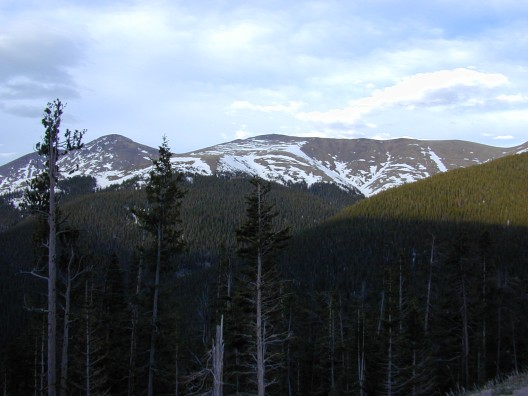
- Alpine tree-line: the highest elevation at which trees occur; above it the environment has an unfavourable climate often described as alpine.
- Exposure tree-line: where strong coastal exposure and prevailing winds stunt or prevent trees despite otherwise suitable altitude.
- Desert tree-line: areas where insufficient rainfall makes tree establishment impossible.
- Toxic tree-line: limits caused by high soil salinity, volcanic activity or chemical conditions such as hot rock and infrared flux, fumaroles (steam and gases), extreme soil pH, low oxygen (hypoxic) conditions, or human pollution. Examples include shores of highly saline bodies such as the Dead Sea and Great Salt Lake.
- Wetland tree-line: the limit at which waterlogged soils exclude oxygen from roots, such as margins of bogs; note that true swamps and mangrove ecosystems support trees despite permanent saturation.
Causes and characteristic features
Multiple environmental factors interact to form a tree line. Temperature and the length of the frost-free growing season are primary constraints at high latitudes and altitudes. Wind, snowpack duration, soil depth and fertility, water availability, and disturbances such as fire or volcanic activity also shape where trees can persist. In very exposed locations, the surviving individuals often take a stunted, flag-shaped form called krummholz, a German-derived term referring to "twisted wood" (German origin).
Ecological importance and measurement
The tree line is more than a scenic boundary: it is an ecological frontier that influences microclimate, habitat structure, and species distributions. Scientists use a variety of field and remote-sensing methods to map tree-line position and form, comparing canopy photos, plot inventories and satellite imagery to detect gradual changes. Because tree lines respond to temperature and seasonality, they are valuable indicators of environmental change; observed upslope or poleward shifts are often cited in studies of recent warming.
Human influence and notable distinctions
Human activities can alter tree-line position in several ways. Direct effects include land use change, grazing pressure and pollution, while indirect effects stem from global climate change which can lengthen growing seasons and allow trees to colonize formerly unsuitable ground. However, migration of tree species is constrained by seed dispersal, soil development, local topography and interactions with other organisms. The tree line resembles other natural boundaries such as shorelines and lake edges: easily seen from a distance but often diffuse at fine scales, with individuals gradually decreasing in size and density rather than ending abruptly.
Further notes
Understanding tree lines requires integrating climatic, geological and biological perspectives. While general rules (colder and drier limits reduce tree growth) hold, local exceptions are common. Researchers and land managers monitor tree-line dynamics to assess ecosystem health, forecast habitat shifts, and guide conservation. For more detailed resources and regional studies, consult specialist literature and datasets represented by the linked topics above.
Questions and answers
Q: What is the tree-line?
A: The tree line is the edge of a habitat at which trees can grow and beyond which they are unable to due to unfavorable conditions, such as cold temperatures or lack of water.
Q: What are the different types of tree lines?
A: The main types of tree lines include Arctic, Antarctic, Alpine, Exposure, Desert, Toxic and Wetland.
Q: What climate exists above the tree-line?
A: Above the tree-line exists an alpine climate characterized by cold temperatures and snow cover throughout much of the year.
Q: How does wind affect the lower elevation of some tree lines?
A: In coastal areas and isolated mountains, high winds can reduce tree growth so that trees only grow at lower elevations than in larger mountain systems with more protection from windy conditions.
Related articles
Author
AlegsaOnline.com Tree line (timberline): the ecological boundary of tree growth Leandro Alegsa
URL: https://en.alegsaonline.com/art/101336