
Reservoir: purpose, design, uses, and environmental effects
A reservoir is an engineered water body used to store and manage water supplies. This article explains what reservoirs are, how they are built, their main uses, and key environmental and social considerations.
Overview
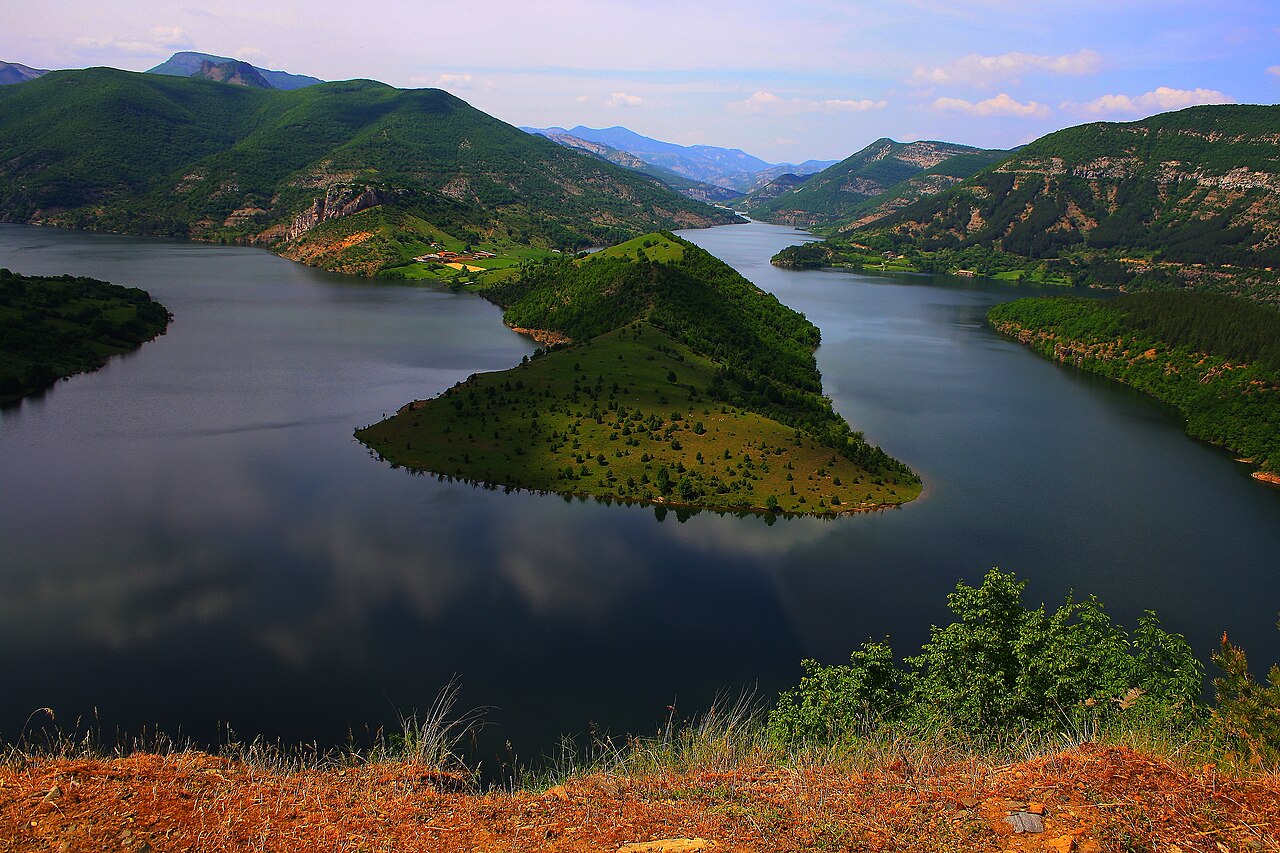
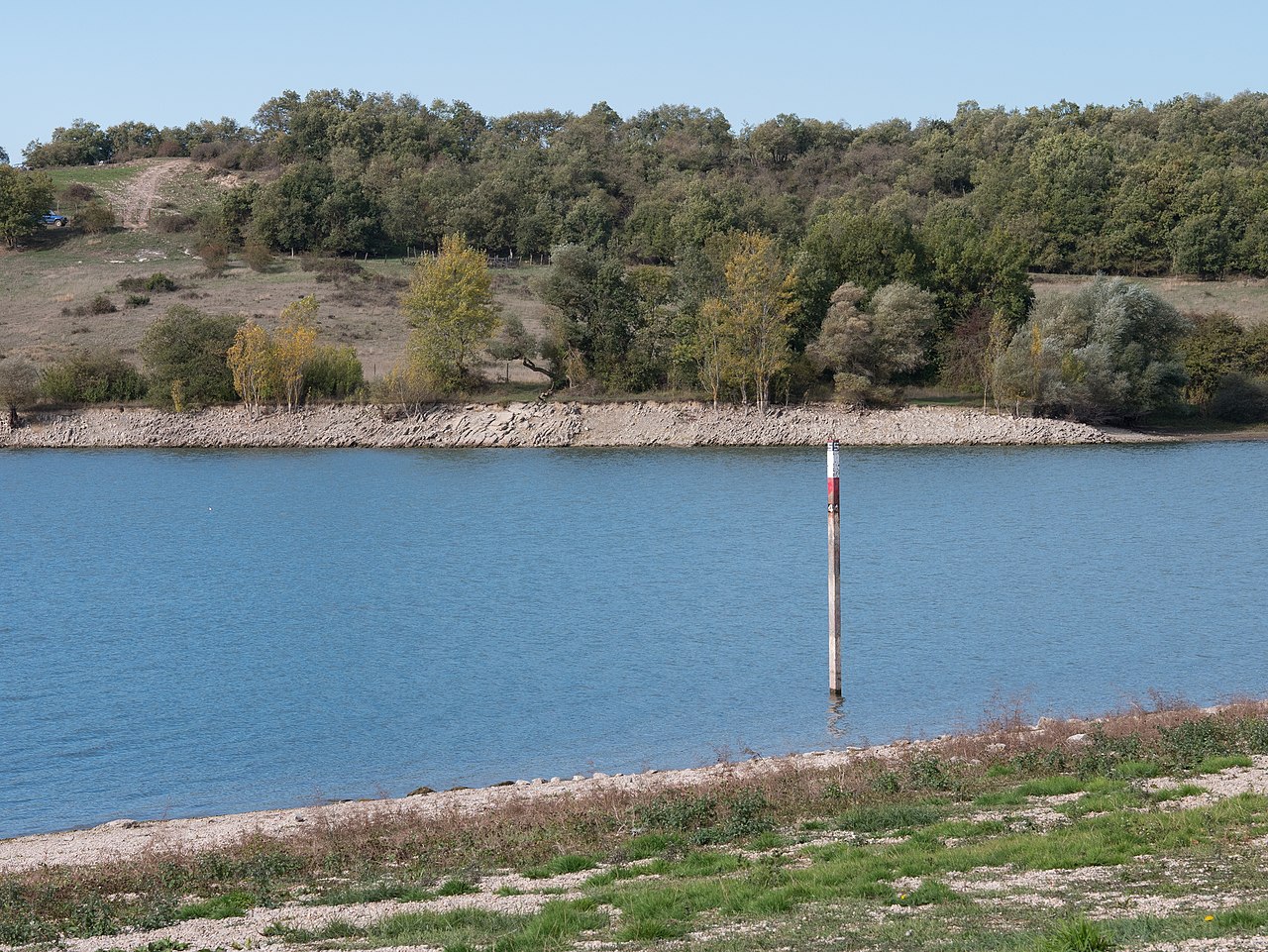
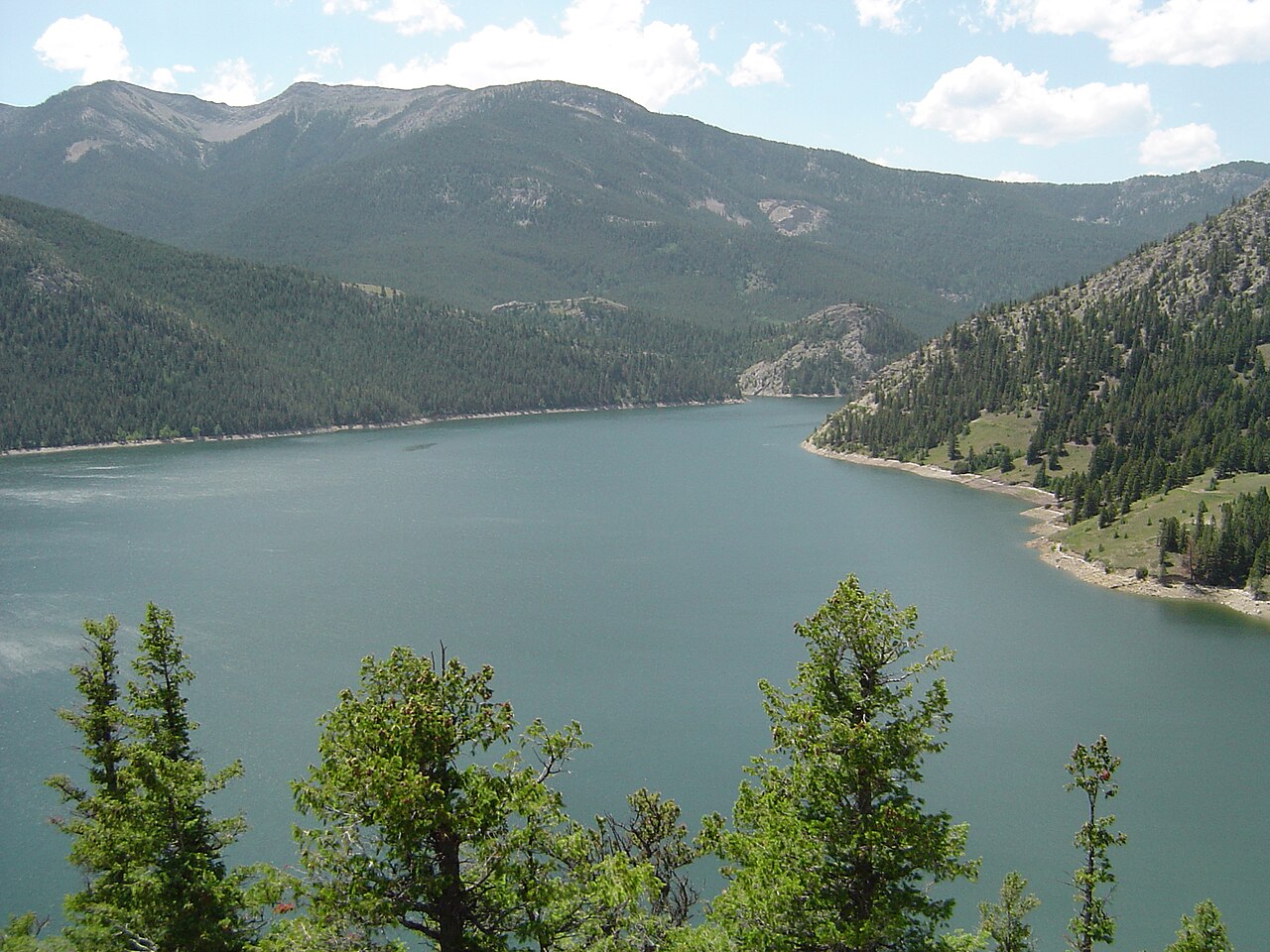
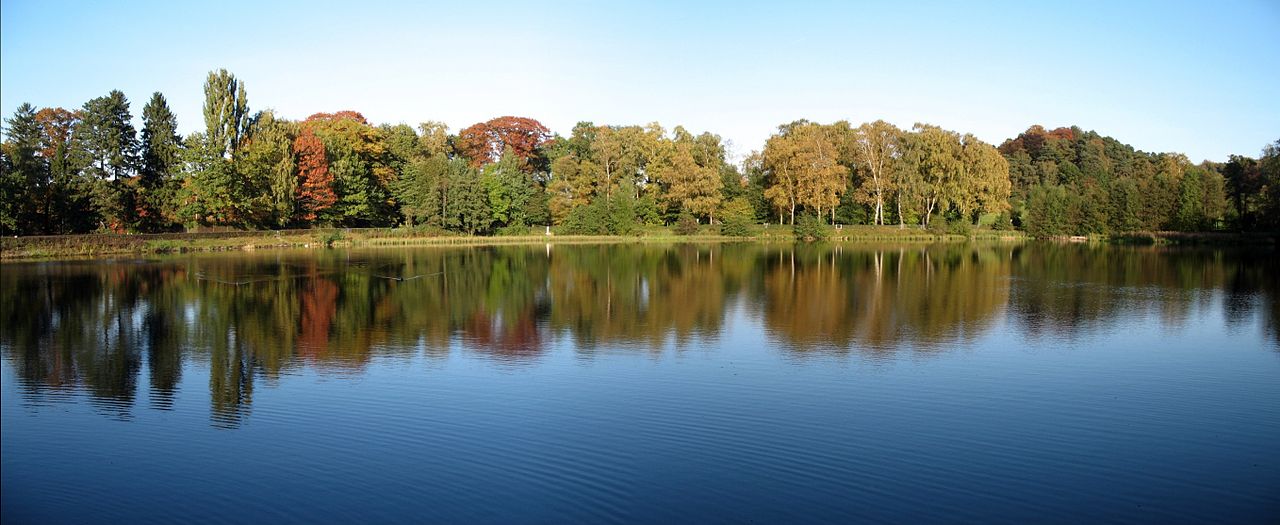
A reservoir is an artificial or modified body of stored water created by impounding rivers, diverting flows, or excavating basins. Unlike a natural lake, many reservoirs are deliberately engineered to hold and release water under controlled conditions. They act as buffers between variable river flows and steady demands for human and ecological uses.
Image gallery
10 Images





Design and main components
Typical reservoirs are formed behind a dam and include a storage basin, intake structures, spillways, and outlet works. Dams can be earthfill, rockfill, concrete gravity, or other types chosen for local geology and cost. Spillways allow excess water to pass safely, while intake gates regulate releases for downstream needs or turbines.
Uses and services
Reservoirs provide multiple, often competing services. Common functions include:
- Supplying water for drinking, industry, and irrigation.
- Generating hydroelectric power to produce electricity and support grid flexibility.
- Flood control by storing peak flows and releasing them gradually.
- Recreation, navigation, and habitat creation when managed for ecology.
History and development
Human societies have stored water for millennia with simple weirs and ponds; large-scale engineered reservoirs expanded with modern dam-building techniques in the 19th and 20th centuries to support urbanization, agriculture, and industry. Advances in materials, surveying, and environmental planning have influenced how reservoirs are designed and regulated.
Impacts, maintenance, and alternatives
While reservoirs provide valuable services, they also alter river ecosystems, trap sediment, change water temperature and chemistry, and sometimes require resettling communities. Ongoing maintenance addresses sedimentation, dam safety inspections, and water-quality management. Alternatives or complements to large impoundments include groundwater recharge, off-stream reservoirs, and water efficiency measures.
Distinctions and notable facts
Not all reservoirs are behind major dams; some are off-stream or underground and some natural lakes serve as reservoirs when managed for supply. Understanding trade-offs between benefits and environmental or social costs is central to contemporary reservoir planning and policy.
Related articles
Author
AlegsaOnline.com Reservoir: purpose, design, uses, and environmental effects Leandro Alegsa
URL: https://en.alegsaonline.com/art/82274