
Lake Baikal: Siberia’s Ancient, Deep Freshwater Basin
Lake Baikal in southern Siberia is the world’s deepest and one of the oldest freshwater lakes, storing about 20% of unfrozen surface fresh water and hosting exceptional endemic biodiversity.
Overview
Lake Baikal is a vast rift lake in southern Siberia, within the territory of Russia. It is internationally important for its exceptional depth, age and biodiversity. Located near the city of Irkutsk, Baikal has been the focus of geological, ecological and climate research for many decades and is protected as a UNESCO World Heritage Site (UNESCO listing, World Heritage summary).
Image gallery
10 Images




Physical characteristics
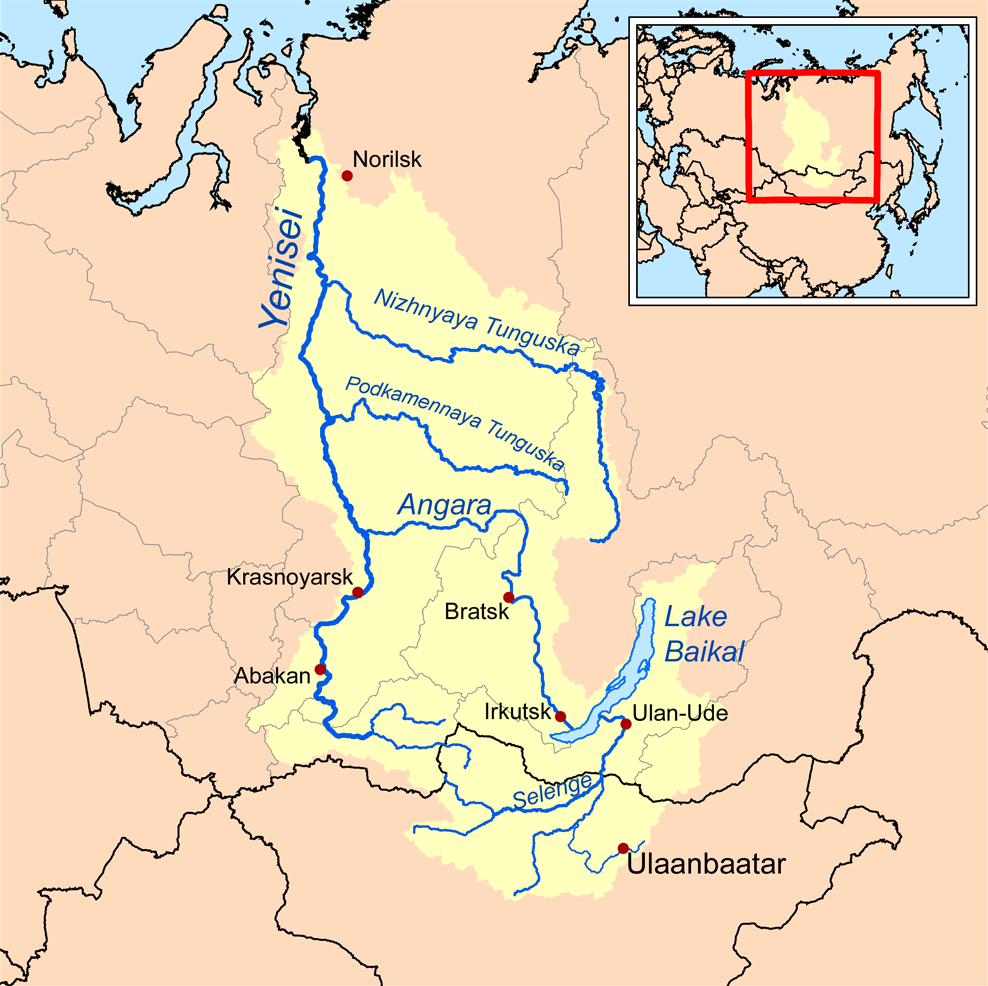
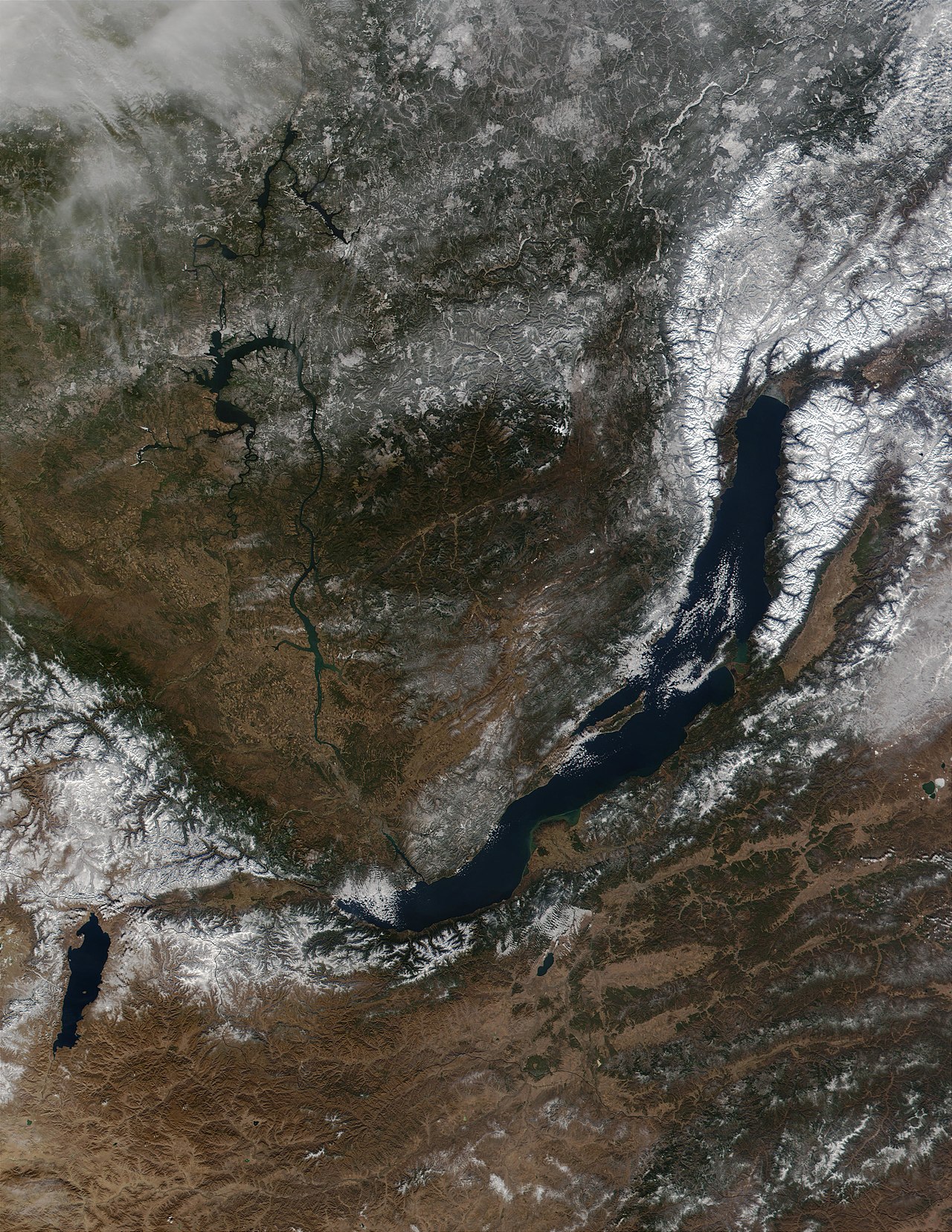
Baikal occupies an elongate rift basin formed where the Earth's crust is slowly pulling apart. The lake is roughly 636 km long and varies from about 20 to 80 km in width. It reaches a maximum depth of about 1,700 m, making it the deepest known freshwater lake, and contains an extraordinary volume of fresh water—commonly cited as roughly 20% of the world's unfrozen surface freshwater (freshwater data). The main outflow is the Angara River, which drains the lake to the Arctic basin.
- Length: ~636 km — see map and overview.
- Width: ~20–80 km.
- Maximum depth: ~1,700 m — studied in detail by deep-lake research.
- Age: one of the world's oldest lakes, often estimated at tens of millions of years.
- Major island: Olkhon and many smaller islands shape the coastline and habitats.
Biodiversity and ecology
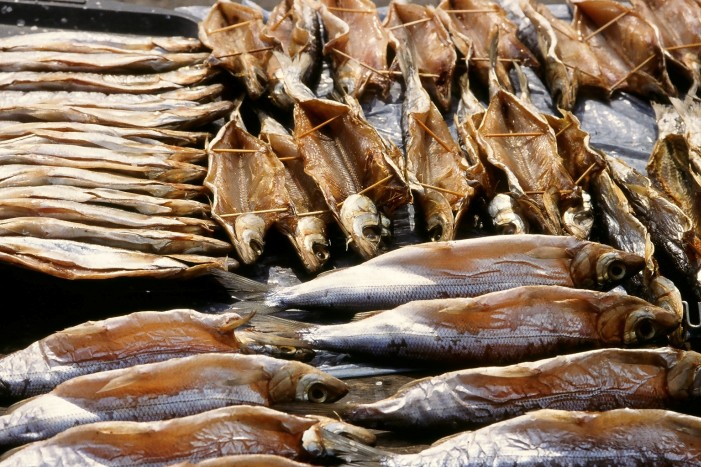
Lake Baikal supports uniquely high levels of endemism. Scientific inventories record thousands of species in and around the lake, with many groups—such as amphipods, sponges, and some fish—represented largely or entirely by endemic species. Famous examples include the freshwater seal, the nerpa (Pusa sibirica), and endemic fish such as omul. Cold, clear, oxygen-rich waters, varied shorelines and deep-water habitats have allowed distinct ecological communities to evolve over millions of years.
Climate, ice and hydrology
Baikal’s climate is continental: winters are long and cold and the surface typically freezes, producing thick, often transparent ice that attracts visitors and enables seasonal travel on ice roads in some areas. Spring and summer bring rapid melting and stratification of the water column, which influence nutrient cycles and biological productivity. The long sedimentary record beneath the lake has been used to reconstruct past climates and environmental change.
Human use, research and conservation
The lake is important for local communities and wider regions for freshwater supply, fisheries, transport and tourism. Towns and villages on the shoreline, research stations and nature reserves support scientific study and sustainable use. Over time Baikal has experienced environmental pressures including episodic pollution, shoreline development and impacts related to infrastructure such as dams on its outflow; these issues have stimulated conservation responses at local, national and international levels. Protected areas such as the Baikal Nature Reserve and nearby national parks, together with the UNESCO designation, aim to conserve the lake’s outstanding natural values while accommodating responsible tourism and research.
Readers seeking maps, technical summaries or management information can consult regional guides and scientific reviews (maps and overviews, deep-lake studies, freshwater data), or authoritative heritage material (UNESCO listing, World Heritage summary). For context about the region see materials on Siberia, the Russian Federation (Russia) and local hubs such as Irkutsk.
Questions and answers
Q: Where is Lake Baikal located?
A: Lake Baikal is located in Siberia, Russia near Irkutsk.
Q: How long is Lake Baikal?
A: Lake Baikal is about 636 km (395 mi) long.
Q: How wide is the lake?
A: The lake is 20 to 80 km (12 to 50 mi) wide.
Q: What is the deepest point of the lake?
A: The deepest point of the lake is 1,700 m (5,600 ft).
Q: Is it a UNESCO World Heritage Site?
A: Yes, Lake Baikal has been designated as a UNESCO World Heritage Site.
Q: How much fresh water does it hold? A: It holds about 20% of the world's unfrozen surface fresh water.
Q: What kind of species can be found in this lake? A: There are more than 1,700 species of plants and animals that can be found in this lake and two-thirds of them are not found anywhere else.
Related articles
Author
AlegsaOnline.com Lake Baikal: Siberia’s Ancient, Deep Freshwater Basin Leandro Alegsa
URL: https://en.alegsaonline.com/art/55463
Sources
- users.ugent.be : "A new bathymetric map of Lake Baikal. MORPHOMETRIC DATA. INTAS Project 99-1669.Ghent University, Ghent, Belgium; Consolidated Research Group on Marine Geosciences (CRG-MG), University of Barcelona, Spain; Limnological Institute of the Siberian Division of the Russian Academy of Sciences, Irkutsk, Russian Federation; State Science Research Navigation-Hydrographic Institute of the Ministry of Defense, St.Petersburg, Russian Federation"
- lin.irk.ru : "On the present state of the ecological system of lake Baikal"
- irkutsk.org : "About Lake Baikal=--- details from the Encyclopedia"
- whc.unesco.org : "Lake Baikal - UNESCO World Heritage Centre"
- cnn.com : "Lake Baikal: the great blue eye of Siberia" · web.archive.org
- britannica.com : "Russia"
- gi.alaska.edu : "The oddities of Lake Baikal"
- doi.org : 10.1016/S0025-3227(00)00117-1
- doi.org : 10.1130/0091-7613(2002)030<0631:SMVAMS>2.0.CO;2
- irkutsk.org : "WWW Irkutsk: Animals and fishes of Lake Baikal"
- unesco.org : "Baikalskyi"
- unesco.org : "Barguzinskyi"