
Pancreas: anatomy, functions, and clinical importance
Comprehensive overview of the pancreas: anatomy, exocrine and endocrine functions, regulation, common diseases (diabetes, pancreatitis, cancer), diagnosis, treatment and current research directions.
Overview
The pancreas is a soft glandular organ in the upper abdomen with both digestive and hormonal roles. Its exocrine cells produce digestive enzymes and bicarbonate to neutralize stomach acid and aid absorption, while its endocrine cells secrete hormones that regulate blood glucose and other aspects of metabolism. The gland lies behind the stomach, roughly spanning from the curve of the duodenum to the spleen on the left side of the body (position) (left side).
Image gallery
10 Images




Anatomy and microscopic organization
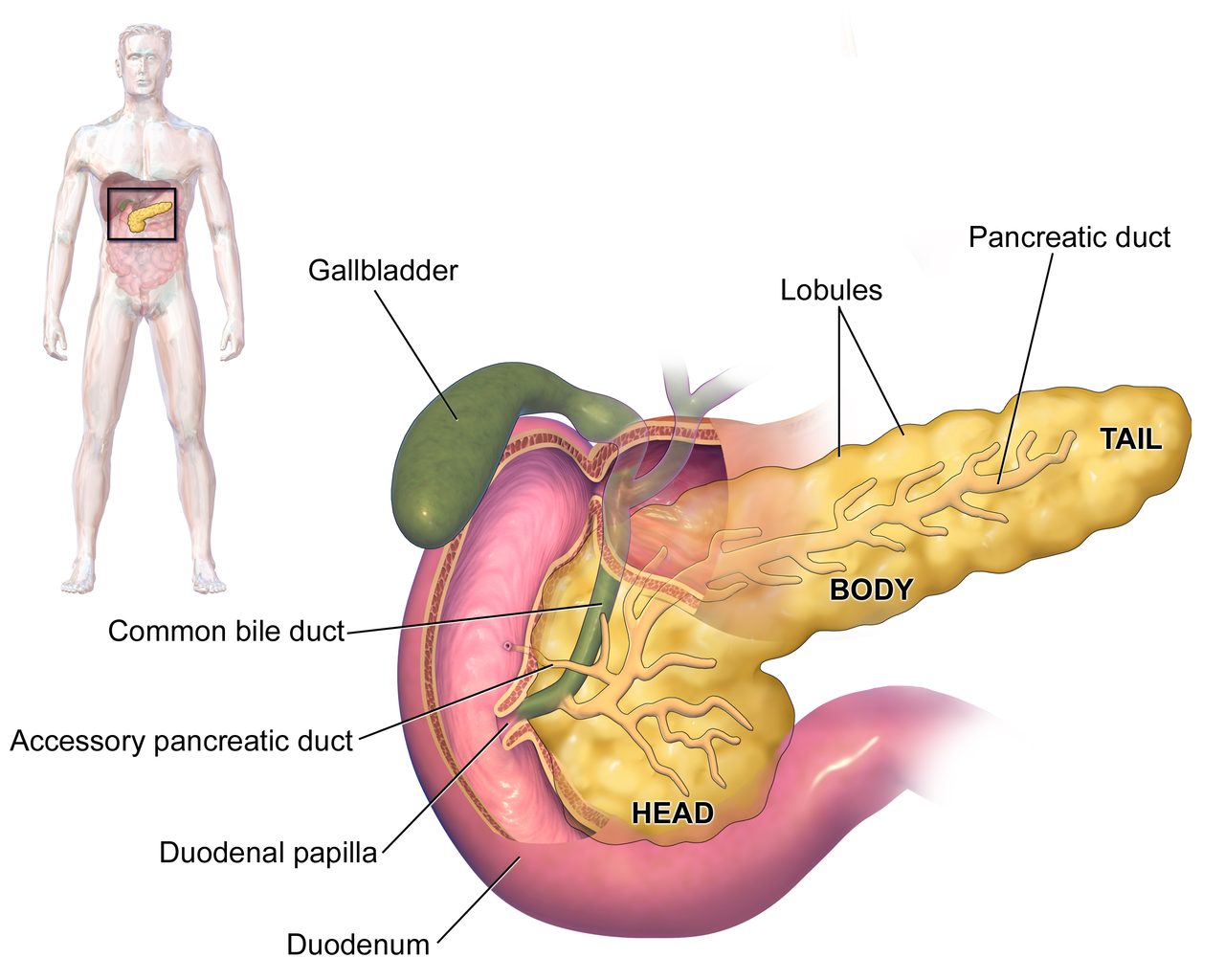
Grossly the pancreas is divided into the head (adjacent to the duodenum), body and tail (near the spleen). Microscopically it contains two intermingled functional compartments. The larger exocrine compartment consists of acinar cells that synthesize and secrete digestive enzymes and a ductal system that transports those secretions into the small intestine. The smaller endocrine compartment is formed by clusters of cells known as the Islets of Langerhans. Although the islets represent only a small fraction of the gland’s mass, they have outsized importance for hormonal control.
Primary functions
The exocrine pancreas releases enzymes that break down dietary carbohydrates, fats and proteins and bicarbonate to raise intestinal pH, facilitating enzymatic activity and absorption. Specific digestive roles include processing complex carbohydrates, emulsifying and hydrolyzing fats, and cleaving proteins into absorbable units. The endocrine islets continuously monitor blood nutrients and secrete hormones — including insulin, glucagon and somatostatin — to maintain metabolic balance. Islet cells adjust their output according to circulating signals and neural inputs (feedback control).
Regulation of secretion
Exocrine secretion is stimulated by hormones released from the small intestine in response to food: secretin promotes bicarbonate secretion, while cholecystokinin and neural signals stimulate enzyme release. Endocrine output is regulated by blood glucose, amino acids, autonomic nerves and paracrine interactions among islet cell types. These regulatory systems allow the pancreas to coordinate digestion with the metabolic needs of the body.
Development and integration
Embryologically the pancreas arises from foregut endodermal buds that later fuse and differentiate into exocrine and endocrine tissues. Because it serves both the digestive and endocrine systems, the pancreas is a key integrator of nutrient handling and whole-body energy homeostasis.
Clinical significance and common disorders
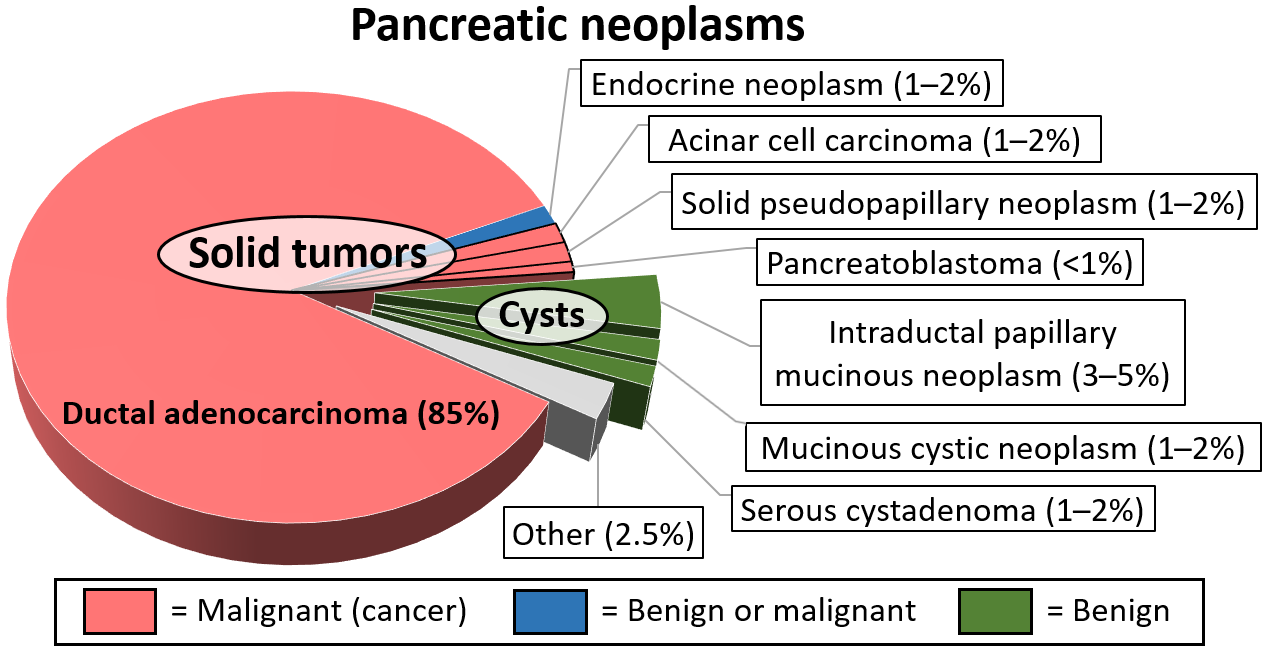
Pancreatic dysfunction can affect digestion, nutrition and metabolism. When islet cells fail to produce or when tissues fail to respond to insulin, the result is diabetes, a chronic condition requiring ongoing management. Inflammation of the gland (pancreatitis) may be acute or chronic and can reduce both digestive enzyme output and endocrine function. Pancreatic cancer is a serious malignancy that often presents late and can disrupt multiple pancreatic functions. Exocrine pancreatic insufficiency—insufficient enzyme production—leads to malabsorption and weight loss unless treated.
Diagnosis and clinical approaches
Diagnosis of pancreatic disease relies on history, laboratory testing, imaging and sometimes tissue sampling. Management is condition-specific: diabetes is commonly treated with lifestyle measures and hormone replacement such as insulin; exocrine insufficiency is treated with oral enzyme replacement; pancreatitis management ranges from supportive care to interventions when complications arise; and cancer treatment may include surgery, chemotherapy and palliative measures. Surgical removal of part or all of the pancreas affects both digestion and glucose control and may necessitate lifelong therapies.
Therapies and research
Beyond established medical and surgical approaches, research seeks to restore pancreatic function. Experimental strategies under study include donor islet transplantation and cell-based therapies that aim to replace or regenerate insulin-producing cells (research). Clinical trials and laboratory studies continue to explore stem cell differentiation, immunomodulation to prevent autoimmune destruction, and improved delivery of enzymes and hormones.
Practical considerations and patient resources
People with pancreatic disorders often require multidisciplinary care for nutrition, blood sugar control, pain management and cancer therapy when indicated. Patient education materials and reputable overviews can help explain anatomy and treatment choices; for general background see introductory resources on pancreatic structure, endocrine hormones and digestive enzymes. For condition-specific information consult materials on carbohydrate processing, fat metabolism, protein digestion, cellular feedback control, anatomical position (position) and laterality (left side). For research updates see sources on islet biology (islets), cellular makeup (cells) and experimental therapies such as transplantation (islet transplant). Further reading can be found through clinical summaries and specialist guides to the digestive and endocrine roles of the pancreas (digestive) (endocrine).
Summary
The pancreas is essential for digestion and metabolic regulation. Its dual roles mean that disease can have wide-ranging effects, but treatment and research continue to improve outcomes for many patients. Ongoing advances aim to preserve or restore both enzyme production and hormone secretion, reducing the long-term burden of pancreatic disorders.
Questions and answers
Q: What is the role of the pancreas in the body?
A: The pancreas produces enzymes and hormones to help with digestion and breaking down carbohydrates, fats, and proteins.
Q: Where is the pancreas located in the human body?
A: The pancreas is located behind the stomach and on the left side of the human body.
Q: What is the Islets of Langerhans?
A: Islets of Langerhans is the part of the pancreas that makes hormones to help regulate the chemical composition of the blood.
Q: How much percentage of the total cells in the pancreas make up the Islets of Langerhans?
A: The Islets of Langerhans make up only 2% of the total cells in the pancreas.
Q: What happens if the Islets of Langerhans stop working?
A: If the Islets of Langerhans stop working, it leads to diabetes, a disease where the body can't regulate blood sugar levels.
Q: How do doctors treat diabetes caused by the failure of Islets of Langerhans?
A: Doctors can take the Islets of Langerhans cells from a donor body and transplant them into the pancreas of a person with diabetes to make them well.
Q: To which systems of the body the pancreas belongs to?
A: The pancreas belongs to two systems of the body: the digestive system for its role in breaking down nutrients and the endocrine system for producing hormones.
Related articles
Author
AlegsaOnline.com Pancreas: anatomy, functions, and clinical importance Leandro Alegsa
URL: https://en.alegsaonline.com/art/74330
Sources
- doi.org : 10.3748/wjg.13.6347
- pubmed.ncbi.nlm.nih.gov : 18081223
- doi.org : 10.2741/2755
- pubmed.ncbi.nlm.nih.gov : 17981623