
Amborella: the basal living angiosperm endemic to New Caledonia
Amborella trichopoda is the sole species of Amborellaceae, an evergreen understory shrub native to New Caledonia and an important reference for the earliest flowering-plant lineages.
Amborella trichopoda is a small evergreen shrub that grows in the shaded understory of montane forests on the island of New Caledonia. It is the only species in the genus Amborella and the sole member of the family Amborellaceae. Because molecular studies consistently place Amborella at or near the base of the flowering-plant (angiosperm) tree, it occupies a unique position: living representatives of a lineage that split from other flowering plants very early in their history.
Image gallery
6 Images


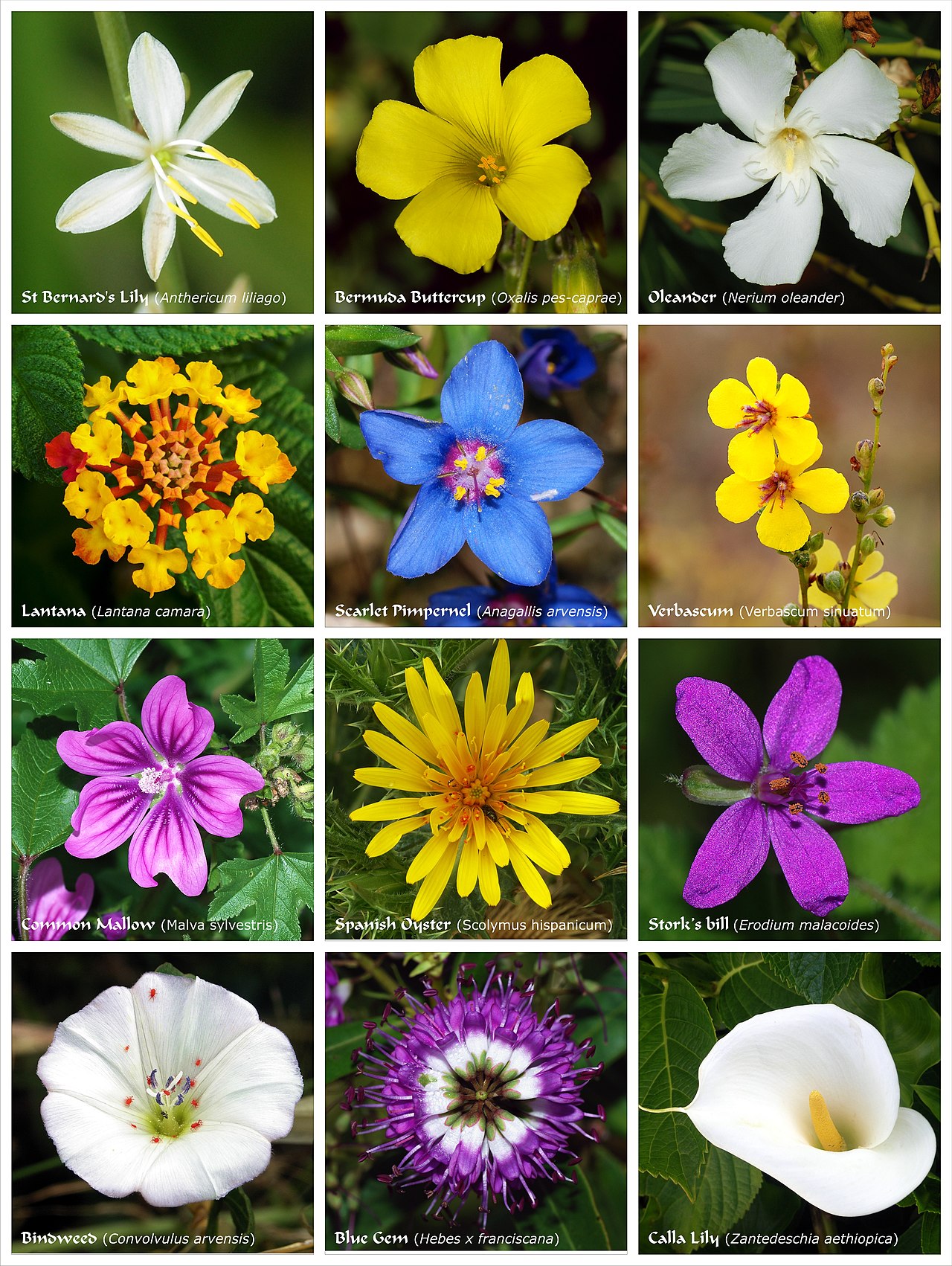

Description and distinguishing features
Plants of Amborella are woody, low-stature shrubs or small trees with simple leaves and small, inconspicuous flowers. Several anatomical and floral characters are notable because they differ from many familiar flowering plants. For example, Amborella lacks the specialized vessel elements found in the xylem of most angiosperms and instead relies on primitive water-conducting cells; its floral organs are arranged in a spiral and are relatively undifferentiated compared with those of more derived groups. These traits are often interpreted as either ancestral (plesiomorphic) for flowering plants or as the result of long, independent evolution in an isolated lineage.
Evolutionary significance
Phylogenetic analyses using DNA sequences and whole-genome data have repeatedly recovered Amborella as the sister group to all other extant flowering plants. This basal placement makes Amborella a critical reference for reconstructing features of the earliest angiosperms. By comparing traits present in Amborella with those shared by other angiosperm clades, researchers infer which characteristics are likely ancestral and which evolved later. The nuclear and organellar genomes of Amborella have been sequenced and are widely used in comparative studies of angiosperm evolution.
Habitat, distribution and conservation
Amborella is endemic to New Caledonia and confined to moist, shaded montane forest habitats. Its restricted geographic range and dependence on intact forest understory make it sensitive to habitat alteration, invasive species, and other local threats. Conservation efforts emphasize protection of forest stands where Amborella occurs and continued monitoring of population trends. Because of its evolutionary importance, conserving Amborella preserves a unique branch of the angiosperm tree of life.
Research uses and notable facts
Researchers use Amborella as a comparative baseline to test hypotheses about floral and vegetative evolution in flowering plants. Studies that combine morphology, anatomy and genomics exploit its basal position to infer aspects of the ancestral angiosperm, such as patterns of floral organ arrangement, the genomic complement of early flowering plants, and the evolution of vascular tissues. Amborella has also figured in investigations of plant mitochondrial diversity and genome evolution.
Further reading and resources
- Taxon profile and basic description
- Habitat and ecology
- New Caledonia flora overview
- Biogeography of New Caledonia
- Genus Amborella overview
- Family Amborellaceae classification
- Species account for Amborella trichopoda
- Plant systematics and phylogeny resources
- Discussion of basal angiosperms
- General angiosperm references
- Sister-group relationships among flowering plants
Questions and answers
Q: What is Amborella trichopoda?
A: Amborella trichopoda is a small, evergreen shrub that occurs only in the moist, shaded understory of montane forests on the South Pacific island of New Caledonia.
Q: Why is Amborella of great interest to plant systematists?
A: Amborella is of great interest to plant systematists because molecular phylogenetic analyses put it at or near the base of the flowering plant lineage.
Q: How can the features of early flowering plants be inferred from Amborella?
A: Since Amborella is apparently basal among the flowering plants, the features of early flowering plants can be inferred by comparing derived traits shared by other angiosperms but not present in Amborella.
Q: What is the Amborellaceae?
A: The Amborellaceae are a line of flowering plants that diverged very early on (about 130 million years ago) from all the other living species of flowering plants.
Q: What is the relationship between Amborella and other flowering plants?
A: Among living flowering plants, Amborella is the sister group to all other flowering plants.
Q: How many species does the genus Amborella contain?
A: The genus Amborella contains only one species.
Q: Where does Amborella occur?
A: Amborella occurs only in the moist, shaded understory of montane forests on the South Pacific island of New Caledonia.
Related articles
Author
AlegsaOnline.com Amborella: the basal living angiosperm endemic to New Caledonia Leandro Alegsa
URL: https://en.alegsaonline.com/art/3303