
Amaranthaceae (amaranth family)
A cosmopolitan family of flowering plants—about 160 genera and 2,400 species—mostly herbs or subshrubs; includes food crops (amaranth, quinoa), ornamentals, halophytes and many species adapted to dry climates.
Overview
The Amaranthaceae, commonly called the amaranth family, is a diverse family of flowering plants in the order Caryophyllales. In its broad, modern circumscription the family comprises roughly 160 genera and about 2,400 species. Most members are herbs or subshrubs; trees and true climbers are rare. The group is cosmopolitan in distribution but reaches its greatest diversity in subtropical and tropical regions and in open, often dry or saline habitats. For a general introduction see the family entry at Amaranthaceae overview.
Image gallery
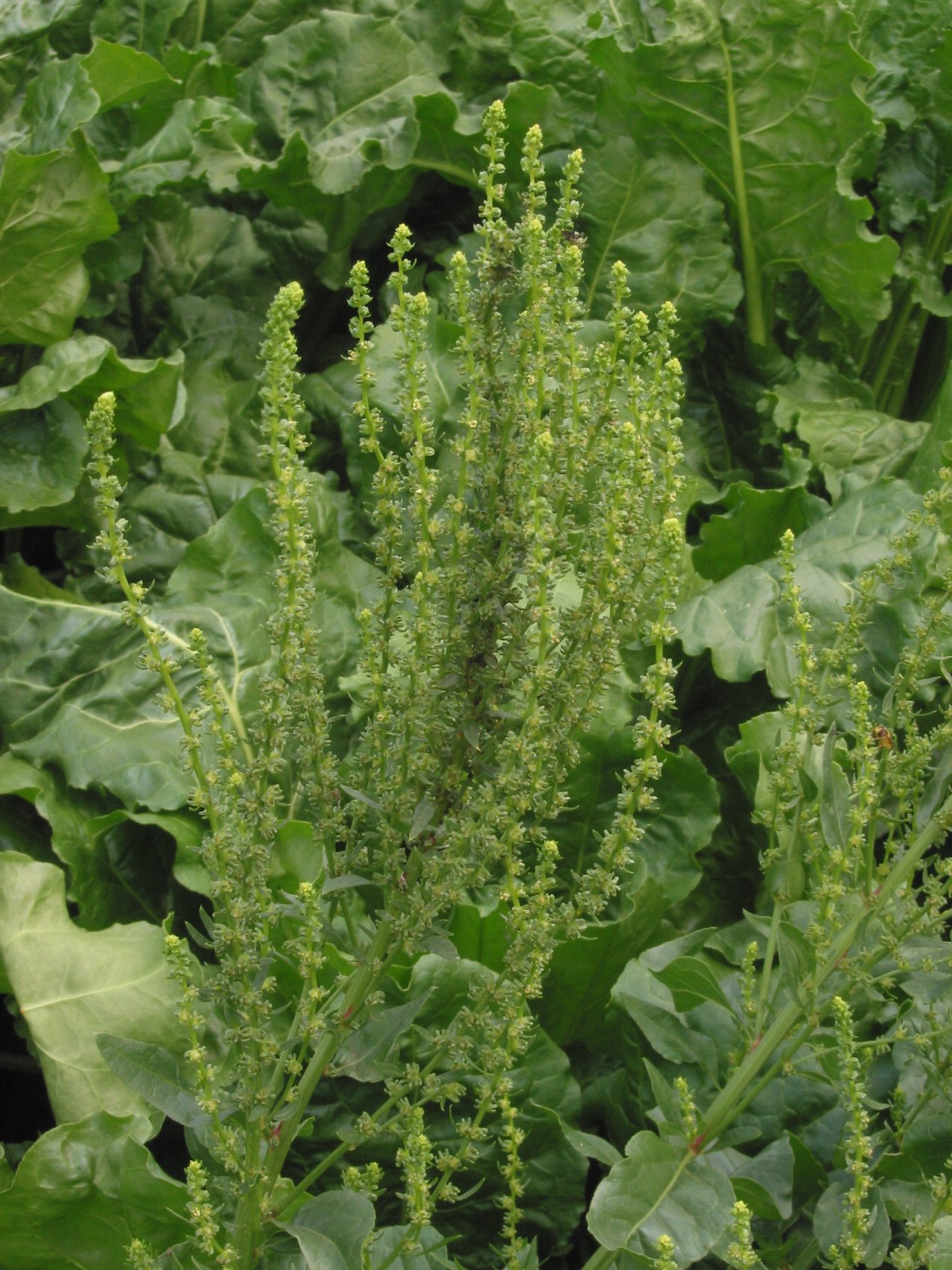
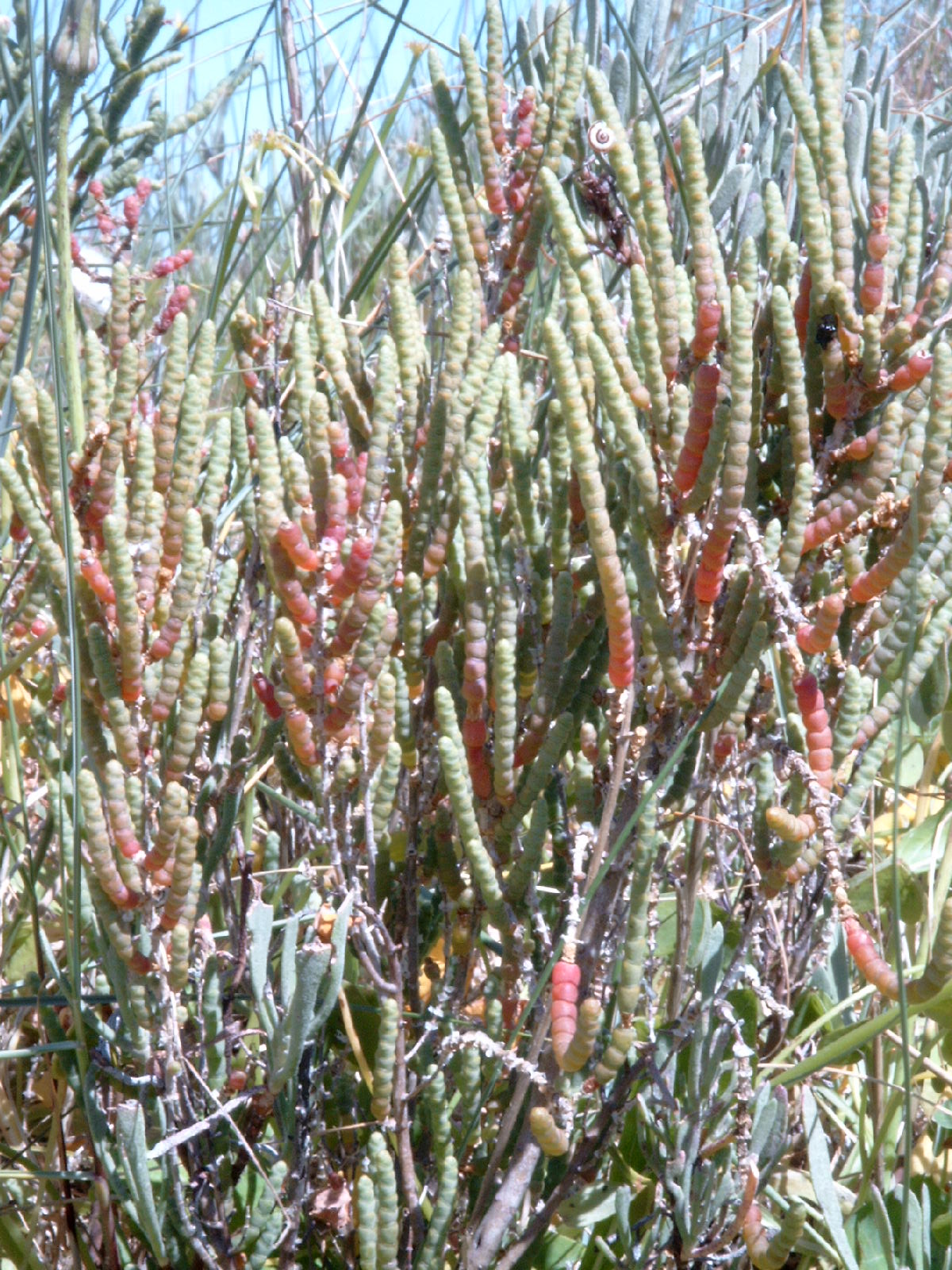
10 Images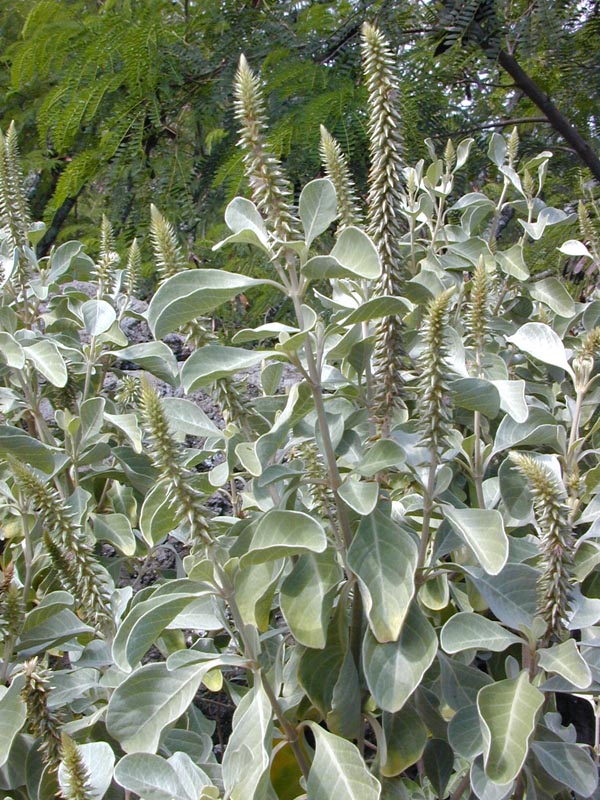


Morphology and anatomy
Amaranthaceae species show a range of forms but share several common traits. Leaves are usually simple and alternate, often without stipules. Flowers are typically small and lack prominent petals; they may be arranged in dense spikes, panicles or clusters, and are often subtended by colorful bracts that attract pollinators. Fruits are commonly small capsules, utricles or achene-like bodies enclosing one or a few seeds. Many taxa contain betalain pigments (rather than anthocyanins), a characteristic of several lineages within Caryophyllales.
Photosynthesis and ecological adaptations
The family includes both C3 and C4 photosynthetic pathways; C4 photosynthesis has evolved multiple times within the group and is particularly common among species adapted to hot, open, and arid environments. A number of genera include halophytes—plants tolerant of saline soils—which colonize coastal marshes, salt pans and disturbed saline ground. These adaptations have allowed members of Amaranthaceae to occupy marginal and pioneer habitats where few other plants thrive.
Taxonomy and relationships
Historically, many taxa now placed in Amaranthaceae were treated in a separate family, Chenopodiaceae. Molecular phylogenetic studies supported merging those chenopods into a broader Amaranthaceae sensu lato, uniting traditional amaranths with former chenopods such as Atriplex, Chenopodium and Salicornia. The reclassification reflects evolutionary relationships revealed by DNA data and explains the mixture of grain-producing, leafy, ornamental and salt-tolerant lineages within the single family.
Uses and cultural importance
Several members of Amaranthaceae are important to people as food, forage or ornamentals. Grain amaranths (species of Amaranthus) and quinoa (Chenopodium quinoa) are cultivated as pseudocereals for their small, nutrient-dense seeds. Many species are grown as leafy vegetables in diverse cuisines, and some genera such as Celosia and Gomphrena are popular ornamental plants valued for colorful inflorescences and bracts. Salt-tolerant taxa, including some Salicornia species, have been studied for uses in saline agriculture and as components of coastal habitat restoration projects. More general information about amaranth species and uses is available at amaranth.
Ecological and economic notes
- Members of the family play roles in stabilizing soils and colonizing disturbed sites, especially on saline or alkaline substrates.
- Some species are weedy and adaptable to human-altered landscapes; a few have become invasive outside their native ranges.
- The nutritional value of amaranth and quinoa seeds—high in protein and essential amino acids—has contributed to renewed interest in these crops globally.
Research and conservation
Ongoing research on Amaranthaceae spans taxonomy, crop improvement, ecology of halophytes, and the physiology of C4 photosynthesis. Conservation concerns largely reflect habitat loss and the need to preserve wild relatives of cultivated taxa, which can be important genetic resources for breeding and resilience in agriculture.
Related articles
Author
AlegsaOnline.com Amaranthaceae (amaranth family) Leandro Alegsa
URL: https://en.alegsaonline.com/art/3222