
Moisturizer (skin-care product)
A moisturizer is a topical formulation that helps maintain or restore skin hydration. This article explains how moisturizers work, common ingredients, product types, uses, and practical distinctions.
Overview
A moisturizer is a topical product designed to increase or preserve the water content of the outermost layer of the skin, the stratum corneum. Moisturizers are manufactured in many forms — creams, lotions, gels, ointments and balms — and are used to reduce dryness, improve skin texture and support the skin's natural barrier function. For a clinical summary see overview resources.
Image gallery
1 Image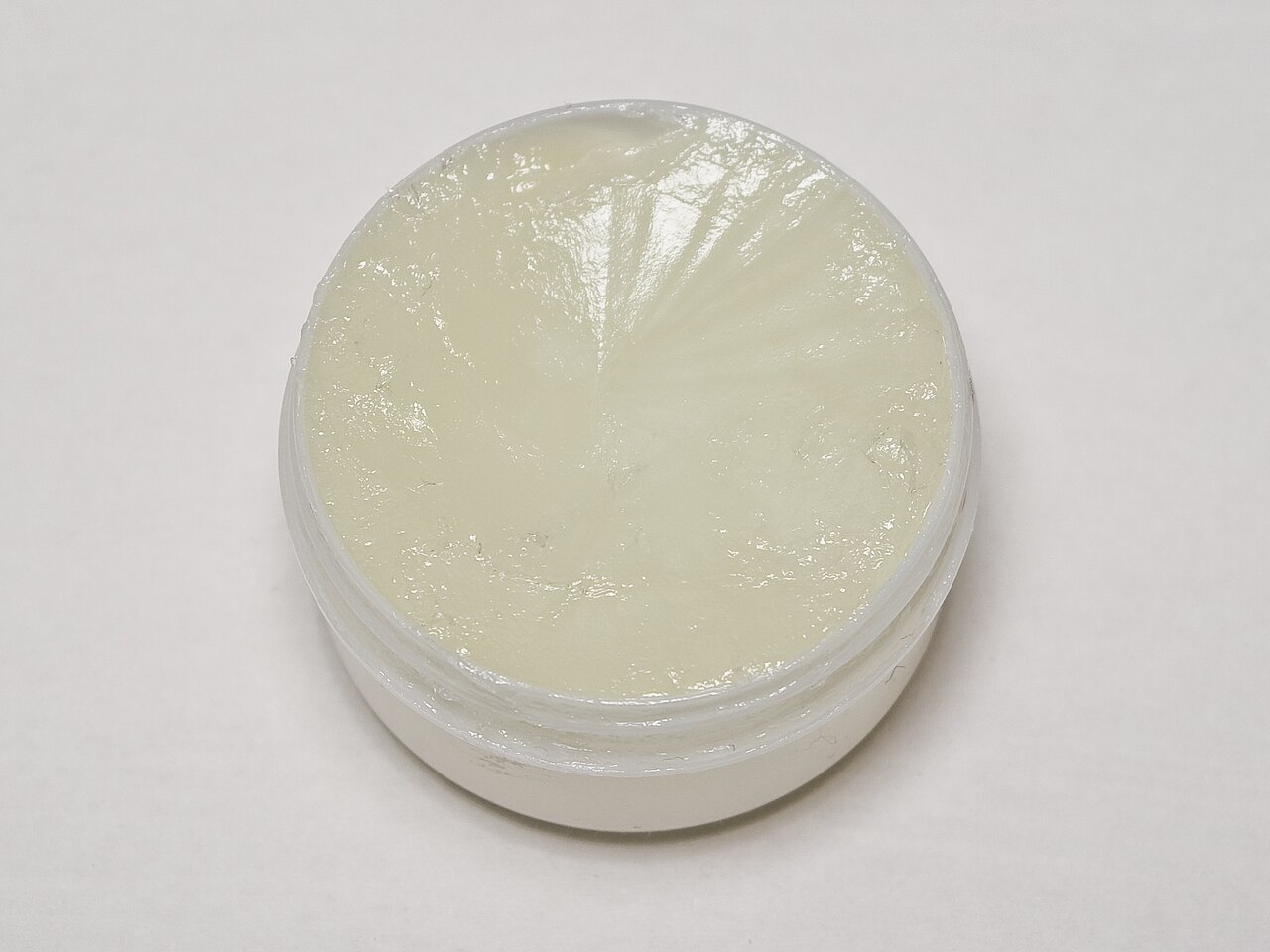
How moisturizers work
Most moisturizers act by one or more of three mechanisms: humectants attract and hold water, emollients fill gaps between skin cells to smooth and soften, and occlusives create a film that reduces transepidermal water loss. Together these actions help the stratum corneum retain moisture, which in turn affects flexibility, barrier integrity and appearance. More on the skin barrier is available via skin barrier references.
Common ingredients and categories
- Humectants: glycerin, hyaluronic acid, urea — draw water into the outer skin layers.
- Emollients: plant oils, esters and fatty alcohols — smooth rough skin.
- Occlusives: petrolatum, silicones, lanolin — reduce evaporation.
- Barrier lipids: ceramides, cholesterol and fatty acids — help restore natural lipid matrix.
Ingredients are often combined to balance immediate feel with longer-term hydration; product composition details can be checked through ingredient guides such as ingredient databases.
Product types and uses
Formulations vary by intended use: lightweight lotions and gels suit oily or acne-prone skin, creams and ointments are preferred for very dry or compromised skin, and specialized night creams or body butters provide heavier conditioning. Facial moisturizers may combine additional actives such as antioxidants or sunscreen. For consumer guidance see product guides.
History and practical notes
Humans have used oils and fats for skin care for millennia; modern cosmetic chemistry expanded available ingredients and delivery systems in the 20th century. Choosing a moisturizer depends on skin type, climate and any dermatologic conditions such as eczema or rosacea. Patch testing is advisable for sensitive skin because fragrances and preservatives can cause irritation. Clinical and safety information can be consulted at clinical sources and regulatory or consumer pages.
In short, moisturizers are a versatile category of topical products whose main role is to support hydration and barrier function. Proper selection and consistent use can reduce dryness, improve comfort and complement other skin-care treatments.
Related articles
Author
AlegsaOnline.com Moisturizer (skin-care product) Leandro Alegsa
URL: https://en.alegsaonline.com/art/65818
Sources
- health.harvard.edu : "Moisturizers: Do they work? - Harvard Health"
- ncbi.nlm.nih.gov : "Moisturizing Different Racial Skin Types"
- worldcat.org : 1941-2789
- ncbi.nlm.nih.gov : 4086530
- pubmed.ncbi.nlm.nih.gov : 25013536