
Dress: definition, parts, history, styles and social uses
An overview of the dress as a one-piece garment: definition, components, historical development, common styles, occasions, and cultural notes on use and variation.
Overview
A dress is a one-piece garment that typically combines a skirt with an attached bodice to form a single outfit for the wearer. It is one of the fundamental items of women's clothing in many parts of the world and may also be called a frock or a gown. Different languages and cultures use specific names for particular forms, but the common idea is a continuous silhouette that covers the torso and hangs into a skirt section. For a general context of garments and clothing categories, see related clothing concepts.
Image gallery
10 Images



Structure and characteristics
Most dresses are built from two principal parts: a top portion that fits the torso and a lower portion that drapes as a skirt. The top is often called the bodice and can be shaped by darts, seams, or panels to fit the bust and waist; see bodice. The lower section is normally referred to as the skirt and varies widely in length and fullness; see skirt. Other common features include sleeves, necklines, waistlines (natural, empire, dropped), hems, linings and fastenings such as zippers, buttons or hooks.
History and development
Dresses have a long history and have evolved with social customs, technology and available materials. In many preindustrial societies, garments were constructed from a few pieces of cloth; later tailoring produced more fitted bodices and varied silhouettes. The industrial revolution and the rise of ready-to-wear manufacturing made dresses more accessible. Over the 19th and 20th centuries, shapes shifted repeatedly—from full skirts and corseted waists to the simpler lines of the 1920s flapper, mid-century fitted styles, and the diverse fashions of the late 20th and early 21st centuries. In some regions dresses are commonly worn instead of a separate skirt and blouse or paired alternatives, and in others they are chosen as an alternative to trousers or pant styles.
Types and occasions
Dresses are classified by cut, length and purpose. Typical categories include:
- Sundress / casual — lightweight, informal daywear.
- Cocktail — mid-length dress for semi-formal events.
- Evening gown — long, formal attire for receptions and theatre.
- Sheath, A-line, shift, empire — silhouettes defined by waistline and skirt shape.
- Wedding dress — ceremonial gowns used in nuptial ceremonies; see wedding attire.
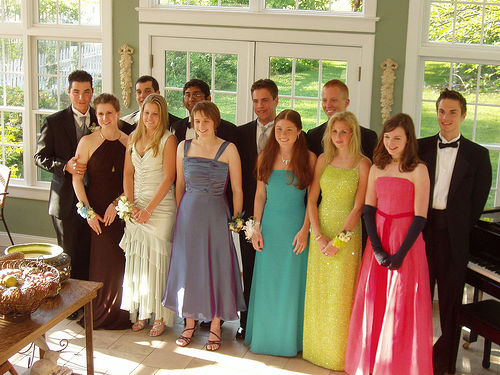
- Ball and prom dresses — styles selected for formal dances and social dances; see dance fashions.
Uses, cultural notes and distinctions
Dresses serve practical, aesthetic and symbolic functions. They can indicate social status, follow religious or cultural norms, or simply reflect personal taste. Length and style choices often vary with age, occasion and climate—shorter hemlines may be favored for youthful or warm-weather wear, while longer styles are common for formal or conservative settings. Contemporary fashion also sees dresses reinterpreted across gender lines and adapted for accessibility and sustainability. The garment’s flexibility—ranging from utilitarian everyday pieces to highly decorated ceremonial gowns—helps explain its enduring presence in wardrobes worldwide.
For further reading on related garments and terminology see alternative names and comparative references at general clothing resources.
Related articles
Author
AlegsaOnline.com Dress: definition, parts, history, styles and social uses Leandro Alegsa
URL: https://en.alegsaonline.com/art/28930