
Trousers: design, history, styles, and cultural significance
Lower-body garment with separate leg coverings. Explains parts, history, common styles, social uses, and regional names such as "pants" in some English-speaking countries.
Overview
Trousers are garments designed to cover the lower body with two separate leg sections, distinguishing them from single-panel garments such as skirts and dresses. In many varieties of English they are also called "pants"; this usage is common in places like Canada and the United States and appears in other English-speaking regions. As a category of clothing, trousers range from casual to highly formal and are worn across ages, occupations, and cultures.
Image gallery
10 Images



Parts and construction
Typical trousers have several identifiable components and fastening methods. They are usually worn at the waist or hips and can be supported by a belt or by suspenders.
- Waistband: encircles the body at the waist or hips; adjustable or fixed (worn at the waist or hips).
- Fly or closure: zipper, buttons, or drawstring that open the front.
- Crotch and rise: determine comfort and fit between the legs.
- Legs: cut straight, tapered, flared, or fitted to produce different silhouettes.
- Fastening accessories: belts (belt) or braces (braces) to hold trousers in place.
History and development
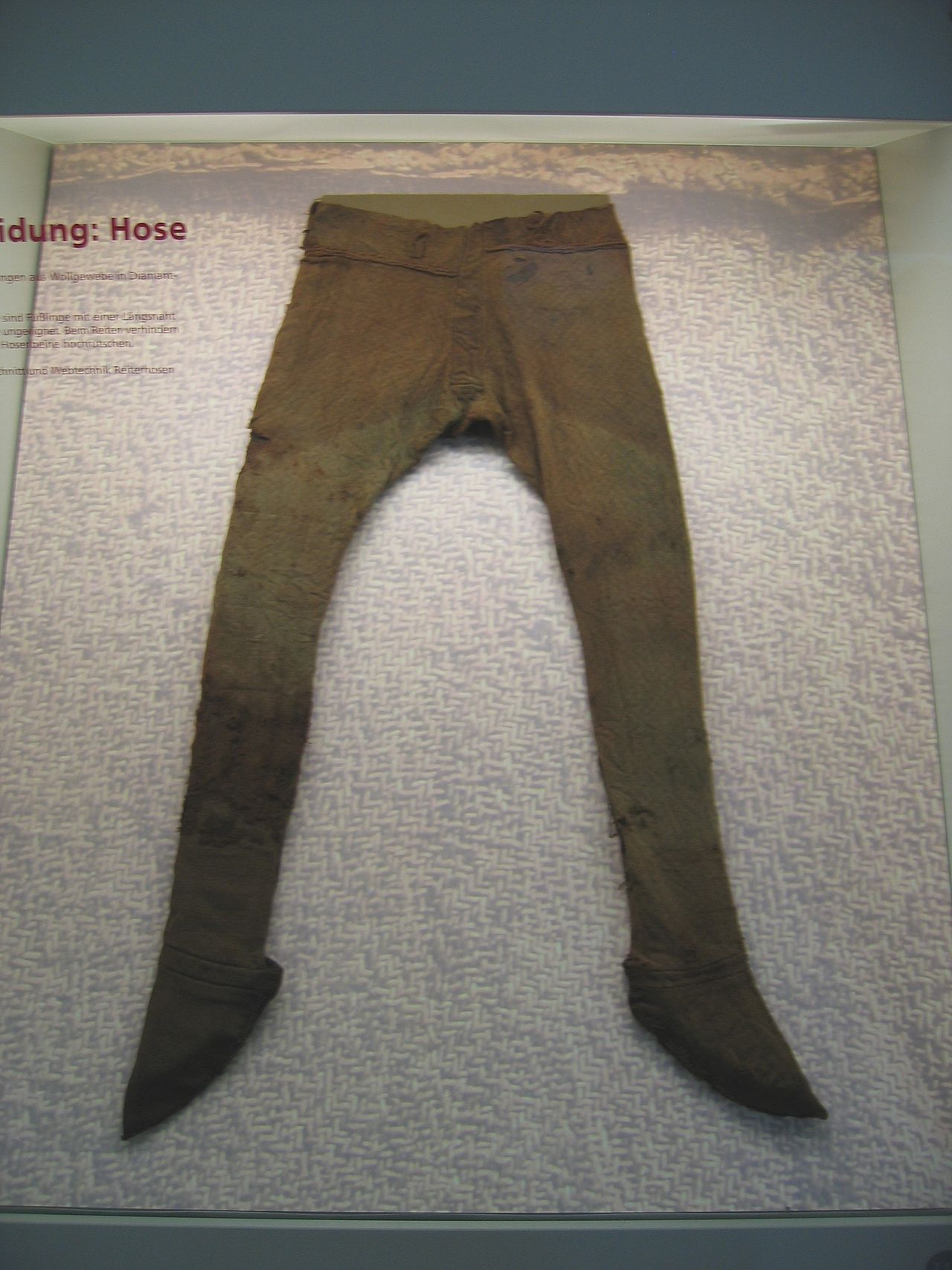
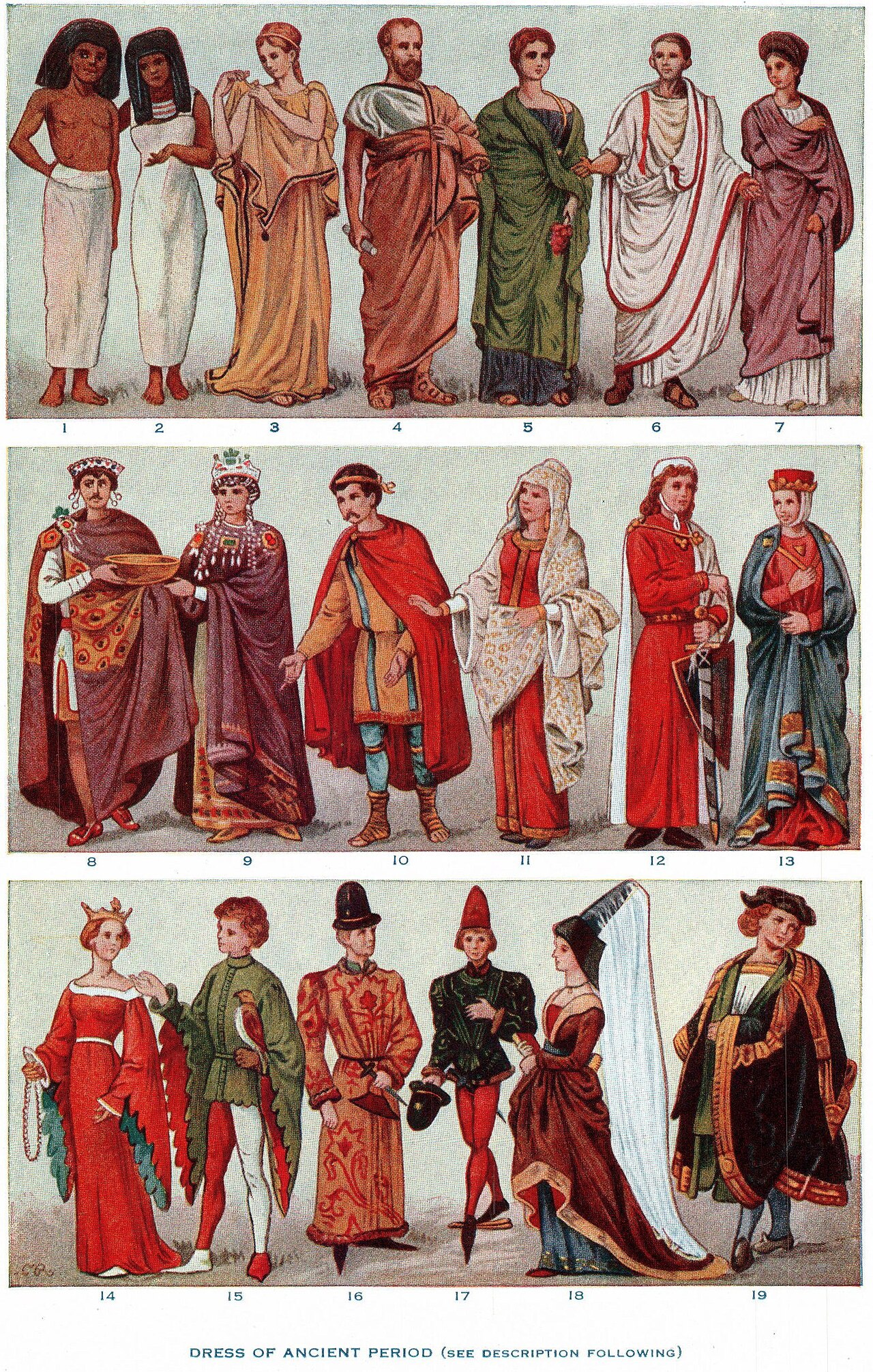
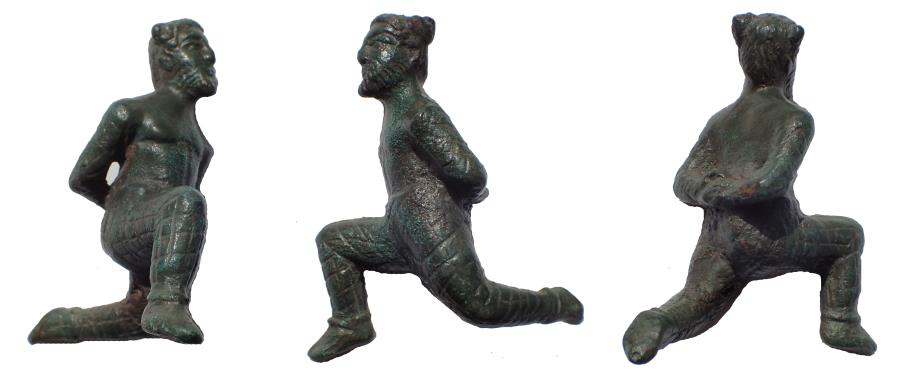
Practical garments separating the legs appear in archaeological and historical records among horse-riding and nomadic peoples, where freedom of movement and protection were important. In the European West trousers became common male attire by the early modern period and gradually diversified in cut and function. From the 19th century onward, changing social roles and fashion led to wider adoption by women, especially in contexts requiring mobility or a less restrictive silhouette.
Styles, uses, and cultural notes
Styles include jeans, chinos, dress trousers, cargo pants, breeches, and athletic leggings. Uses range from workwear and uniforms to formal evening attire; materials vary from denim and wool to technical synthetics. Trousers also carry cultural and social meanings: they can signal profession, social class, or gender norms, and their acceptance in different settings has evolved with broader changes in dress codes and civil rights.
Care, fit, and modern trends
Fit and tailoring remain central to how trousers are perceived: a good fit balances comfort and appearance, while alterations can adapt off-the-rack garments. Contemporary trends emphasize a wider spectrum of silhouettes and materials, including stretch fabrics for comfort and hybrid designs bridging athletic and everyday wear. Despite regional and historical differences, trousers remain one of the most flexible and widely used forms of lower-body clothing.
For further reading on related garments and terminology, see entries on regional names, clothing types, and specific styles like jeans and breeches.
Related articles
Author
AlegsaOnline.com Trousers: design, history, styles, and cultural significance Leandro Alegsa
URL: https://en.alegsaonline.com/art/101754