
Blouse (women's garment)
A blouse is a loose-fitting upper garment for women, made in many fabrics and styles. Worn for casual, professional, and formal occasions, it differs from a shirt in cut, detailing, and cultural meanings.
Overview
A blouse is a loose-fitting upper-body garment traditionally associated with women's fashion. It usually covers the torso and may extend to the waist or hips. Blouses appear in a wide range of silhouettes, from boxy tunics to fitted, tailored styles. For general background and definitions see blouse.
Image gallery
9 Images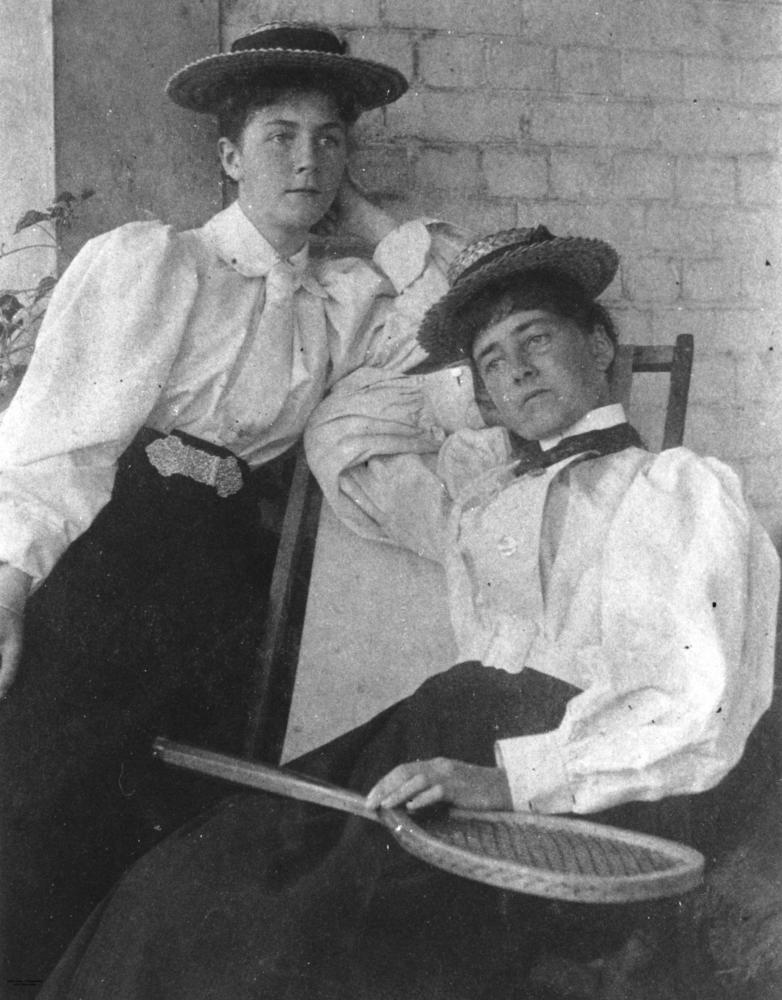
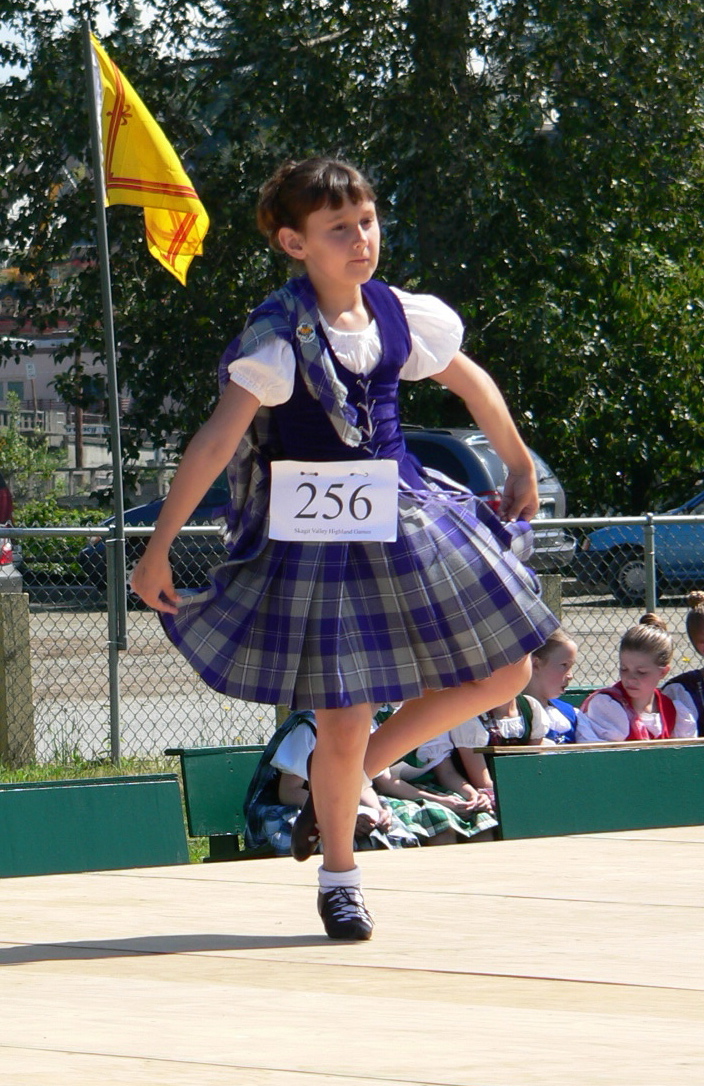


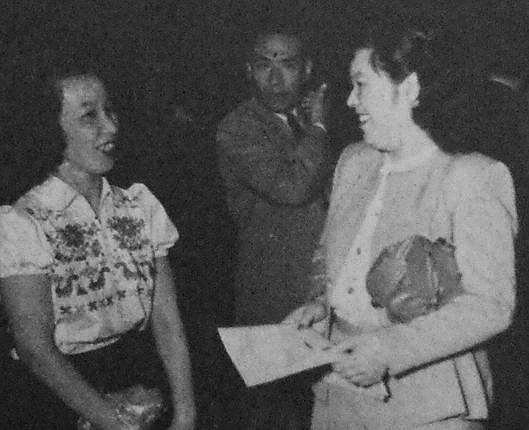
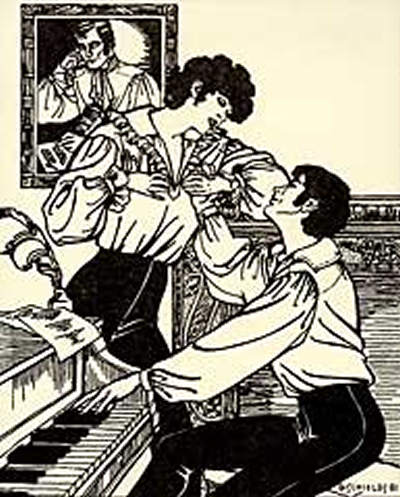

Characteristics and common parts
Blouses are defined less by a single template than by a set of common features and construction details. Typical elements include collars, button plackets, cuffs, yokes, darts or gathers at the bust, and a variety of sleeve types (sleeveless, cap, short, three-quarter, long, puff or bishop sleeves). Fabrics range from cotton and linen to silk, chiffon, crepe, and synthetic blends. Decorative techniques — such as pleating, lace insertion, embroidery, ruffles, or pintucks — help distinguish blouses from more utilitarian shirts.
History and development
The word "blouse" originally referred to a loose smock or workshirt worn by laborers; over time the term shifted as fashion evolved. In the late 19th and early 20th centuries the garment was adapted into women’s wardrobes with a greater variety of fabrics and decorative details, becoming a staple of daywear and office attire. Since then, design has continually responded to changing social roles and aesthetic trends.
Uses, styling and care
Blouses are versatile: lightweight blouses are common for casual wear, crisp cotton or silk blouses are typical in business settings, and embellished or sheer versions are used for evening wear. They pair with skirts, trousers, jeans, and suits. Care depends on fabric — many cotton and poly blends tolerate machine washing, while delicate silks and heavily embellished pieces may require hand washing or dry cleaning; ironing and steaming are often used to restore shape.
Variations and regional meanings
Across cultures the term may denote different garments. For example, in South Asia a "blouse" often refers to the fitted top (choli) worn under a sari, which differs considerably from Western blouses in cut and purpose. Designers also label tunics, chemisiers, peasant tops, and wrap tops as types of blouses when they serve the same role in an outfit.
Distinctions and notable facts
Compared with a men's dress shirt, blouses typically use softer fabrics, looser or more varied shaping, and decorative details. They occupy a broad place in modern wardrobes because their forms can signal casual comfort, professional polish, or formal femininity depending on material and tailoring.
Related articles
Author
AlegsaOnline.com Blouse (women's garment) Leandro Alegsa
URL: https://en.alegsaonline.com/art/12309