
Drastamat Kanayan (Dro): Armenian military leader and political figure
Drastamat "Dro" Kanayan (1884–1956) was an Armenian military commander and politician, active in the First Republic of Armenia, the Armenian national movement, and later a controversial organizer of the Armenian Legion.
Drastamat Kanayan, commonly known by the nom de guerre "Dro," was a prominent Armenian military leader and political figure born on May 31, 1884, in Iğdır, then part of the Surmalu district of the Russian Empire. He emerged as a leading member of the Armenian national movement and the Armenian Revolutionary Federation (ARF) and combined military command with party and governmental roles during a turbulent period for the Armenian people.
Image gallery
9 Images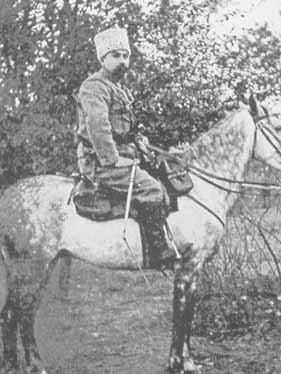



Overview and characteristics
Kanayan was both a field commander and a politician whose career spanned the late Ottoman and Russian imperial eras, the brief independence of the First Republic of Armenia, and the decades of exile that followed Sovietization. He is widely described in secondary sources as a revolutionary and military organizer. Contemporary accounts emphasize his role as a disciplinarian commander, a tactical leader in irregular warfare, and later as an émigré statesman attempting to steer Armenian affairs from abroad (politician, revolutionary, general).
Early career and the First Republic
During World War I and its aftermath Kanayan led volunteer formations and took part in defensive campaigns to protect Armenian communities. He served in the government of the First Republic of Armenia in roles connected with national defense and military organization. The republic’s collapse in 1920 forced many Armenian leaders, including Kanayan, into exile where they continued political activity in diaspora centers across the Middle East and Europe.
World War II and the Armenian Legion
In the Second World War Kanayan became associated with the formation of the so-called Armenian Legion, units raised from Soviet Armenian prisoners of war and émigrés and placed under German command. This force is often described in sources as the Armenian Legion of the Wehrmacht, linked to broader wartime structures of the German state. Kanayan and others framed participation as aimed primarily at opposing Soviet control and seeking an independent Armenian homeland, while critics point to the moral and political problems of collaboration with Nazi Germany. The Legion’s legal status, motivations, and outcomes remain subjects of historical debate. References in contemporary documents name it variously and connect it to the armed forces of the period (Armenian Legion, armed forces).
Exile, later life and legacy
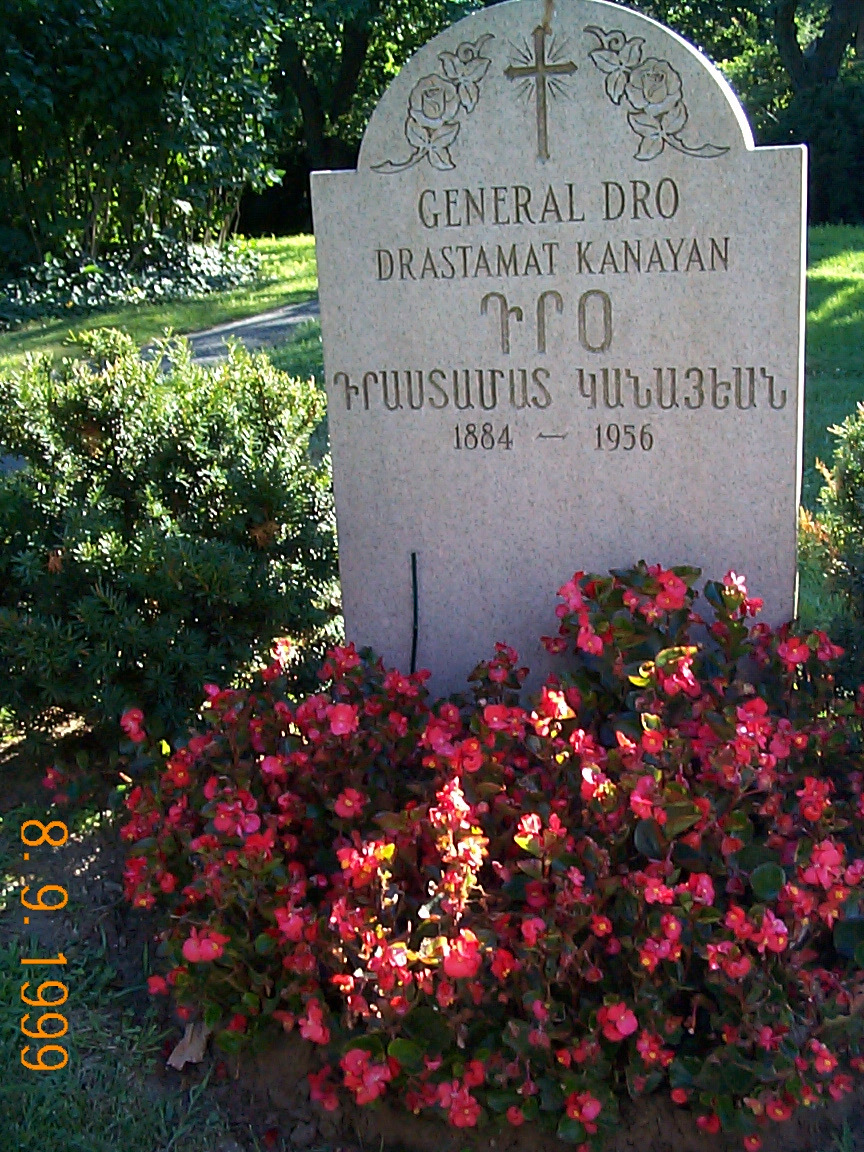
After the war Kanayan was detained by Allied authorities for a period but was not prosecuted for crimes on a large public scale. He resumed a role in diaspora politics, working within Armenian émigré organizations and remaining a controversial figure because of his wartime activities. He died on March 8, 1956, while living in the United States. His life is commemorated by some as that of a national leader and condemned by others for wartime associations, reflecting the complex choices faced by stateless national movements in the 20th century.
Key roles and notable facts
- Birthplace: Iğdır in the former Surmalu district.
- Origins: Born in the Russian imperial period.
- Long-standing involvement with the ARF and Armenian national politics.
- Controversial wartime association with the Wehrmacht and the Armenian Legion.
- Later years spent among the Armenian diaspora, including time in the United States and the Middle East (modern Turkey context figure in his early life).
For a balanced understanding of Kanayan’s career, readers should consult multiple scholarly studies and archival materials that analyze his military record, political choices, and the broader context of Armenian national aspirations during the first half of the 20th century (military, revolutionary, political).
Related articles
Author
AlegsaOnline.com Drastamat Kanayan (Dro): Armenian military leader and political figure Leandro Alegsa
URL: https://en.alegsaonline.com/art/28886