
Dracovenator — Early Jurassic carnivorous dinosaur from southern Africa
Dracovenator regenti, a large Early Jurassic theropod from the Elliot Formation of South Africa; known from fragmentary remains and notable as an early large meat‑eater related to Dilophosaurus.
Overview
Dracovenator (name meaning "dragon hunter") is a genus of bipedal carnivorous dinosaur that lived in what is now southern Africa during the Lower Jurassic. It is known from fragmentary remains and represented by a single named species, Dracovenator regenti. The animal is interpreted as an early large-bodied member of the lineage of meat-eating dinosaurs often grouped with early theropods and shows similarities to the North American genus Dilophosaurus.
Image gallery
10 Images


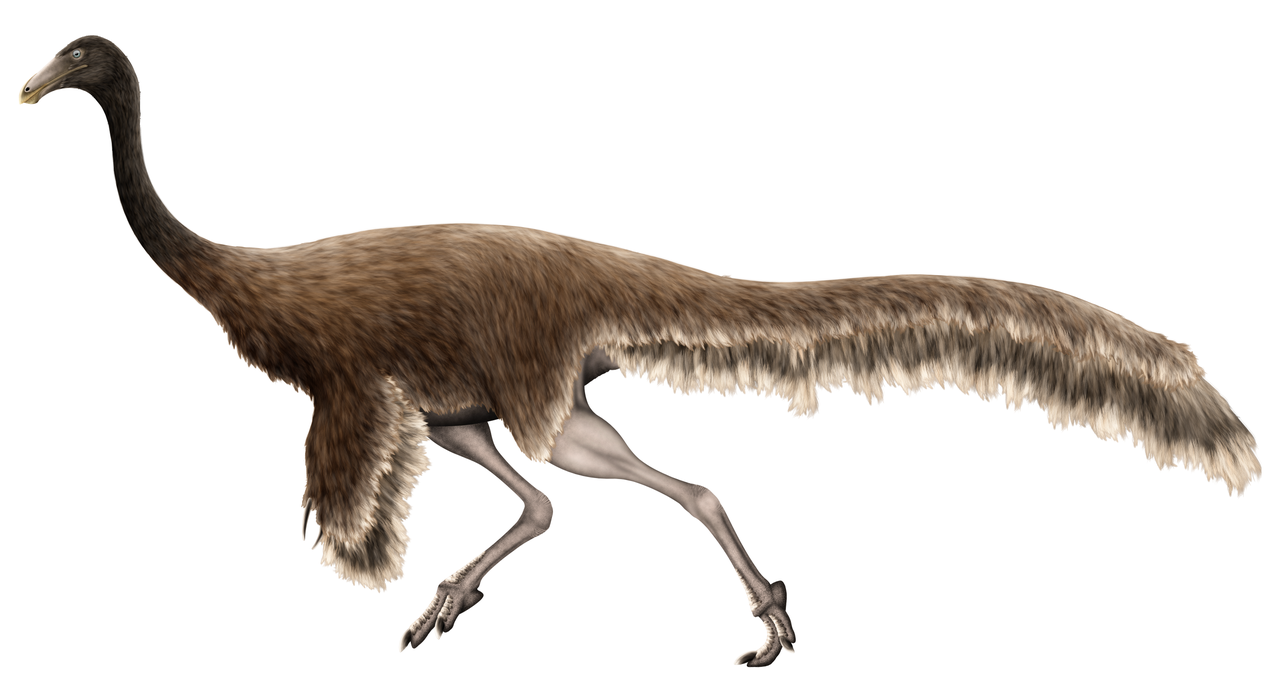
Discovery and fossil material
Specimens attributed to Dracovenator were recovered from the upper part of the Elliot Formation in what is today South Africa. The holotype and referred material include a mix of skeletal fragments rather than a complete skeleton. Described formally in 2006, the known elements provide a partial picture of its anatomy and size.
- Upper jaw bones bearing teeth — important for diet and identification.
- Forelimb elements including a hand claw.
- Axial elements such as back bones (vertebrae) and ribs.
- Pelvic fragments including hip bones and several foot bones.
Physical description and behavior
Dracovenator was a large predatory dinosaur, estimated at roughly 7 metres (about 23 feet) in length. Its skull fragments and teeth indicate a meat‑eating diet, with blade-like teeth suited to slicing flesh. Some researchers have suggested it may have borne paired crests on the skull similar to those of Dilophosaurus, but crest presence is not preserved unambiguously in the available fossils. As a bipedal carnivore it likely hunted or scavenged other vertebrates in its environment.
Classification and relationships
In broad terms, Dracovenator is placed among early large theropods. Its anatomical features align it with basal members of the group that includes theropod dinosaurs historically allied to Dilophosaurus and comparable forms from the Early Jurassic of other continents. Because the material is incomplete, its precise family-level placement has been treated with caution in scientific literature.
Geological context and significance
The upper Elliot Formation where Dracovenator was found preserves continental sediments and a mix of early Jurassic plants and animals. Dracovenator is important because it represents one of the first relatively large meat‑eating dinosaurs documented from the Lower Jurassic of Africa. This helps fill a gap in the record of how large predatory dinosaurs emerged and dispersed following the Triassic–Jurassic transition.
Notable facts and continuing research
The genus was named in the 21st century and remains known from limited material, so new discoveries could clarify details such as skull ornamentation, limb proportions, and precise phylogenetic relationships. Ongoing fieldwork in the Elliot Formation and comparative study with contemporaneous theropods continue to refine our understanding of Dracovenator's biology and its place in Early Jurassic ecosystems.
Related articles
Author
AlegsaOnline.com Dracovenator — Early Jurassic carnivorous dinosaur from southern Africa Leandro Alegsa
URL: https://en.alegsaonline.com/art/28828