
documenta — major quinquennial exhibition of modern and contemporary art
documenta is a leading quinquennial exhibition of modern and contemporary art held in Kassel, Germany, since 1955, known for large-scale curated projects, experimental displays, and international cultural debate.
Overview
documenta is an influential art exhibition held in Kassel, Germany, on a roughly five‑year cycle. Founded in 1955, it was created to reintroduce modern art to a postwar German public and has since grown into one of the world’s most closely watched events for developments in contemporary art. Each edition is organized by a new artistic director or team and unfolds as a curated program of exhibitions, performances, and public projects across multiple venues in and around Kassel. For a general summary, see documenta overview.
Image gallery
4 Images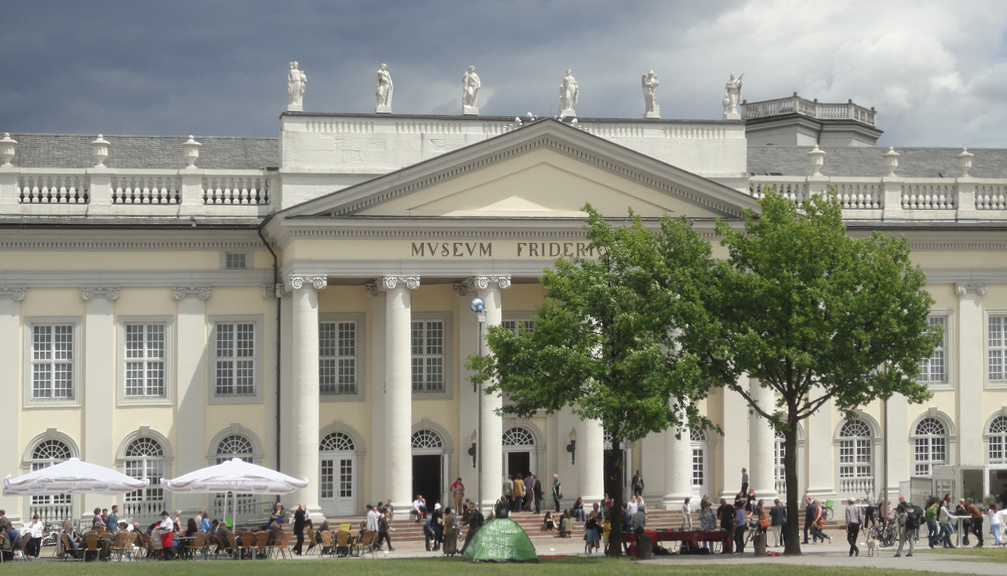


History and development
The first documenta was initiated by Arnold Bode in 1955. Over the decades it has shifted from a retrospective presentation of modernist masters to a platform for experimental, site-specific and politically engaged practices. Notable moments include expanded international participation, thematic editions that connect art to global issues, and occasionally controversial curatorial choices that spark public debate. For background on its origins and past editions, consult historical resources.
Structure, venues and formats
Each edition occupies a range of spaces: traditional museum galleries, large exhibition halls such as the Fridericianum, outdoor sites in Karlsaue Park, repurposed industrial buildings, and unexpected urban locations. The program typically combines large-scale installations, film and performance, archival displays, and educational events intended to engage diverse audiences. Planning and logistics are major undertakings for curators and local organizers; visitor figures often reach into the hundreds of thousands. Practical visitor information is usually posted on the official channels and ticketing pages like visitor information.
Themes, curatorship and significance
documenta is known for thematic curatorship: each edition proposes a conceptual frame that shapes commissions and loans. Directors are chosen to produce a coherent program that may foreground questions of decolonization, labor, ecology, migration or artistic form. The exhibition acts as a barometer of current concerns in contemporary art and can boost the international profile of participating artists and collectives. Read curator statements and critical responses at curatorial statements.
Public impact, criticism and legacy
Its scale and visibility mean documenta often provokes intense discussion about art’s role in society, funding, representation and historical memory. Some editions have been celebrated for opening new conversations; others have prompted debate over selection processes and cultural sensitivities. The event’s recurring presence in Kassel also contributes to local cultural life and tourism. For contemporary analysis and press coverage, see press and analysis.
- Founded: 1955 in Kassel, Germany.
- Frequency: approximately every five years.
- Focus: contemporary and modern art, large-scale curated projects.
- Typical elements: site-specific works, international commissions, public programs.
Related articles
Author
AlegsaOnline.com documenta — major quinquennial exhibition of modern and contemporary art Leandro Alegsa
URL: https://en.alegsaonline.com/art/28145